
24/7 Customer Support

Free returns

Same-day & Next-day Delivery

Quality Guaranteed

Unlock Your Welcome Offers: FREE Delivery | Up to 80% OFF | Free 30-day JoyPlus trial
Download the APP
Finding Asian snacks and sauces in the UK is easier than ever, but a large selection can make it difficult to compare products sensibly. Packaging may highlight words such as “traditional”, “light” or “authentic” without making the details that matter immediately clear.
Before adding items to your basket, watch for three common buying traps:
The right choice depends on how you plan to use it: lunchbox snacking, sharing at a party, gifting, travelling or preparing everyday meals.
Read the ingredient list rather than relying only on the product name. Japanese snacks often use wheat and soy sauce powder, while Korean snacks may contain sesame oil, sesame seeds or chilli seasoning. Chinese snacks can include wheat, soybeans, sulphites and flavour enhancers.
For example, Baby Star Crispy Ramen Snack Original contains wheat and soy, whereas Oishi Pea Snack lists no allergens in the supplied product information. bibigo Crispy Seaweed Snacks Sesame contains sesame and is produced in a facility handling other allergens.
For sauces, check the base ingredient:
Comparing nutrition per 100g gives a more consistent picture than comparing packet fronts. However, portion size still affects everyday choices.
A 45g pack of ADVANCE Honey BBQ Cook Pork provides 146 kcal and 12g protein per stated serving, but also contains 17.1g sugar and 0.8g salt. By contrast, the 15g pack of sesame seaweed is divided into three individual 5g portions, which can make it practical for lunchboxes or controlled serving sizes.
Sauces are usually used in smaller amounts, but their salt content can be concentrated. Haday Superior Taste Oyster Sauce lists 10.9g salt per 100g, while Shinho Soybean Paste lists 10.3g. Use these products as seasonings and adjust the amount according to the dish.
Crisp products lose their appeal quickly when exposed to humidity. Seaweed snacks, ramen snacks, crisps and pretzels should be kept sealed in a cool, dry place and consumed promptly after opening.
Individual packaging can be useful for commuting, office drawers, school lunchboxes and sharing. The 3 x 5g format of bibigo seaweed snacks and the 20 x 18g packs of Yan Jin Pu Zi MOWON Konjac Shreds offer different approaches to portioning.
For refrigerated products, follow the label rather than assuming ambient storage is suitable. The Haday oyster sauce should be refrigerated and consumed promptly after opening. The ADVANCE pork snack also requires refrigeration after opening.
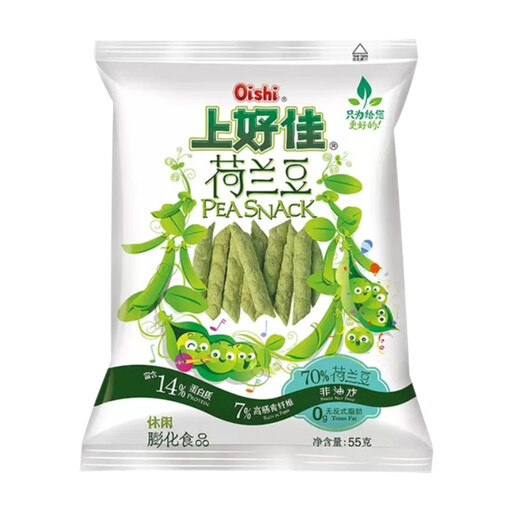
Why This Fits Their Persona: A straightforward ready-to-eat option for shoppers exploring Asian snacks in the UK without committing to a large multipack.
The listed 55g pack size and 70% Dutch pea content make the main ingredient clear, rather than relying only on flavour-led packaging.
Ready to eat; no allergen is listed in the supplied product information; 14g protein per 100g.
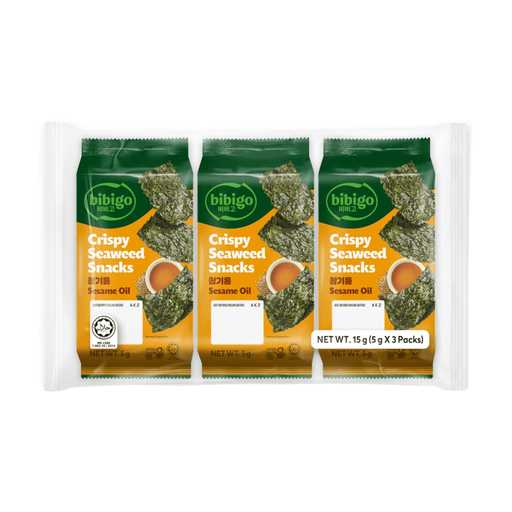
Why This Fits Their Persona: Suitable for shoppers seeking Japanese snacks or Korean snacks with a delicate crunch, sesame aroma and compact individual portions.
Three sealed 5g servings help protect crispness and reduce the need to open the whole 15g quantity at once.
Ready to eat; can also top rice bowls, soups and salads; sesame is clearly identified as an allergen.
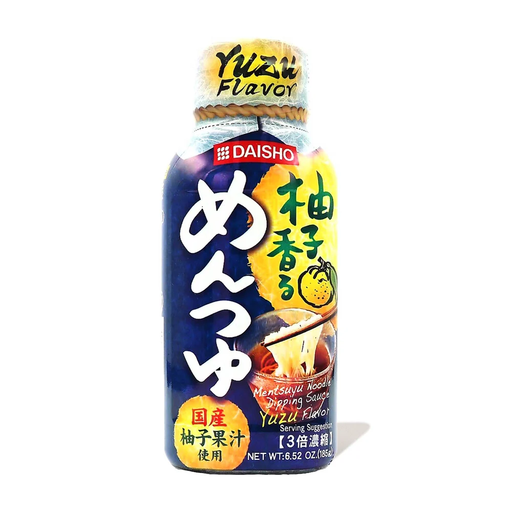
Why This Fits Their Persona: A practical choice for regular home cooks preparing soba, udon, somen, tempura or cold dishes.
The product is labelled as 3x concentrated, with a clear dilution instruction of one part sauce to two parts water.
Yuzu and sudachi juices add citrus notes; suitable for dipping, seasoning and noodle dishes; refrigerate after opening.
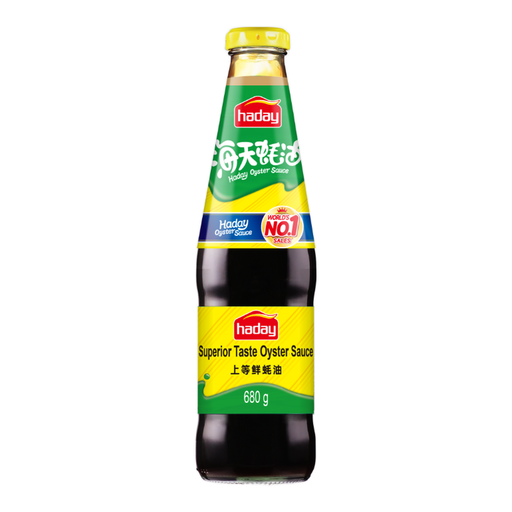
Why This Fits Their Persona: The larger bottle suits households that regularly cook stir-fries, noodles, marinades, glazes and braised dishes.
Its use is clearly defined as a seasoning, and the label identifies wheat and molluscs, helping shoppers screen for allergens before purchase.
680g quantity; oyster extract in the ingredients; thick sauce designed to coat ingredients; refrigerate after opening.
We have compiled a complete, real-time list of products that fully satisfy these strict selection criteria and UK safety regulations.
Common choices include Japanese snacks, Korean seaweed products, Chinese ramen snacks, prawn crackers, pork snacks, crisps and pretzels. For something less familiar, konjac snacks, dried tofu and jellyfish strips offer different textures and flavour profiles. Check the ingredients and allergen information before serving guests or children.
Follow the product label. Many concentrated sauces, including soybean paste, oyster sauce and noodle dipping sauce, should be refrigerated after opening. Keep the lid or seal clean and use a clean utensil to reduce contamination. Always check the best-before information and discard products if the packaging is damaged or the contents develop an unusual odour.
Individually packed seaweed snacks, konjac snacks and small ramen portions are convenient for lunchboxes, travel and office breaks. For parties, larger sharing bags of prawn crackers, crisps and pretzels are easier to serve. Keep allergen labels visible when offering products containing soybeans, wheat, sesame, eggs, milk or crustaceans.