
24/7 Customer Support

Free returns

Same-day & Next-day Delivery

Quality Guaranteed

Unlock Your Welcome Offers: FREE Delivery | Up to 80% OFF | Free 30-day JoyPlus trial
Download the APP
From the comforting chew of mochi to the celebratory richness of mooncakes, the world of Asian snacks offers a delightful journey of flavours and textures. However, navigating the online marketplace to find authentic, high-quality treats in the UK can be tricky. Many find themselves disappointed by snacks that fail to live up to their promise, whether it's a flavour that falls flat or a texture that’s gone stale.
As a Joybuy Product Recommendation Officer, my role is to help you sidestep these common issues. This guide will highlight a few frequent pitfalls and provide clear parameters for selecting delicious and satisfying Asian snacks, pastries and desserts every time.
To avoid these problems, focus on a few key details that indicate quality and authenticity. Understanding these can transform your shopping experience from a gamble to a guarantee of enjoyment.
Not all Asian pastries are the same, and knowing what to expect is crucial. The texture is often just as important as the flavour.
The ingredients list is your most reliable guide to a product's true flavour.
For multi-packs of snacks, individual wrapping is a significant advantage. It keeps each piece fresh, protecting it from air and moisture that cause staleness. This is particularly important for soft cakes like dorayaki, cream-filled pies and flaky pastries, ensuring the last one you eat is as fresh as the first.
Based on these criteria, here are a few recommendations matched to different tastes and occasions.
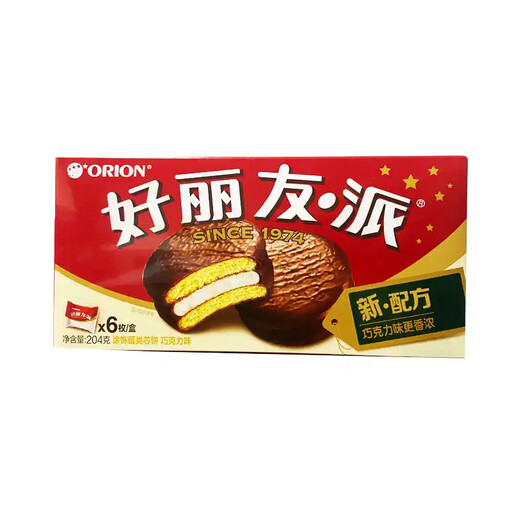
Why This Fits Their Persona: For many in the East Asian diaspora, the Orion Choco Pie is a classic taste of childhood. It offers a reliable and comforting combination of soft cake, marshmallow and a chocolate-flavoured coating that is instantly recognisable and satisfying.
This avoids the "authentic flavour disappointment" by being a globally recognised product with a highly consistent taste. You know exactly what you are getting. The individual wrapping also prevents the texture from degrading.
Individually wrapped for freshness and on-the-go convenience. The combination of soft cake and chewy marshmallow provides a satisfying textural contrast.
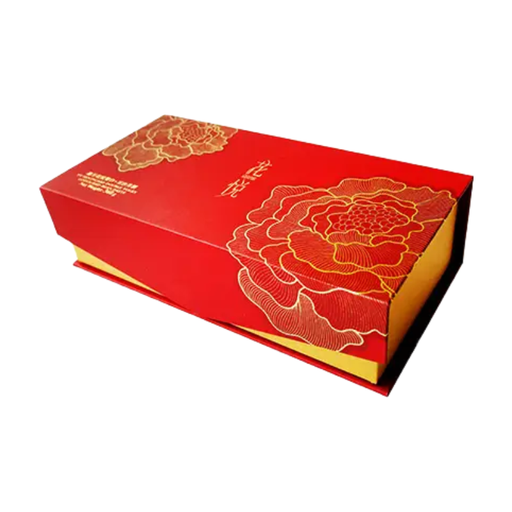
Why This Fits Their Persona: When you need to buy mooncakes in the UK for the Mid-Autumn Festival, presentation and traditional flavour are key. This gift box offers two of the most classic Cantonese flavours, making it a thoughtful and appropriate gift for family, friends or colleagues.
This avoids the "bad festive food" pitfall. The product description specifies high-quality ingredients, such as 12.8% lotus seed and 22.5% red bean content, indicating a focus on authentic, rich fillings rather than just appearance.
Features two classic, crowd-pleasing flavours in an elegant gift box. The dual flavours cater to different preferences, making it ideal for sharing.
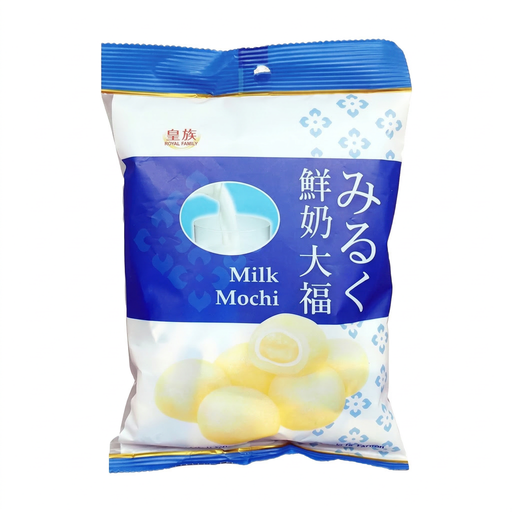
Why This Fits Their Persona: For those new to East Asian sweets and curious about different textures, mochi is an excellent starting point. This milk-flavoured version from a well-regarded brand offers the signature soft, chewy experience with a familiar and creamy taste.
This directly counters the "texture tragedy." Royal Family specialises in mochi, and the use of glutinous rice for the outer skin ensures the authentic soft and springy texture that defines this Japanese snack, preventing a hard or stale experience.
An accessible entry into the world of mochi with its creamy milk flavour. It is ready-to-eat and provides a unique textural experience not found in typical British sweets.
We have compiled a complete, real-time list of products that fully satisfy these strict selection criteria and UK safety regulations.
Always check the packaging for specific storage instructions. As a general rule:
The main difference lies in the crust. Cantonese-style mooncakes, which are more common, have a soft, chewy, golden-brown baked crust, similar to a dense pastry. They are typically filled with rich, sweet pastes like lotus seed or red bean. Suzhou-style mooncakes are known for their delicate, layered and very flaky pastry crust that is pale in colour and crumbles easily. Their fillings can be either sweet or savoury.
It varies greatly. Many traditional Asian desserts, particularly those using red bean, mung bean or taro paste, have a more subtle, earthy sweetness compared to the sugar-forward profile of many British cakes and puddings. However, many modern Korean snacks and confectionery items can be quite sweet. The best approach is to check the "of which sugars" value in the nutritional information on the product page to get a clearer idea.