
24/7 Customer Support

Free returns

Same-day & Next-day Delivery

Quality Guaranteed

Unlock Your Welcome Offers: FREE Delivery | Up to 80% OFF | Free 30-day JoyPlus trial
Download the APP
Asian snacks offer far more variety than standard crisps and biscuits, from chewy tofu snacks and konjac bites to roasted seaweed, prawn crackers and chilli-seasoned potato crisps. However, attractive packaging and unfamiliar flavour names can make it difficult to compare products sensibly.
Whether you are building a sharing platter, filling a lunchbox or looking for ready-to-eat snacks for a commute, a few checks can help you avoid unsuitable purchases.
Individual portions are useful for work, school or travel, but the total quantity may be less than expected. A box labelled “20 packs” could contain only 18g per portion, while a single 100g bag may offer more food for sharing. Always compare the total net quantity, not only the number of packets.
Multipacks can still be worthwhile when freshness and portion control matter. For example, the Yan Jin Pu Zi konjac snack contains 20 individual 18g packs, while Daechun seaweed is divided into three smaller servings.
Chinese snacks and Korean snacks may be plant-based but still contain wheat, soya, sesame, peanuts or fish-derived seasonings. Vegetarian beef-style snacks often use wheat gluten or soya, and some spicy seasonings include fish or seafood ingredients.
Read the full ingredients and allergen statement rather than relying on the front-of-pack description. This is particularly important when buying vegetarian snacks or vegan snacks for a group.
Spicy Asian snacks can vary considerably. A product described as hot may contain chilli, Sichuan pepper, kimchi seasoning or pepper sauces, while a savoury snack labelled “original” may still have a noticeable salt content.
Nutrition panels provide a practical comparison. For instance, some dried tofu products list around 2.4–3.7g of salt per 100g, while the supplied portion sizes are much smaller. Check both the per-100g figure and the amount you expect to eat.
Choose the format that matches how you will eat the product:
For crisp products such as potato crisps, prawn crackers and seaweed snacks, moisture is the main quality concern. Follow the storage instructions and transfer opened products to an airtight container where appropriate.
UK food packaging should identify relevant allergens clearly. Look for bold text or another clear emphasis in the ingredients list. Common allergens across Asian snacks include:
If a product is described as vegan, still check the current packaging before eating, as recipes and manufacturing statements can change.
The base ingredient usually gives a useful indication of the eating experience:
Nutrition information is most useful for comparing similar products. Do not assume that “seaweed”, “konjac” or “plant-based” automatically means low in calories, salt or fat.
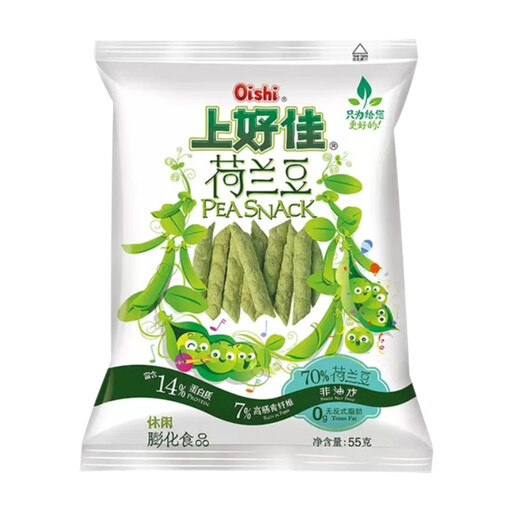
Why This Fits Their Persona: A compact starting point for shoppers exploring savoury snacks without committing to a large multipack. It contains 70% Dutch peas and is ready to eat.
The 55g net quantity is clearly stated, so the pack size is easy to assess before purchase.
Contains 14g protein per 100g and has no listed allergens in the supplied product information.
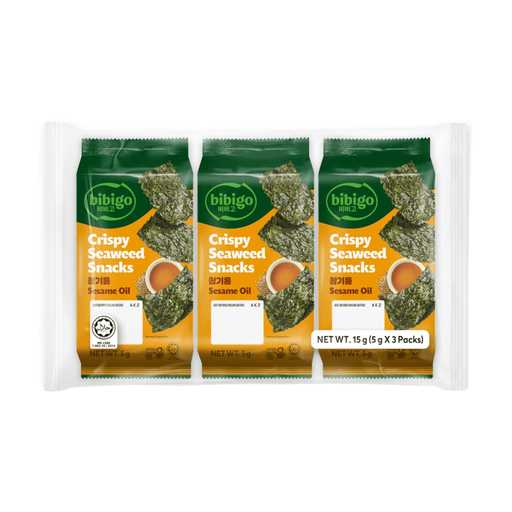
Why This Fits Their Persona: A neat Korean-style option for shoppers who value individually portioned packaging and a light, crisp texture.
Three 5g packs reduce the need to leave one large opened bag exposed to humidity.
Made with seaweed, canola oil, sesame oil and salt; suitable as a snack or topping.
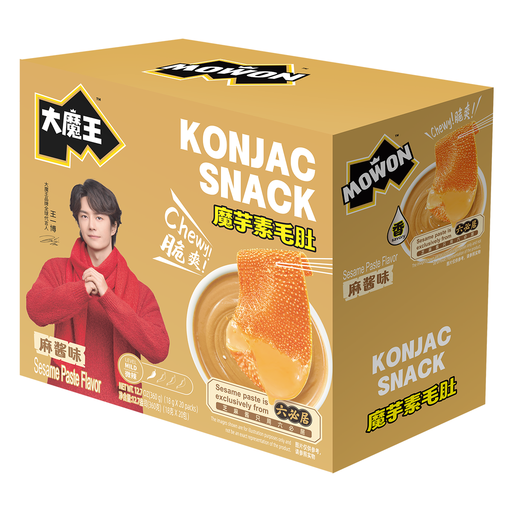
Why This Fits Their Persona: The 20-pack format suits regular snackers, office drawers and households that prefer several small servings.
The total quantity and per-pack size are both specified, making portion and value comparisons more straightforward.
Sesame paste provides a distinct flavour, while the product is ready to eat and individually wrapped.
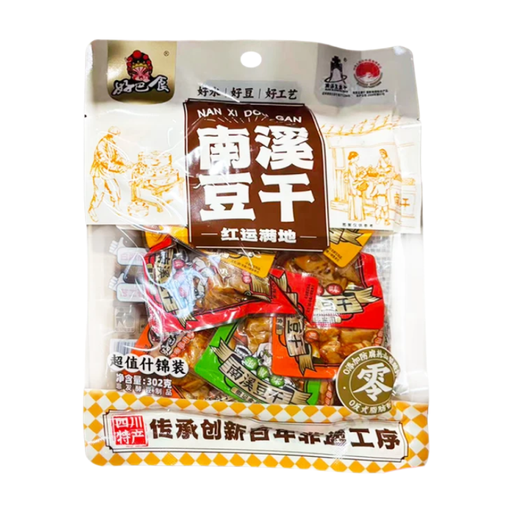
Why This Fits Their Persona: A sharing-friendly Chinese snack for those who want several Sichuan-style flavours, including Spicy Hot, Spicy, Grilled and Pickled Chilli.
The assorted format lets buyers sample four flavours instead of guessing which single seasoning will suit them.
Made with 48% soybeans and supplied ready to eat; contains soya, wheat and sesame.
We have compiled a complete, real-time list of products that fully satisfy these strict selection criteria and UK safety regulations.
Look for products based on peas, seaweed, konjac, tofu or wheat gluten, but check the full ingredients list. Some products contain fish, prawn, egg, milk or animal-derived flavourings. The Wuxianzhai bean curd and Hao Ba Shi tofu products are plant-based in their main ingredients, but they contain soya and, in some cases, wheat or sesame.
Keep unopened snacks in a cool, dry place away from direct sunlight. Reseal crisps, crackers and seaweed promptly to reduce moisture exposure. Individually wrapped tofu and konjac snacks should be consumed soon after opening, following the packaging instructions.
Cost depends on pack size, portion format, ingredients and whether the product is imported. Compare the price per 100g where available, but also consider convenience. A multipack may cost more overall while reducing waste and making lunchbox or on-the-go portions easier to manage.