
24/7 Customer Support

Free returns

Same-day & Next-day Delivery

Quality Guaranteed

Unlock Your Welcome Offers: FREE Delivery | Up to 80% OFF | Free 30-day JoyPlus trial
Download the APP
As a Joybuy Product Recommendation Officer, my role is to help you navigate the crowded aisles of world foods. Crafting an authentic Asian soup at home, whether it's a comforting bowl of ramen or a lively hot pot, should be a rewarding experience. However, the sheer variety of Asian soup base options can be overwhelming, and it's easy to make a purchase you later regret.
Many home cooks in the UK find themselves disappointed by bases that promise authentic flavour but deliver a one-dimensional, overly salty taste. Let's look at the common pitfalls to sidestep and what to look for to ensure your next home-cooked Asian meal is a success.
To avoid disappointment, focus on a few key parameters. Understanding these will help you select a product that genuinely matches the dish you want to create.
The format of the soup base significantly impacts both flavour and preparation time.
"Asian soup" is an incredibly broad term. Pinpointing the regional flavour you're after is crucial.
Instead of a generic list, we've matched some reliable options to the specific needs of different UK home cooks.

Why This Fits Their Persona: This person wants a delicious, restaurant-quality meal without spending hours in the kitchen. This liquid concentrate delivers the flavour of a famous ramen chain's tonkotsu broth, making it perfect for a quick but impressive ramen or hot pot dinner after a long day.
It sidesteps the "authentic flavour" trap by leveraging the recipe of a well-known ramen brand, ensuring a complex and recognisable taste profile beyond just salt and MSG.
Delivers a rich, creamy pork-style broth in minutes. The 750g pack is ideal for a family meal or multiple servings.
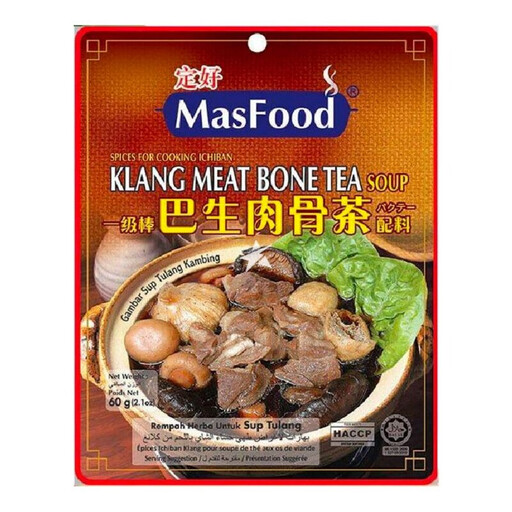
Why This Fits Their Persona: This cook wants to recreate a specific, traditional dish with authentic flavour. This whole-herb bak kut teh spice mix is for someone who values the process and the deep, aromatic results of simmering real spices over the instant convenience of a powder.
By providing whole, identifiable herbs like Chinese Angelica and Szechwan Lovage Rhizome, it avoids the one-dimensional flavour trap, creating a genuinely complex and fragrant broth.
Delivers an authentic, deeply aromatic herbal flavour that is difficult to achieve otherwise. The included filter bag makes for a mess-free simmering process.
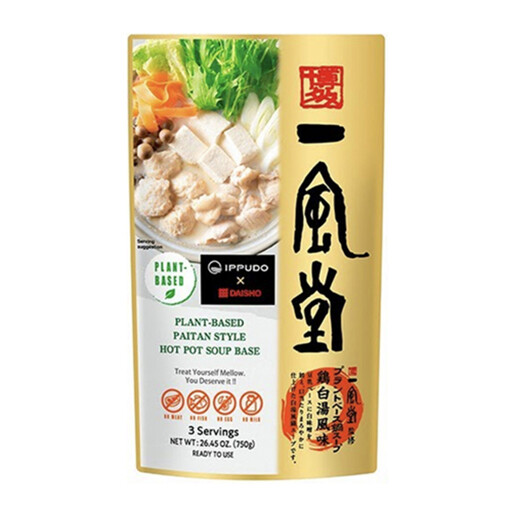
Why This Fits Their Persona: This person is looking for rich, savoury Asian flavours without animal products. This base provides the creamy texture and umami depth of a traditional 'paitan' broth, making it an ideal foundation for satisfying vegan ramen or hot pot.
It avoids the "hidden ingredients" trap by being explicitly labelled as a plant-based ramen base. The clear ingredients list shows that its creamy texture comes from soy milk and vegetable extracts, not undeclared animal products.
Achieves a rich, creamy 'paitan' style broth using a soy milk base. It's a convenient and flavourful solution for high-quality vegan Japanese dishes.
We have compiled a complete, real-time list of products that fully satisfy these strict selection criteria and UK safety regulations.
This varies significantly, so always check the packaging for instructions. Highly concentrated pastes may require a dilution ratio of 1 part base to 10 parts water. Powders often have instructions per litre of water. Whole spice packs, like those for bak kut teh, typically need a larger volume of water (e.g., 1.5-2 litres) to allow the flavours to infuse during a long simmer.
You can, but it's not always a direct substitute. A milder hot pot soup base, such as tomato or mushroom, can work well for a quick noodle soup. However, a very strong base like a Sichuan mala soup base will likely be too oily and intense for a single serving of ramen. A dedicated ramen soup base is formulated to have the right balance of salt, fat and flavour for coating noodles.
Dry formats like powders and whole spices have a long shelf life if stored in a cool, dry place away from moisture. For liquid and paste concentrates, once the seal is broken, they should be refrigerated and are typically best used within 3 to 7 days to ensure optimal flavour and food safety.