
24/7 Customer Support

Free returns

Same-day & Next-day Delivery

Quality Guaranteed

Unlock Your Welcome Offers: FREE Delivery | Up to 80% OFF | Free 30-day JoyPlus trial
Download the APP
Preparing ramen, hot pot, wonton soup or a weekday stew does not always require hours of simmering. Asian soup bases and stock seasonings can provide a convenient starting point, but the wide choice of powders, sachets, pouches and stock pots makes it easy to buy the wrong format or overlook important label details.
This guide focuses on practical selection rather than marketing language, helping UK home cooks, students, busy families and halal shoppers choose a product suited to their kitchen.
A large pack may appear better value, but it is only economical if you use the product regularly and can store it correctly. A 1kg chicken powder is suitable for frequent cooking, food preparation or larger households. For occasional ramen or wonton soup, smaller sachets may reduce waste and keep flavours fresher after opening.
Always compare the recommended dilution ratio, not just the net weight. One product may make 500ml of broth, while another is designed for a much larger pot.
Chicken-style flavour does not necessarily provide the same ingredient profile as a simple chicken stock. Some products contain flavourings, yeast extract, soy, wheat, sesame or other allergens. Likewise, a plant-based product may contain soy and gluten through soy sauce or wheat-based ingredients.
Halal shoppers should look for a clearly stated halal status or certification on the current packaging. The Nan De Halal Chicken Stock Seasoning is specifically presented as halal, but buyers should still check the pack at the point of purchase for the latest certification and allergen information.
A Chinese soup base, Japanese soup base or hot pot soup base often needs dilution before cooking. Using the full concentrate without water can create an overly salty or intense broth. Conversely, adding too much water may leave noodles, vegetables or meat lacking flavour.
Follow the instructions first, then adjust gradually with water, unsalted stock or additional ingredients.
Select the base according to the meal you normally cook:
Stock seasonings can contain substantial salt. For example, the listed nutritional information for Nan De Halal Chicken Stock Seasoning gives 66.25g salt per 100g, while Shimaya Kombu Dashi Powder lists approximately 38g per 100g. These figures are for the product before dilution, but they still make portion control important.
Check bold allergen declarations for soybeans, wheat, sesame, fish, crustaceans, molluscs, celery, milk and sulphites. Products containing dried herbs or traditional ingredients may also carry “may contain” warnings. Store powders in a cool, dry place with the package sealed. Opened liquid products require closer attention to refrigeration and use-by guidance.
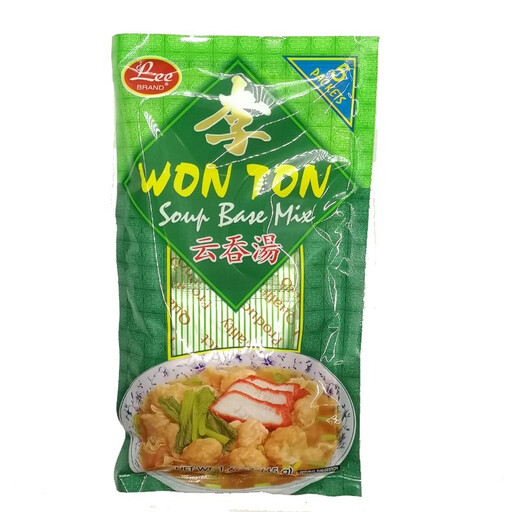
Why This Fits Their Persona: The small packet format suits students, first-time buyers and UK households wanting to prepare wonton soup or noodles without committing to a large container.
The stated sachet-to-water ratio makes portioning clearer than estimating from a large tub.
Dry 45g format; suitable for wontons, ramen or egg noodles. Contains soybeans and sesame, so check the label.
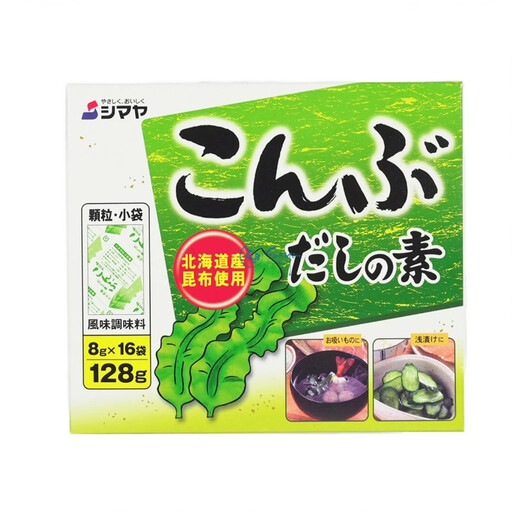
Why This Fits Their Persona: A useful choice for cooks building Japanese flavours into miso soup, noodle dishes, simmered vegetables and sauces.
The pack contains 16 individual 8g sachets, reducing exposure to moisture and helping with consistent portions.
One sachet is listed for approximately 500ml of hot water; contains kombu and bonito ingredients. Fish and possible soy or wheat traces are declared.
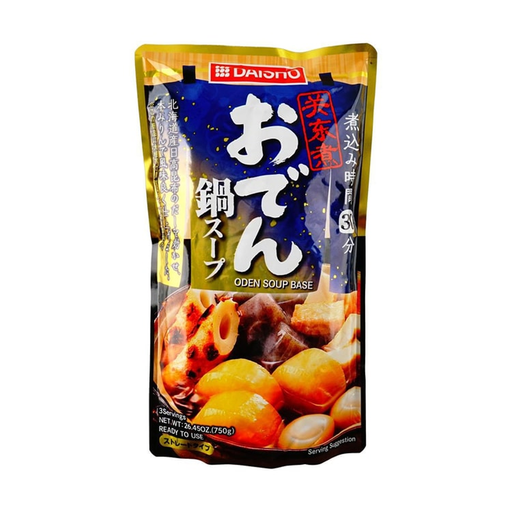
Why This Fits Their Persona: Designed for shared meals, this liquid base is suited to households preparing oden with daikon, tofu, fish balls or konjac.
The listed 1:10 dilution guidance helps prevent using the concentrate undiluted in a large cooking pot.
750g liquid format; bonito, fish and kombu ingredients; suitable for a 30–60-minute oden simmer. Contains fish, soy and wheat.
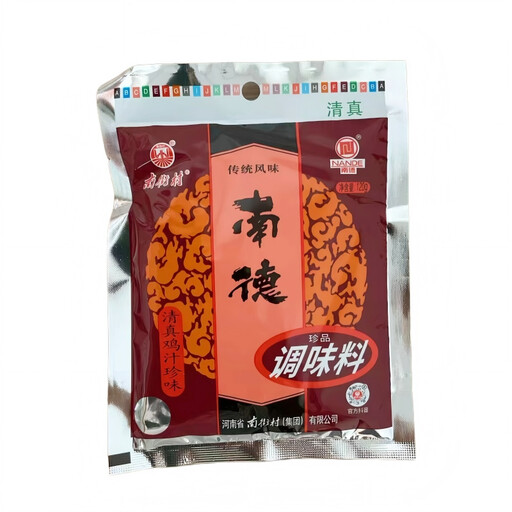
Why This Fits Their Persona: Its powder format can be added to soup, noodles, stir-fries, salads, marinades and fillings, making it practical for regular family cooking.
The product information identifies it as halal and provides usage instructions across several cooking methods. Check the packaging before use.
120g resealable-style pantry format; listed allergen information states none, subject to current packaging.
We have compiled a complete, real-time list of products that fully satisfy these strict selection criteria and UK safety regulations.
For a spicy shared meal, Shoo Loong Kan Qiaojiao Beef Red Soup Base combines a powder sachet with an oil sachet and is specified for approximately 2,500g of water. It contains soybean and Sichuan pepper, so check dietary requirements.
For Malaysian cooking, Masfood Klang Meat Bone Tea Soup provides a filter-bag bak kut teh spice mix containing herbs and spices. Its packaging warns that traces of crustaceans, fish, soya and gluten may be present.
For Western-style everyday cooking, Knorr Rich Beef Stock Pots and Knorr 8 Vegetable Stock Pots offer portioned alternatives for stews, sauces, pies, soups and vegetarian dishes. The vegetable option contains celery, while the beef option contains milk and barley malt extract.
Use the manufacturer’s ratio as a starting point. A sachet may make 500ml, while a liquid Japanese soup base may require one part concentrate to ten parts water. Taste only after the base has dissolved and the other ingredients have cooked, then dilute if needed.
Yes, many powders and liquid bases are versatile. Kombu dashi powder can support ramen broth, miso soup and sauces, while chicken seasoning can be mixed into stir-fries, fillings or marinades. Reduce the amount when using it as a dry seasoning rather than a soup.
Dry powders generally keep according to the printed best-before date when sealed and stored away from moisture. Opened liquid bases usually need refrigeration and prompt use. Crayfish stock, for example, is listed with refrigeration after opening and use within five days. Always follow the current packaging instructions.