
24/7 Customer Support

Free returns

Same-day & Next-day Delivery

Quality Guaranteed

Unlock Your Welcome Offers: FREE Delivery | Up to 80% OFF | Free 30-day JoyPlus trial
Download the APP
Buying Asian soy products online can make Chinese and Japanese cooking much easier, but the wide range of formats can also create avoidable waste. A bag of dried soya beans, a bottle of soy sauce and a pack of frozen edamame all need different storage and preparation. Choosing by attractive packaging alone may leave you with an ingredient that does not suit your recipe, freezer space or dietary requirements.
This guide from the Joybuy Product Recommendation Officer explains what to check before buying, then matches several options to common UK shopping needs.
Soybeans, edamame, tofu skin and soybean paste are not interchangeable. Mature dried soybeans need soaking and thorough cooking, while young edamame are usually prepared as a snack or added to salads, rice and stir-fries. Tofu skin has a firmer, layered texture and works well in hot pot dishes, soups and stir-fries.
Similarly, light soy sauce is generally used for seasoning, dipping and adding savoury flavour, whereas dark soy sauce is commonly used in smaller quantities for colour and depth. A soybean paste is thicker and is intended to be stirred into sauces, noodle dishes or braises.
Frozen items require freezer space and careful handling. Products such as edamame, filled tofu and dried tofu skin should generally be kept at -18°C or below, following the packaging instructions. Do not refreeze products after thawing unless the label specifically permits it.
Shelf-stable products are more convenient, but opened soy milk, soy sauce and soybean paste may need refrigeration. Always check the storage instructions before adding items to your basket, particularly when ordering several products for delivery.
Soy itself is plant-based, but finished Asian ingredients may contain wheat, fish, seafood-derived ingredients or dairy-related flavourings. For example, some beancurd rolls include fish paste, so they are not suitable for vegan or vegetarian meals. Check the full ingredient list and highlighted allergens rather than relying on words such as “beancurd”, “vegetarian-style” or “soy-flavoured”.
Look for soybeans or soya bean extract in the ingredients, then check whether the product also contains wheat or gluten. Haday Superior Light Soy Sauce contains soybeans and wheat, while Shinho Soybean Paste lists soybeans, wheat flour and gluten. This matters for anyone managing an allergy or avoiding gluten.
For plant-based meals, also check for fish paste, oyster sauce, milk ingredients and other animal-derived components. A product may be suitable for some vegetarian diets but not necessarily vegan diets, so read the label each time.
Choose the format that matches your cooking routine:
Compare the pack size with how often you will use the product. A 1.9-litre bottle of soy sauce may suit catering customers or a busy household, but a 500ml bottle is easier to store in a smaller kitchen.
Nutrition panels are also useful for comparison. For example, Yanzhifang Soybeans list 35g of protein per 100g, while WEL-PAC shelled edamame lists 12g per 100g. These figures describe the product as sold and should not be treated as a prediction of individual health outcomes. Sauces and seasoned products may contain considerably more salt or sugar than plain beans, so they are best treated as flavouring rather than a main protein source.
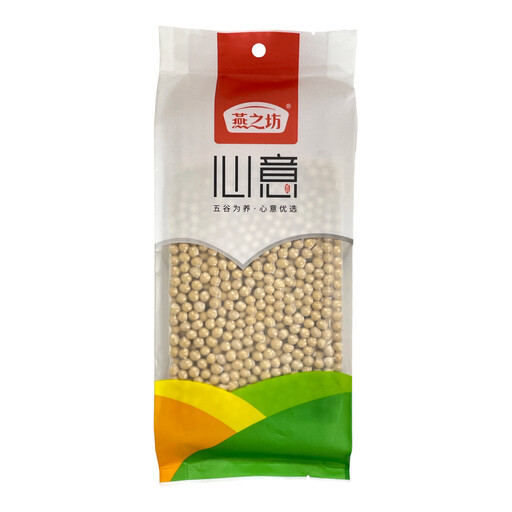
Why This Fits Their Persona: A manageable pack for home cooks who want to try making soy milk, tofu or adding cooked beans to Chinese soups and stews.
The single-ingredient list makes it clear that this is a raw, dried product rather than a ready-to-eat snack.
345g pack; plain soybeans; nutrition panel lists 35g protein per 100g.
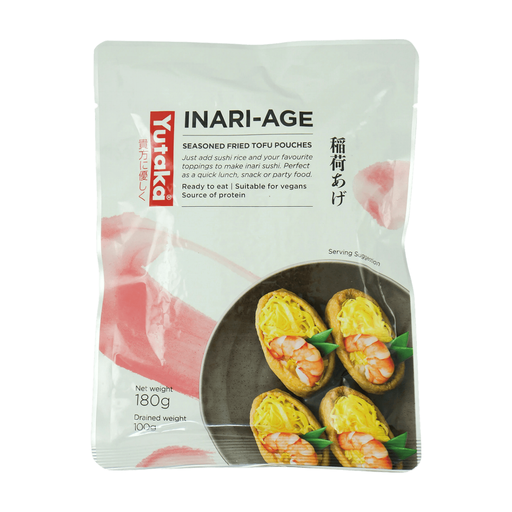
Why This Fits Their Persona: Suitable for shoppers preparing Japanese ingredients for inari sushi, bento boxes, parties or quick weekday lunches.
It is clearly labelled ready to use, avoiding the preparation time associated with plain tofu skin or dried beans.
Ten seasoned pockets; designed to be filled with sushi rice; suitable for vegans according to the product information.
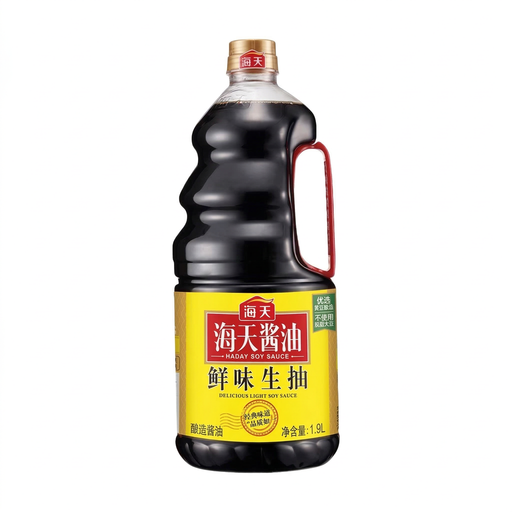
Why This Fits Their Persona: A large-format option for catering customers, frequent stir-fry cooking and households that use soy sauce for marinades, braises and dipping.
The 1.9-litre size makes the intended high-use application clear, rather than leaving occasional cooks with unnecessary bulk.
1.9-litre bottle; suitable for stir-frying, braising, marinating and dipping; refrigerate after opening.
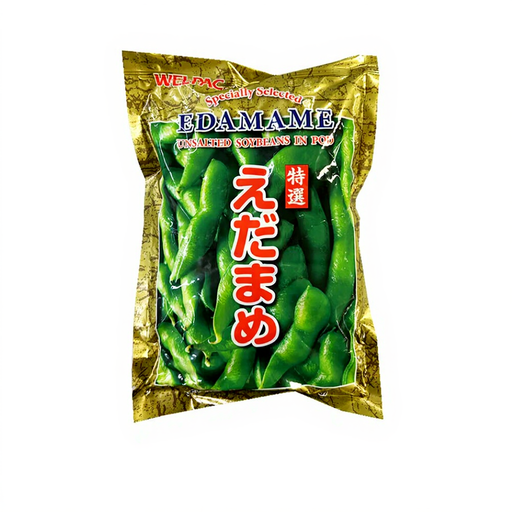
Why This Fits Their Persona: Convenient for vegans, vegetarians and busy home cooks who want a quick addition to noodle bowls, salads, rice dishes or stir-fries.
The ingredients state frozen soybeans only, while the instructions specify cooking for 5–6 minutes before serving.
454g shelled pack; 100% frozen edamame; provides 12g protein per 100g according to the listed nutrition panel.
We have compiled a complete, real-time list of products that fully satisfy these strict selection criteria and UK safety regulations.
Some are, but not all. Plain soybeans, edamame, many tofu products and some soy milks are plant-based. However, recipes and prepared snacks can contain fish paste, dairy ingredients or other animal-derived components. Always read the ingredient list and allergen information.
Usually, yes. Dried soya beans generally need soaking before cooking, followed by thorough cooking. Use the preparation guidance on the packaging and allow additional time compared with frozen edamame or ready-to-use tofu products.
For general seasoning, a light soy sauce is typically more versatile for stir-fries, dipping sauces, cold dishes and marinades. Dark soy sauce is more suited to adding colour and depth to braised dishes. Compare bottle size, salt content, allergens and available storage space before choosing.