
24/7 Customer Support

Free returns

Same-day & Next-day Delivery

Quality Guaranteed

Unlock Your Welcome Offers: FREE Delivery | Up to 80% OFF | Free 30-day JoyPlus trial
Download the APP
Asian soya products can make Chinese, Japanese and wider East Asian cooking much easier at home. From dried soya beans and frozen edamame to tofu skin, natto and soya milk, the range covers pantry staples, quick snacks and plant-based protein options.
However, packaging can make similar products look interchangeable when they are not. A product designed for hot pot may be unsuitable for a quick salad, while a sweetened soya drink may not suit someone looking for an everyday cooking ingredient. The following guide focuses on practical checks rather than marketing language, helping you select Asian soya products that match how you actually cook.
Soya beans, edamame and dried soya beans come from the same crop but serve different purposes. Edamame is young soya bean harvested before full maturity, commonly sold frozen in pods or shelled. Mature dried beans need soaking and thorough cooking, but can be used for soya milk, tofu, soups and stews.
Buying frozen edamame for a recipe that requires a smooth soya milk base can create unnecessary preparation work. Similarly, choosing dried beans for a quick snack means allowing time for soaking and cooking.
Nutrition panels usually state values per 100g, but the food’s form matters. Dried beans have little water, so their protein and calorie figures appear concentrated. Frozen edamame contains more water and is often eaten in larger portions. Soya milk may contain added sugar, while fermented products such as natto and bean paste have different salt levels.
Use the nutrition panel to compare similar formats, and check the serving size, sugar, salt and ingredient list rather than focusing on one number.
Soya is a legally recognised allergen in the UK and must be clearly declared. Some products also contain wheat, gluten, mustard or sulphites. For example, fermented bean paste may include wheat flour, and certain tofu skin products may contain sulphites.
Storage is equally important. Frozen edamame and fried beancurd require a freezer at -18°C or below, while dried soya beans need a cool, dry place. Once opened, products such as soya milk, natto and sauces may require refrigeration or prompt consumption.
A short ingredient list can be useful when you want a straightforward staple. Yanzhifang Soybeans 345g lists soybeans as its ingredient and provides 35g protein per 100g in the supplied nutrition information. Chuanzhen Brand Dried Soya Bean 400g is another single-ingredient option, with instructions to store it sealed in a dry, well-ventilated place.
For prepared foods, look for oils, sugar, salt, coagulants and preservatives. ZF Tofu Skin, for instance, contains soy, water, liquor and sodium bisulphite, so it may not suit shoppers avoiding sulphites.
Frozen edamame can generally be cooked directly from frozen. Freshasia Frozen Edamame 350g gives a boiling time of approximately 4–5 minutes, while Honor Edamame with Skin 500g specifies around 5–8 minutes. Ready-salted edamame offers a more convenient serving format, but its salt content should be considered when planning the rest of the meal.
Dried beans and tofu skin need more preparation. Tofu skin may require soaking, while frozen beancurd can usually go directly into simmering soups or hot pot. Always follow the product’s own instructions, particularly where the label says cook before consumption.
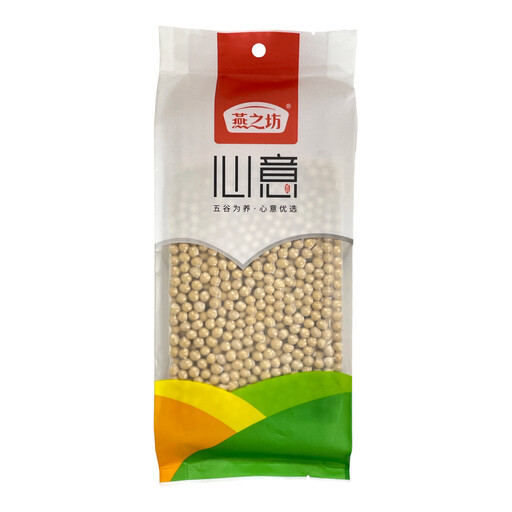
Why This Fits Their Persona: A compact cupboard staple for shoppers starting to cook more Chinese ingredients at home and willing to plan soaking time.
It is listed as a single-ingredient product, avoiding confusion between plain soya beans and sweetened or seasoned alternatives.
345g pack; 35g protein per 100g as supplied; suitable for soya milk, soups and cooked dishes.
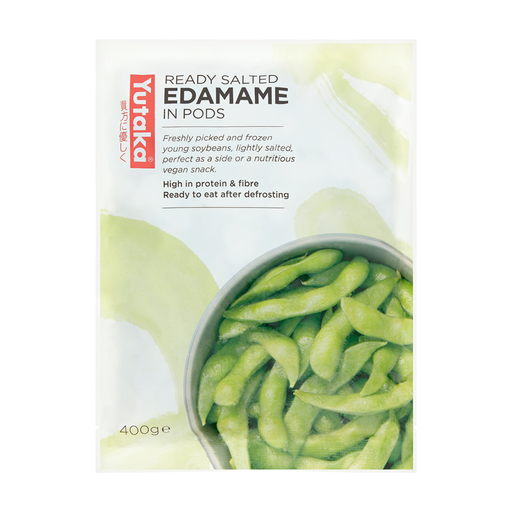
Why This Fits Their Persona: A convenient Japanese-style snack or appetiser for households that value quick preparation and clearly specified ingredients.
The ingredient list identifies soya beans and salt separately, making it easier to account for seasoning rather than assuming the product is plain.
400g frozen pack; 99.5% soya beans and 0.5% salt; suitable for snacks, sides and salads.
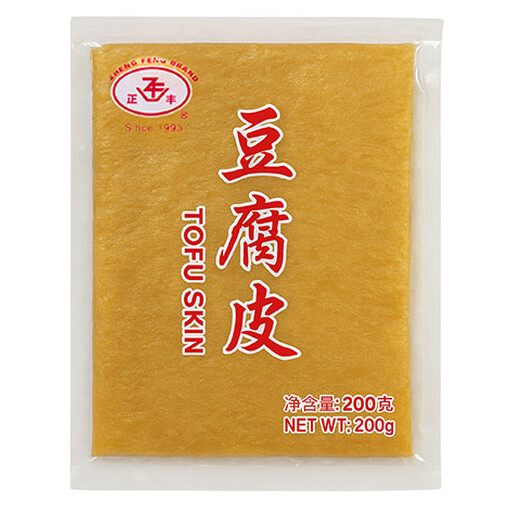
Why This Fits Their Persona: Designed for cooks who regularly prepare hot pot, braised dishes, soups or stir-fries and need a sauce-absorbing soya ingredient.
The label gives a 90% soya content declaration and clearly states that it must be soaked and cooked rather than eaten raw.
200g pack; 44.3g protein per 100g as supplied; suitable for soups, hot pot and braised recipes.
For flexible everyday cooking, combine one dry staple with one quick-cook or ready-to-use product. Dried soya beans can support planned meals, while frozen edamame is useful when you need a side dish in minutes. Tofu skin, beancurd and fried beancurd provide different textures: thin sheets for wrapping or stir-frying, porous tofu for absorbing broth and fried pieces for hot pot or braising.
For flavour, Shinho Liu Yue Xiang Soybean Paste can be added to stir-fries, noodle sauces and braises. Lao Gan Ma Preserved Black Bean in Chilli Oil combines fermented black beans, chilli and oil, but its supplied nutrition information lists 8g salt per 100g, so a small spoonful may be enough.
We have compiled a complete, real-time list of products that fully satisfy these strict selection criteria and UK safety regulations.
Many plain soya beans, dried soya beans, frozen edamame, tofu skin and soya milk products are plant-based. However, check the full ingredients list. Beancurd rolls may contain fish paste, while seasonings can include wheat or other ingredients. Do not rely only on terms such as “Asian-style” or “plant-based”.
Store dried soya beans in a sealed container in a cool, dry and well-ventilated cupboard, protecting them from moisture and insects. Keep frozen edamame at -18°C or below, do not refreeze after thawing and cook according to the packaging instructions.
Frozen shelled edamame is a straightforward starting point because it can be cooked quickly and added to salads, rice dishes or stir-fries. Ready-to-drink soya milk is another convenient option. If you want to make soya milk or tofu from scratch, choose dried soya beans and allow extra preparation time.