
24/7 Customer Support

Free returns

Same-day & Next-day Delivery

Quality Guaranteed

Unlock Your Welcome Offers: FREE Delivery | Up to 80% OFF | Free 30-day JoyPlus trial
Download the APP
Buying Asian spices and seasonings online can open up everything from Chinese stir-fries and Korean barbecue to Japanese noodles and Sichuan-style dishes. However, attractive packaging does not always tell you how a product will perform in your kitchen. The blend may be too salty, the heat level may be unclear or the format may not suit the recipe you had in mind.
This guide explains what to check before buying, then matches selected products to different cooking habits and budgets.
Labels such as “extra hot” indicate intensity, not necessarily complexity. A pure chilli powder may provide heat with a relatively direct pepper flavour, while Sichuan chilli seasoning can also contain oil, sesame and spices for aroma and texture. If you want to make chilli oil, stir-fries or dry dipping sauces, check whether the product contains oil and seeds rather than assuming every powder is interchangeable.
Seasoning blends and ready-to-use sauces can contain considerably more salt than individual spices. For example, product information for some all-purpose seasonings, noodle sauces and pastes lists salt levels ranging from moderate to very high per 100g. This matters when combining them with soy sauce, stock cubes or salted marinades.
Read the ingredient list and nutrition panel before purchasing. A blend containing salt near the beginning of the list will behave differently from a single-ingredient product such as cumin or ground red chillies.
International products may contain soy, wheat, sesame, mustard, celery, peanuts or other allergens. Korean gochujang and Japanese noodle dipping sauce commonly contain soy and wheat, while suya pepper mix contains peanuts. Always check the physical packaging before use, particularly where allergy advice says that products are made in facilities handling other allergens.
Storage also affects quality. Powders should generally be kept sealed in a cool, dry place. Opened pastes and liquid sauces may require refrigeration, so consider whether you have sufficient fridge space.
Choose the format that matches your cooking:
Check whether a product is labelled ready to eat or requires cooking. Some spice powders are intended to be incorporated into cooked dishes rather than eaten directly.
“Hot”, “extra hot” and “spicy” are not universal technical measurements. Start with a small quantity when trying a new product, especially with extra-hot chilli powder or fermented chilli paste.
For a fragrant Chinese profile, five spice blends may include cinnamon, star anise, fennel, coriander, Sichuan pepper and liquorice. A Korean paste offers a thicker, fermented profile, while Japanese mentsuyu provides savouriness and can include citrus or wasabi notes. Select based on the dish rather than heat alone.
A 28g shaker may suit occasional use, whereas a 300g jar or 500g tub is more practical for regular family cooking. Concentrated sauces often need dilution. For instance, a three-times-concentrated Japanese noodle dipping sauce may be mixed with water according to the label, making the bottle stretch further than its stated volume suggests.
Also check salt per 100g, storage instructions, best-before information and resealability. These details help prevent waste and unexpected flavour changes.
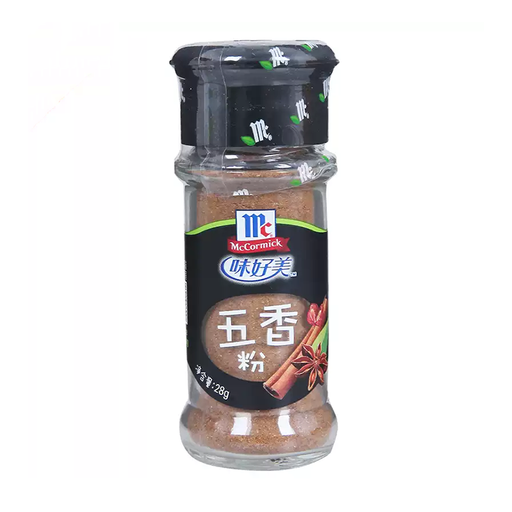
Why This Fits Their Persona: The compact shaker is suitable for UK cooks who want to try Chinese-inspired recipes without committing to a large jar.
The listed ingredients show the blend’s aromatic profile, helping you distinguish it from a simple hot spice mix.
28g shaker format; suitable for meats, stir-fries, marinades and traditional Chinese dishes.
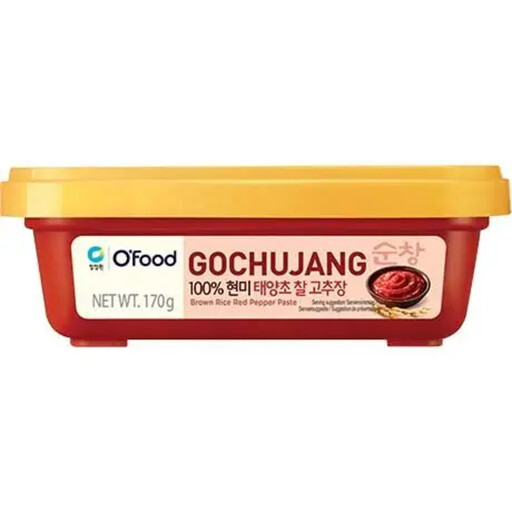
Why This Fits Their Persona: Cooks who prioritise a recognisable fermented Korean flavour can use this paste in bibimbap, tteokbokki, stews and Korean barbecue marinades.
The ingredient and allergen information identifies wheat and soy, while the product format makes its fermented paste texture clear.
Ready to use; combines chilli, sweetness and savoury notes; refrigerate after opening.
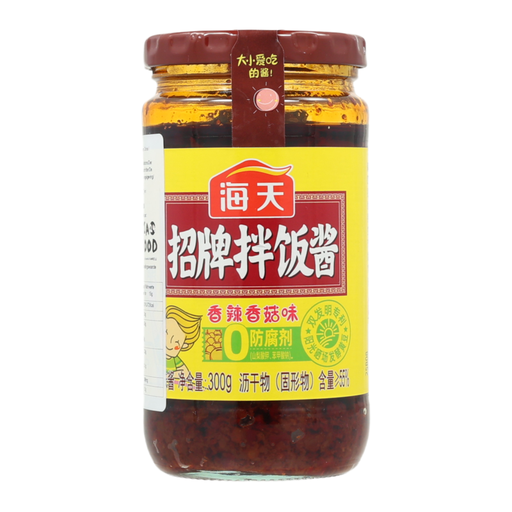
Why This Fits Their Persona: A larger jar suits households that regularly prepare rice, noodles and stir-fries or need a convenient everyday seasoning.
The 300g size is transparent, and the listed soy, wheat and salt content helps regular users plan portions.
Shiitake and dried chilli provide umami and heat; ready to eat; suitable for rice, noodles and stir-frying.
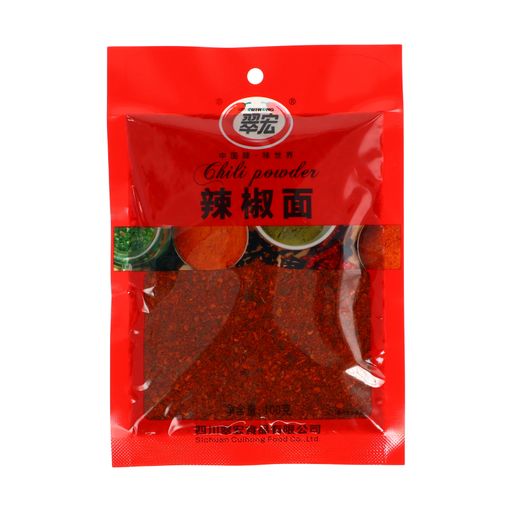
Why This Fits Their Persona: Suitable for cooks experimenting with Sichuan-style flavour, chilli oil, marinades, dry dips and stir-fries.
Its listed ingredients—chilli, rapeseed oil, sesame and spices—explain the texture and allergen considerations before purchase.
Ready to use; suitable for making chilli oil, stir-frying, marinating and dry dipping.
We have compiled a complete, real-time list of products that fully satisfy these strict selection criteria and UK safety regulations.
For South Asian meals, compare cumin spice, garlic and coriander seasoning and tandoori masala. For African cooking, suya pepper mix and jollof seasoning offer different uses: suya often suits grilled foods, while jollof seasoning is designed around rice, stews and sauces. Baharat spice blend works with lamb, meatballs and roasted vegetables.
For a Japanese option, check whether a Japanese noodle dipping sauce is concentrated and whether it contains wheat and soy. A citrus yuzu version provides a different profile from wasabi-flavoured mentsuyu. If you prefer a ready-made topping, chilli oil can be stirred through noodles, rice or dumplings, but review the oil, peanut, soy and salt content first.
Use the printed best-before date as your primary reference. Dry spices generally retain aroma better when kept airtight, dry and away from heat and sunlight. Pastes and opened liquid sauces may need refrigeration and should be used according to their packaging instructions.
Some are, but the ingredients vary. Check for meat-derived ingredients, dairy, fish, shellfish and production warnings. Products described as vegetarian or vegan should still be checked against the current label, as formulations and packaging information can change.
Start with less seasoning than the recipe suggests, then taste after cooking. Avoid adding extra soy sauce or stock until the dish is finished. For concentrated sauces, dilute them as directed and balance the dish with unsalted rice, noodles, vegetables or other plain ingredients.