
24/7 Customer Support

Free returns

Same-day & Next-day Delivery

Quality Guaranteed

Unlock Your Welcome Offers: FREE Delivery | Up to 80% OFF | Free 30-day JoyPlus trial
Download the APP
Finding Asian and world spices and sauces for everyday cooking should be straightforward, but attractive packaging and broad flavour claims can make comparison difficult. UK shoppers often want authentic international ingredients for curries, stir-fries, noodles, marinades, salads and vegetarian meals, yet the wrong format can lead to wasted food, disappointing flavour or unexpected allergen issues.
This guide focuses on the details that matter before you buy, from ingredient percentages and heat levels to storage requirements and pack size.
A product labelled “extra hot” may add plenty of chilli heat but little savoury depth. Conversely, a fermented black bean sauce or Korean hot pepper paste can deliver sweetness, saltiness and umami as well as warmth. Consider whether you need pure heat, background seasoning or a ready-to-use condiment.
Marketing descriptions may highlight traditional recipes, but the ingredients determine what you are actually buying. Check whether a powder is 100% white pepper, paprika or crushed red chillies, or whether it contains salt, sugar, oil, flavour enhancers or other seasonings. This is particularly important when adapting recipes for vegetarian diets.
A large jar can offer better value only if you use it regularly. Frozen green chillies need freezer space, while opened roasted peppers and sauces may require refrigeration. Fine powders are convenient, but crushed chillies provide texture and can be bloomed in oil. Match the product with your cooking routine rather than choosing by pack size alone.
For a standalone cooking spice, look for a clear ingredient statement. Examples include 100% ground white pepper, 100% paprika or 100% crushed red chillies. White pepper powder generally suits light-coloured sauces, soups, mashed potatoes and seafood because it does not leave visible black flecks. Black pepper has a more pronounced aroma and works well in marinades, curries and soups.
Paprika is commonly chosen for colour and a gentle pepper flavour, while cayenne or extra-hot chilli powder is more suitable when heat is the main priority. Crushed red chillies retain seeds and pith, so they can provide a more noticeable texture and variable heat.
Ready-made sauces can contain considerably more salt or sugar than dried spices. For example, a fermented black bean chilli condiment lists 8.0g of salt per 100g, while a spicy crispy chilli oil lists 9.3g per 100g. These products are intended to be used in small amounts, so start with a spoonful and adjust the dish gradually.
Korean hot pepper paste usually combines chilli with sweet and savoury ingredients. Haepyo Sunchanggung Hot Pepper Paste includes red pepper seasoning, rice and fermented soybean powder, making it a seasoning paste rather than a simple chilli purée. Read the label carefully if you need to avoid gluten, soya, mustard or sesame traces.
Dried spices should be sealed and stored in a cool, dry place away from sunlight and humidity. Resealable packaging or an airtight container helps protect aroma after opening. Frozen crushed green chillies should remain at -18°C or below and should not be refrozen after thawing.
Preserved peppers and sauces need different handling. Once opened, roasted red peppers should be refrigerated and kept covered by their brine where applicable. Cooks & Co Sweet Red Peppers advise transferring leftovers to a non-metallic container and consuming them within three days. Always follow the product label, especially where a jar includes a best-before date or specific refrigeration guidance.
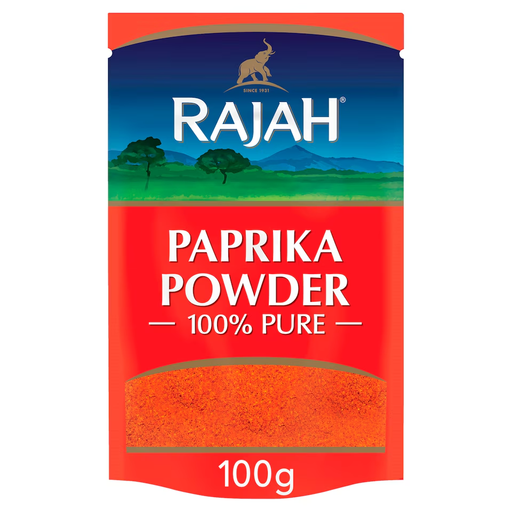
Why This Fits Their Persona: A practical starting point for cooks building a spice cupboard, with applications across roasted vegetables, marinades, stews and Mediterranean-style dishes.
The ingredient list identifies paprika as the sole ingredient, avoiding a blend that could contain unexpected salt or fillers.
100g pack; fine ground texture; suitable for meat and vegetarian dishes; adds colour without relying on a ready-made sauce.
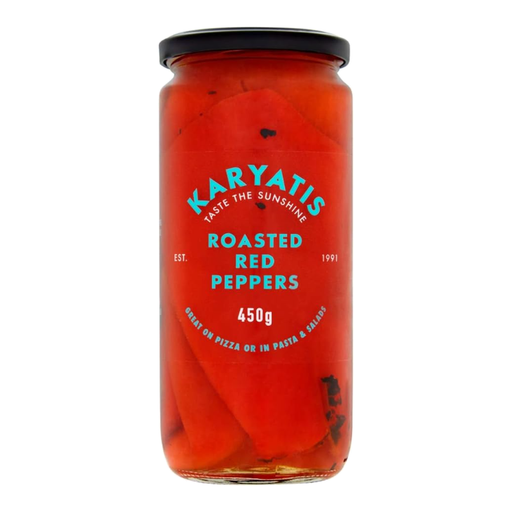
Why This Fits Their Persona: Suitable for cooks who value ready-to-use Mediterranean ingredients and want a shortcut for antipasti, salads, pasta and pizza.
The product format is clear: flame-roasted red peppers preserved in water, red wine vinegar, sea salt and sugar, rather than a dry seasoning marketed as a complete dish.
450g jar; tender roasted texture; ready to eat; once opened, refrigeration and brine coverage guidance is provided.
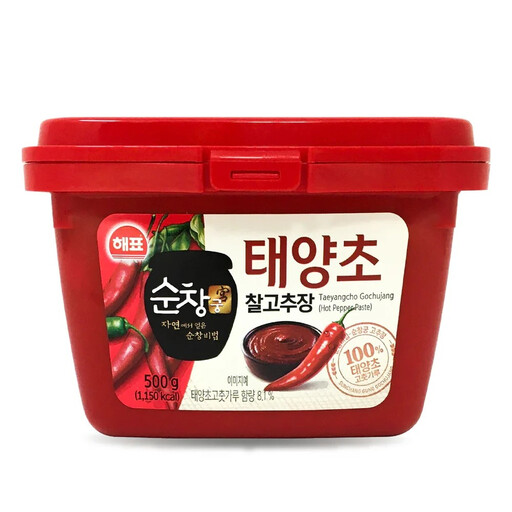
Why This Fits Their Persona: A useful choice for regular Korean-style cooking, including marinades, stews, rice dishes, dipping sauces and tteokbokki.
Its ingredient list makes the sweet, spicy and fermented character clear, helping buyers distinguish it from a simple chilli sauce.
500g tub; includes rice and fermented soybean powder; refrigerate after opening; allergen information is provided on the listing.
For sharper pepper flavour, compare white pepper powder, including YunShanBan White Pepper 60g or McCormick White Pepper Powder 30g, with coarse black pepper for dishes where aroma and texture are more prominent. For direct heat, options include extra-hot chilli powder, cayenne pepper and crushed red chillies.
Lao Gan Ma Preserved Black Bean in Chilli Oil combines fermented black beans with chilli and oil for noodles, rice and stir-fries. Its listed allergens include soya and wheat. Frozen crushed green chillies can reduce preparation time, while sweet red peppers provide a mild, colourful ingredient for salads and pasta. Check the individual label for current ingredients, allergen advice and storage instructions before purchase.
We have compiled a complete, real-time list of products that fully satisfy these strict selection criteria and UK safety regulations.
Both come from peppercorns, but white pepper has its outer skin removed before grinding. It is commonly used in light-coloured dishes, while black pepper generally offers a more visible appearance and pronounced aroma. Choose according to the recipe and the flavour profile you prefer.
Follow the packaging first. Many sauces and pastes should be refrigerated after opening, while some dried chilli products can remain in a cool, dry cupboard. Use clean utensils, keep the lid sealed and check the stated use-by or best-before guidance.
Many single spices, peppers and vegetable-based products are suitable for vegetarian cooking, but recipes vary. Check for fish, chicken flavouring, meat extracts, soya, wheat and other allergens in sauces and pastes. Product labels remain the reliable source for the specific item you are buying.