
24/7 Customer Support

Free returns

Same-day & Next-day Delivery

Quality Guaranteed

Unlock Your Welcome Offers: FREE Delivery | Up to 80% OFF | Free 30-day JoyPlus trial
Download the APP
Buying Asian spices and seasonings online can be convenient, but attractive packaging does not always reveal how a product will perform in your kitchen. A small jar may contain a pure single spice, while a similarly sized packet may be mostly salt, sugar or flavour enhancers.
For UK home cooks, food enthusiasts and professional kitchens, the practical choice depends on the dish, ingredient list, heat level, pack size and storage requirements. This guide explains the key details to check before buying Chinese, Thai, Indian, Caribbean, Middle Eastern or West African seasonings.
A product called Sichuan pepper powder, coriander powder, chilli powder or garlic powder should be checked against the ingredients list. A pure spice may list only one ingredient, such as Sichuan pepper or ground coriander. A seasoning blend may also contain salt, sugar, flour, flavour enhancers or anti-caking agents.
This distinction affects how much you add to a recipe. A pure spice contributes aroma and flavour, whereas a blend may also season the dish.
Some ready-to-use blends are designed to deliver strong flavour in small quantities. For example, HUASEED Salt Baked Powder lists salt at 30% and provides a nutritional value of 50g salt per 100g. Dunns River Caribbean Everyday Seasoning lists 43g salt per 100g, while some curry and tandoori masala blends also have a high salt content.
Read the nutrition panel before adding extra salt, stock cubes or soy sauce. Ingredients such as E621, E635 or disodium 5’ ribonucleotides are flavour enhancers and should be considered when choosing products for everyday cooking.
Powder, whole spice, marinade mix and seasoning sachet are not interchangeable in every recipe. A tea egg seasoning packet is formulated for simmering in water, while Chinese five spice is more suitable for rubs, marinades and stir-fries. A Thai seasoning mix for fermented Nam involves specific preparation and food-safety steps, including thorough cooking.
Choose according to the cooking method rather than relying on a cuisine label alone.
Ingredients are generally listed by weight, so the first few items indicate the main components. For a pure product, look for a short list such as “Sichuan pepper” or “ground coriander”. For mixed products, check whether salt, sugar, wheat flour, mustard, celery, soya or other allergens are included.
Examples from this range include:
Always read the current packaging before use, particularly if someone in your household has an allergy or follows a restricted diet.
Small 24g or 28g bottles are useful for occasional recipes and help reduce the risk of stale spices. Larger 100g or 400g packs can offer better value for regular cooking, but they need proper storage.
A 30g tea egg or salt-baked sachet is practical when you want a measured blend for one cooking session. Multi-pack tea egg seasoning, such as 15g sachets supplied in a larger pack, may suit families, restaurants or people who prepare the dish regularly.
Most dry spices should be kept in a cool, dry place away from direct sunlight and moisture. Reseal pouches and close jars securely to reduce clumping and aroma loss. Use a clean, dry spoon rather than shaking a container directly over steaming pans.
Check whether the product is ready to sprinkle or must be cooked. Fermentation products require particular care: Lobo Nam Seasoning Mix is intended for fermented pork and the prepared food should be cooked thoroughly until piping hot. Dry spice powders should also be used as culinary ingredients rather than consumed directly in quantity.
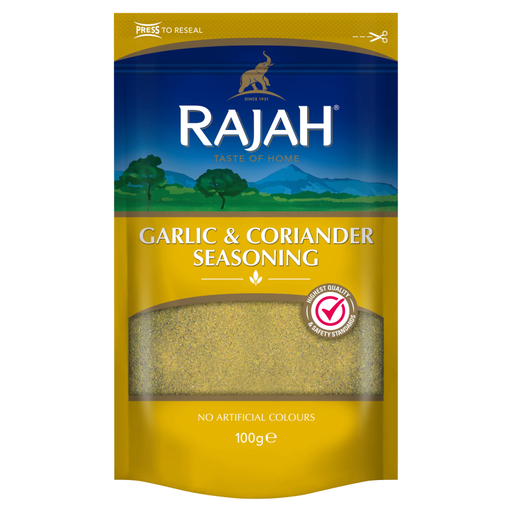
Why This Fits Their Persona: A 100g resealable blend is convenient for everyday meals, including rice, vegetables, meat and soups.
The ingredient list makes clear that it is a blend containing salt, garlic, coriander and flavour enhancer, rather than a pure garlic or coriander powder.
100g resealable packaging; suitable for vegetarian and vegan diets according to the product information.

Why This Fits Their Persona: Suitable for cooks who want a focused Chinese spice for hot pot dips, marinades and stir-fries.
The listed ingredient is Sichuan pepper, so it is not presented as a salt-heavy all-purpose seasoning.
24g bottle; listed as containing Sichuan pepper only and with no listed salt.
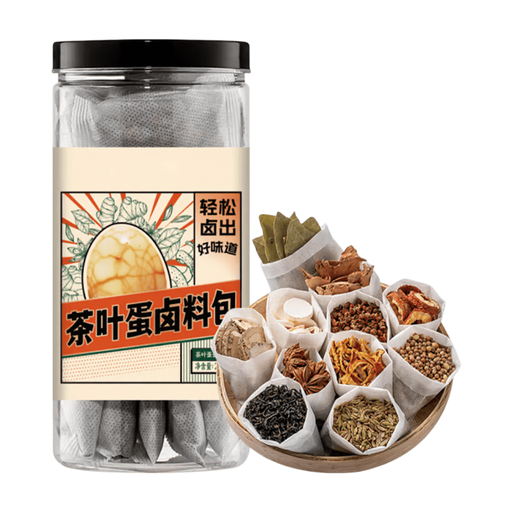
Why This Fits Their Persona: A practical choice for frequent tea egg preparation at home, in catering or in a restaurant kitchen.
Individual 15g sachets help provide a consistent quantity and limit repeated exposure of the whole pack to air and moisture.
14 sachets, each 15g; includes star anise, cinnamon, fennel, dried tangerine peel and other listed spices.
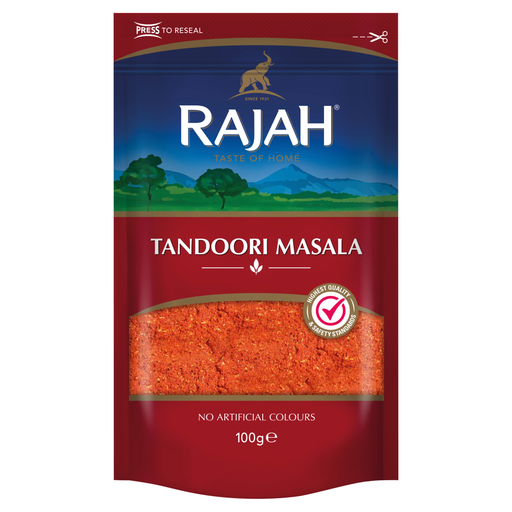
Why This Fits Their Persona: Useful for cooks preparing repeated trays of tandoori-style chicken, fish or vegetables using a yoghurt marinade.
The product is clearly identified as a masala powder for use in cooked dishes, rather than a ready-to-eat sauce or finished meal.
100g pack; listed ingredients include coriander, cumin, turmeric, chilli, garlic and aromatic spices.
We have compiled a complete, real-time list of products that fully satisfy these strict selection criteria and UK safety regulations.
For Chinese cooking, compare Chinese five spice, tea egg seasoning, salt-baked seasoning and Sichuan pepper powder according to the dish and preparation time. HUASEED Tea Egg Seasoning 30g is designed for simmering eggs with water and black tea, while HUASEED Salt Baked Powder 30g is intended for chicken, prawns and similar ingredients after marinating.
For Indian and South Asian dishes, chilli powder, coriander powder, curry powder, tandoori masala and garlic powder cover different roles. Pure coriander powder gives flexibility, whereas a blend such as Madras curry powder already combines coriander, turmeric, cumin, fenugreek and chilli.
For international meals, consider Caribbean seasoning, jollof seasoning, baharat spice blend and Thai seasoning mix. These can shorten preparation time for rice, stews, grilled meat and vegetables, but ingredient and allergen checks remain important.
Keep them in a cool, dry cupboard away from sunlight, steam and heat from the hob or oven. Reseal the original packaging or transfer opened powders to airtight containers. Do not refrigerate ordinary dry spices unless the packaging specifically advises it, as condensation may cause clumping.
Chinese five spice is a multi-ingredient blend traditionally built around warming spices such as star anise, cinnamon and fennel. Sichuan pepper powder is a single-spice product with a distinctive aromatic and numbing character. They serve different purposes and should not automatically be substituted for one another.
Check the best-before date printed on the packaging. Proper storage helps preserve aroma and texture, but opened powders may gradually lose flavour. Buy larger packs only when you cook with that seasoning regularly; otherwise, a smaller bottle or sachet can help reduce waste.