
24/7 Customer Support

Free returns

Same-day & Next-day Delivery

Quality Guaranteed

Unlock Your Welcome Offers: FREE Delivery | Up to 80% OFF | Free 30-day JoyPlus trial
Download the APP
Cooking Chinese, Japanese and wider Asian dishes at home is easier when the pantry contains the right ingredients. However, attractive packaging and broad claims such as “authentic”, “premium” or “natural” do not always tell you whether a product suits your recipes, storage space or dietary requirements.
This guide explains what to check before buying Asian spices and cooking ingredients, from Chinese spices and dried herbs to starches, fermented pastes and seaweed.
Seasoning blends can save time, but their flavour profile depends on the exact ingredients and proportions. A dumpling blend may contain tangerine peel, ginger, coriander seeds, fennel seeds, Sichuan peppercorn, cassia cinnamon, star anise, white pepper and galangal. That is quite different from a simple five-spice-style mix.
Always check whether the blend contains ingredients you enjoy and whether it includes salt, sugar, flavour enhancers or allergens. This is particularly important when buying Chinese spices, meat seasoning or prepared sauces.
Dried ingredients are often used in small quantities. A 15g pack of bay leaves may last several soups and braises, while 40g of fennel seeds can cover repeated batches of stuffing, stir-fries or roasted dishes. Comparing only the packet size can therefore be misleading.
Instead, consider:
Some products are ready to use, while others must be cooked, soaked or rehydrated. Tapioca starch should not be eaten raw, dried black fungus requires thorough soaking and cooking, and dried wakame needs rehydration before serving.
Poor storage can also cause clumping, moisture damage and fading aroma. Look for clear instructions such as keeping the product in a cool, dry place, away from direct sunlight, and transferring opened ingredients to an airtight container where appropriate.
For single-ingredient products, check the percentage declaration. Examples include 100% fennel, 100% tapioca starch, 100% dried fungus or 100% cinnamon. These are easier to use when you want to control the recipe yourself.
Whole spices such as fennel seeds, cumin seeds, star anise, bay leaves and cinnamon bark can be toasted, simmered or ground. Whole forms generally offer more flexibility than pre-ground powders, although they still need suitable storage to retain aroma.
For blends, read the complete list rather than relying on the front label. A prepared beef and lamb stew mix may include hawthorn, dried tangerine peel, galangal, star anise, fennel and bay leaves. This can be convenient for slow cooking, but it may not be suitable if you prefer to build the flavour from separate spices.
UK food labelling should identify relevant allergens in the ingredients list. Check carefully for soya, wheat, gluten, milk, celery, sulphites and other declared ingredients.
For example, Chinese soya bean paste commonly contains soya beans, wheat flour and gluten. A gelatine product may contain beef gelatine and sulphites, while ready-to-use boba tapioca pearls may include sulphites, preservatives, colourings or sweeteners. MSG seasoning is a flavour enhancer, but shoppers should still read the label and account for the product’s salt content when seasoning a dish.
The same ingredient category can behave differently in a recipe:
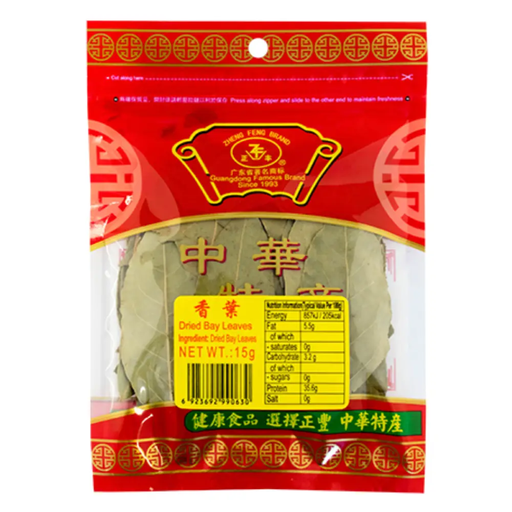
Why This Fits Their Persona: A compact pantry staple for UK cooks starting to prepare soups, stews, sauces and Chinese braised dishes without buying large quantities.
The single-ingredient list makes the flavour predictable, while the 15g quantity helps reduce waste for occasional cooks.
Dried bay leaves; 15g net quantity; suitable for soups, stews, sauces and braised dishes.
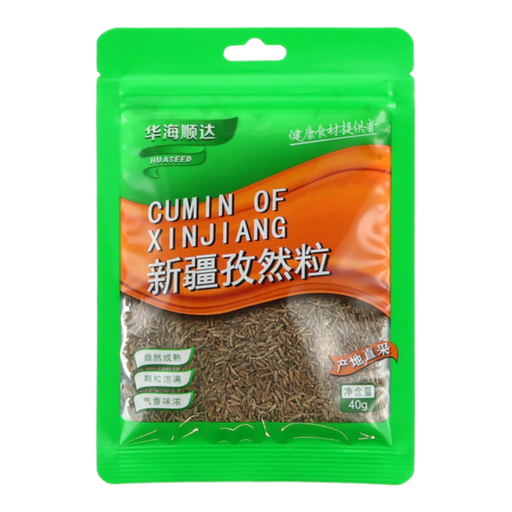
Why This Fits Their Persona: Whole cumin suits cooks who want to toast or grind spices for grilling, curries, marinades, stews and compound seasoning.
The product is listed as cumin rather than a mixed seasoning, so there are no additional herbs, salt or sweeteners to obscure the flavour.
40g pack; whole cumin seeds; suitable for cooking whole or grinding according to the recipe.
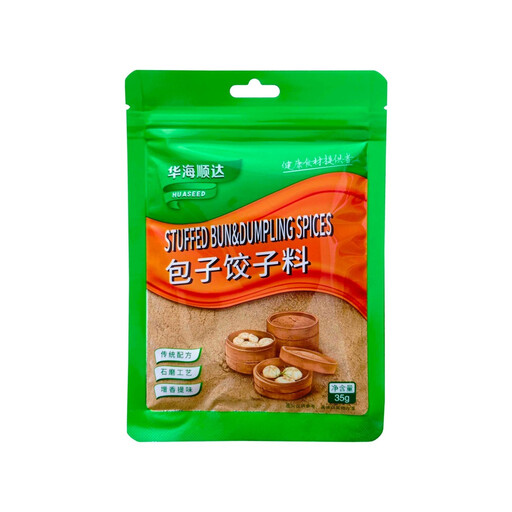
Why This Fits Their Persona: Designed for repeated batches of dumplings, baozi or wontons, making it useful for family cooking and larger meal preparation.
The listed ingredients and suggested ratio of approximately 1–2 teaspoons per 500g of filling provide a clearer starting point than an unspecified blend.
35g pack; contains dried tangerine peel, ginger, fennel, Sichuan peppercorn and other listed spices; suitable for meat or vegetable fillings.
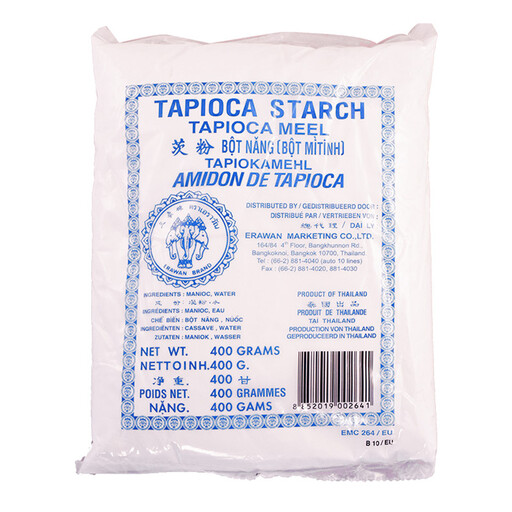
Why This Fits Their Persona: A larger pack for cooks making chewy desserts, glossy sauces, translucent dumplings, boba tapioca pearls or gluten-free recipes.
The ingredient is stated as tapioca starch, with clear instructions to cook it rather than consume it raw.
400g pack; 100% tapioca starch; described for thickening, binding and texturising recipes.
We have compiled a complete, real-time list of products that fully satisfy these strict selection criteria and UK safety regulations.
A practical starter cupboard could include Chinese soya bean paste for stir-fries and noodle sauces, pickled mustard greens for salty, tangy dishes and dried mushrooms for soups, fillings and stir-fries. For Japanese recipes, dried wakame is convenient for miso soup and noodle dishes. Star anise, cinnamon bark and cassia bark are useful for braises, while MSG seasoning can add umami when used alongside the rest of the recipe’s seasoning.
Before buying, check the net quantity, ingredient list, allergen statement, best-before information and storage instructions. This simple checklist helps separate genuinely useful Asian pantry staples from products that are unlikely to suit your cooking routine.
Start with versatile ingredients that match meals you already cook. Bay leaves, cumin seeds, fennel seeds, cinnamon bark and star anise cover soups, curries, braises and roasted dishes. Add a seasoning blend if you regularly make dumplings or baozi.
Follow the best-before date on the packaging and store opened products away from heat, light and moisture. Dried spices may remain usable beyond the date, but their aroma and flavour can gradually weaken. Whole spices are often practical for occasional cooks because they can be used in small amounts.
Some do. Dried mushrooms and wakame require rehydration, while tapioca starch needs cooking as part of a recipe. Ready-to-eat products, such as some pickled vegetables or soya bean pastes, can be used directly, but always follow the product’s label instructions.