
24/7 Customer Support

Free returns

Same-day & Next-day Delivery

Quality Guaranteed

Unlock Your Welcome Offers: FREE Delivery | Up to 80% OFF | Free 30-day JoyPlus trial
Download the APP
The world of Asian spirits is vast, vibrant and increasingly popular across the UK. From the crisp refreshment of Korean soju to the complex depths of Chinese baijiu and the elegant notes of Japanese sake, there's a universe of flavour to explore. However, navigating this exciting category can be tricky. Misleading labels and a lack of clear information can lead to disappointing purchases that don't match your expectations or your palate.
As the Joybuy Product Recommendation Officer, my role is to help you sidestep these common issues. This guide will break down the essential factors to consider, helping you move beyond the marketing hype and find the right Asian alcoholic drinks for any occasion, whether you're pairing with food, looking for a unique baijiu gift or simply want to buy Asian spirits online with confidence.
Before diving into what to look for, let's highlight the frequent traps that catch out UK buyers:
To make an informed choice, focus on these three non-negotiable factors. They are the key to unlocking a spirit that you will genuinely enjoy.
The foundation of any spirit's flavour lies in what it's made from and how it's produced.
Understanding the designated style is crucial, especially for baijiu and sake.
Always check the ABV, as it's a strong indicator of the drink's intended purpose.
Instead of a generic list, we've matched specific Asian spirits to different UK lifestyles and preferences, helping you find the perfect fit.
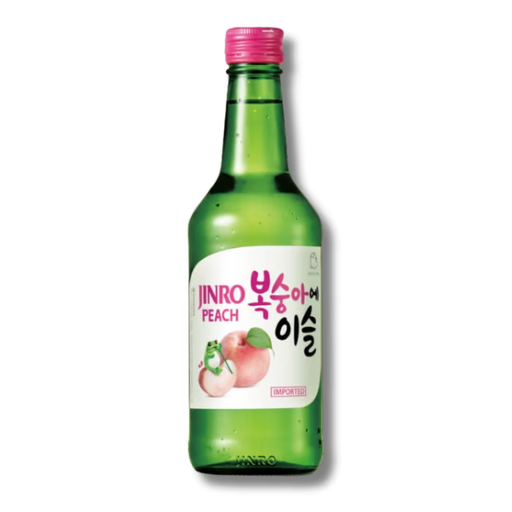
Why This Fits Their Persona: Perfect for sharing with friends over a meal of Korean fried chicken or at a casual gathering. Its low 13% ABV and sweet, natural peach flavour make it incredibly approachable for those new to Korean soju or who prefer a lighter, less intense drink.
It is clearly presented as a flavoured soju, avoiding the pitfall of mistaking it for a traditional, high-proof spirit. You get exactly what is advertised: a sweet, easy-drinking fruit-flavoured beverage.
The use of bamboo charcoal filtration results in a remarkably clean and smooth base, eliminating any harsh alcoholic bite. The balance between peach sweetness and the subtle warmth of soju is well-executed.
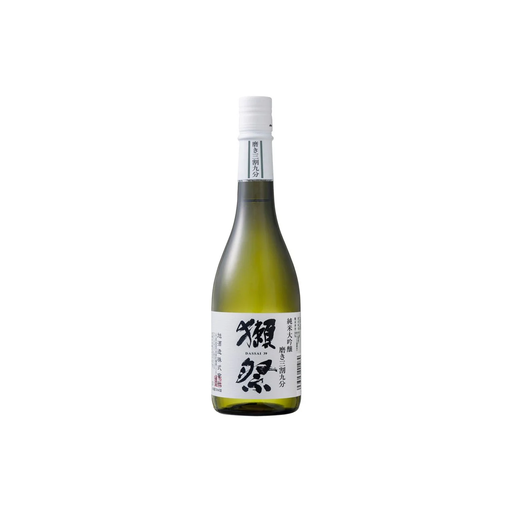
Why This Fits Their Persona: For those who appreciate fine food and want a premium Japanese sake to match. This is perfect for pairing with delicate seafood, sashimi or light dishes. Its refined profile enhances a meal without overpowering it.
This bottle sidesteps the "ignoring the category" trap. As a Junmai Daiginjo with a 39% polishing ratio, its quality and style are clearly defined, ensuring you get the elegant, aromatic experience you're paying for.
It delivers an intensely aromatic and fruity bouquet (green apple, melon) with a velvety smooth mouthfeel. The finish is exceptionally crisp and clean, making it a superb companion for food.
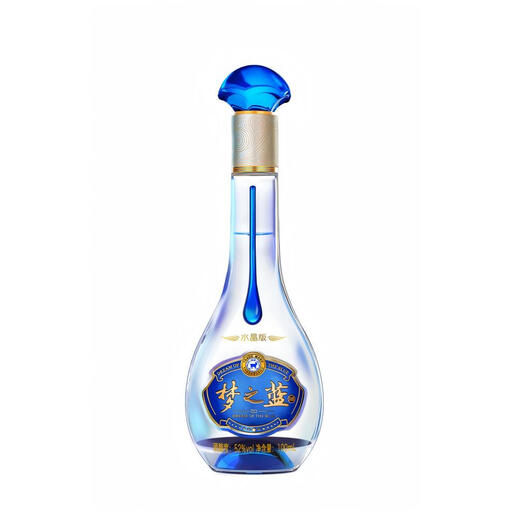
Why This Fits Their Persona: For someone seeking a premium Chinese baijiu experience or a sophisticated baijiu gift for an occasion like the Mid-Autumn Festival. The elegant bottle and smooth, complex flavour profile signal luxury and thoughtful selection.
This is a clear example of a high-end Strong Aroma (Nongxiang) baijiu. It avoids the flavour profile trap by delivering the rich, layered character expected of its category, justifying its premium positioning.
It offers a silky-smooth, mellow texture that is surprisingly approachable for a 52% ABV spirit. The 100ml bottle is an excellent way to sample an ultra-premium baijiu without committing to a full-size bottle.
We have compiled a complete, real-time list of products that fully satisfy these strict selection criteria and UK safety regulations.
1. How should I serve Asian spirits like soju, sake and baijiu? How you serve these spirits can greatly enhance the experience.
2. What is the difference between Japanese and Chinese plum wine? While both are sweet and fruity, their production can differ. Japanese Umeshu (e.g., Choya, Hakutsuru) is typically a liqueur made by steeping unripe ume plums in a neutral spirit with sugar. This creates its signature sweet-and-sour taste. Chinese plum wines can be made in a similar way or through direct fermentation, and their flavour profiles can vary more widely. Always check the label to see if it is a steeped liqueur or a fermented wine.
3. Are Asian spirits a good gift idea in the UK? Yes, they make for a wonderfully unique and thoughtful gift. A beautifully bottled Japanese sake, a premium Chinese baijiu gift set or a selection of flavoured Korean soju can be a fantastic present for a dinner party host, a culinary enthusiast or for cultural celebrations like the Mid-Autumn Festival or Lunar New Year. It shows a level of thought that goes beyond a standard bottle of wine.