
24/7 Customer Support

Free returns

Same-day & Next-day Delivery

Quality Guaranteed

Unlock Your Welcome Offers: FREE Delivery | Up to 80% OFF | Free 30-day JoyPlus trial
Download the APP
For students, office workers and busy families, Asian stir-fried noodles can turn a cupboard or freezer staple into a quick lunch or dinner. However, the product descriptions can make similar-looking packs seem interchangeable when they differ significantly in texture, preparation time, spice level, storage and allergens.
As the Joybuy Product Recommendation Officer, I filter the practical details that matter before purchase, so you can avoid paying for a format that does not suit your kitchen routine.
Some products need only microwave heating or boiling water, while others require a saucepan, draining and stir-frying. A frozen ready meal such as japchae is convenient, but it needs freezer space and microwave preparation. Dry Chinese fried noodles, by contrast, may need boiling before they can be added to a wok.
Always check the usage instructions, not just phrases such as “quick meal” or “convenient noodles”. Preparation time can range from approximately 90 seconds for a microwave meal to six minutes of boiling plus mixing for some sauce-based noodles.
“Spicy” can mean anything from a chilli-seasoned sauce to a stronger Sichuan mala profile. Korean stir-fried noodles may combine chilli with sweetness, while Sichuan spicy noodles can include peppercorn that creates a numbing sensation as well as heat.
If you are buying for a household, check whether the sauce can be adjusted separately. Products with individual sauce packets may allow you to use less seasoning, whereas a fully prepared meal offers less control.
A multi-pack may reduce the need for frequent shopping, but it can also create unnecessary waste if the flavour is not suitable. Dry noodle packs are generally easier to store in a cupboard, while frozen products require consistent storage at -18°C.
UK shoppers should also read the allergen statement carefully. Common allergens in these products include wheat or gluten, soya, sesame, fish, shellfish and oyster. Recipes and packaging can change, so use the product label as the final reference.
Choose the noodle base according to the dish you want:
For a wok meal, look for instructions that specify boiling, rinsing and stir-frying. For a desk lunch, a boxed or bowl format may be more practical.
Check whether the product is:
Microwave timings are not universal. For example, Ben’s Original Street Food Chinese Chow Mein Noodles 250g gives a 90-second instruction based on an 800W microwave, while Kuisine Vegetable Japchae uses a five-minute instruction for a 1,000W microwave. Follow the pack directions and allow food to stand where instructed.
Compare the per-100g nutrition panel where available, rather than judging products by pack size alone. Some instant stir-fried noodles contain separate oil, seasoning and vinegar sachets, giving more flavour control but also adding several components to the preparation.
For spice lovers, options include Sichuan peppercorn dry noodles, mala spicy instant noodles, Korean spicy noodles and extra-spicy Xinjiang noodles. If you prefer a milder meal, consider oyster sauce, vegetable japchae or a plain noodle base that lets you add your own sauce and vegetables.
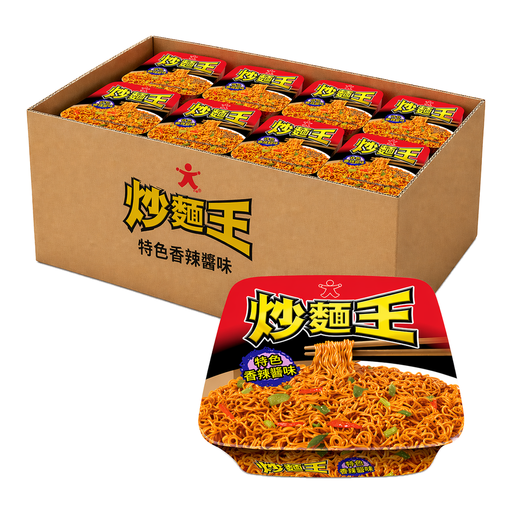
Why This Fits Their Persona: The 12-pack format suits students, shared houses and cupboard stock-ups where individual portions are useful.
The case quantity is stated clearly, reducing confusion between a single 120g pack and a bulk purchase.
Individual 120g portions; spicy sauce flavour for quick noodle meals.
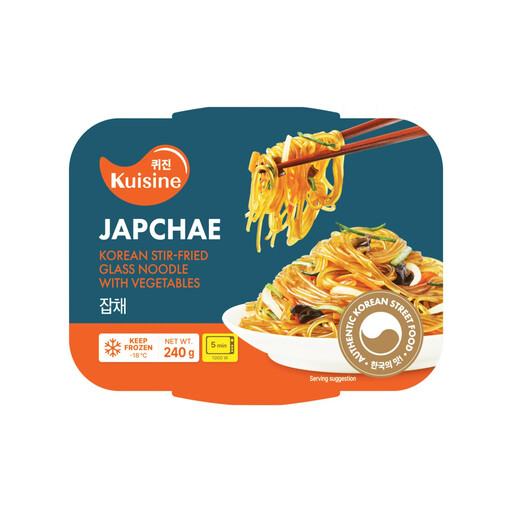
Why This Fits Their Persona: This frozen Korean-style meal is suited to shoppers who want a prepared dish with vegetables rather than a plain noodle block.
It is identified as a frozen ready meal, so buyers can plan freezer storage and microwave preparation in advance.
240g portion; includes vegetables; microwave instruction provided.
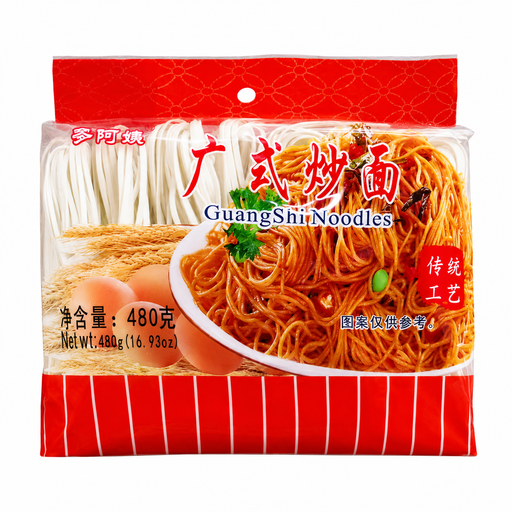
Why This Fits Their Persona: Home cooks can build several meals from the 480g pack by adding vegetables, egg, meat or seafood.
It is clearly a cooking-required noodle base, not a ready-to-eat meal, making the equipment and preparation commitment apparent.
Firm, springy wheat noodles; suitable for stir-frying, pan-frying or serving with sauce.
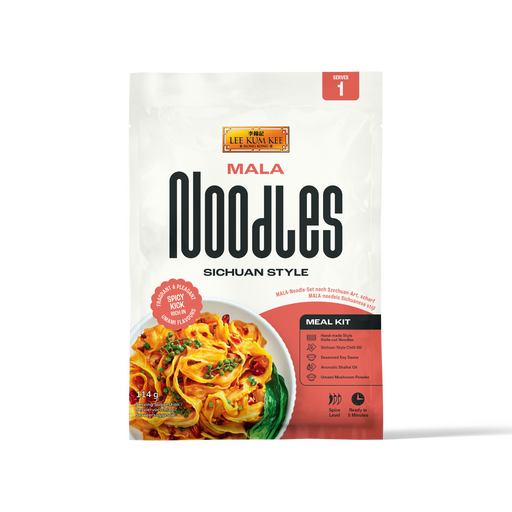
Why This Fits Their Persona: It suits shoppers specifically seeking Sichuan peppercorn, chilli oil and dry noodles with sauce.
The listing identifies the separate seasoned soy sauce, chilli oil, shallot oil and mushroom seasoning components instead of using only a vague spicy label.
Wide knife-cut noodles; includes Sichuan peppercorn-flavoured chilli oil; 114g single serving.
We have compiled a complete, real-time list of products that fully satisfy these strict selection criteria and UK safety regulations.
Microwave ready meals can take around 90 seconds, while cup noodles generally need three to five minutes with boiling water. Boil-and-mix products may take longer because you must cook, drain and combine the noodles with sauce. Always follow the specific pack instructions.
Many dry and instant noodles can be stored in a cool, dry place away from direct sunlight. Check the packaging for the best-before date and storage guidance. Frozen products, including some ready-to-eat Asian noodles, need freezer storage and should not be treated as cupboard staples.
Add cooked vegetables, egg, tofu, chicken or prawns to a plain noodle base such as Cantonese-style noodles. For a prepared pack, check the ingredient and allergen information before adding extras. Sauce-heavy products may already contain substantial seasoning, so add soy sauce or oyster sauce gradually.