
24/7 Customer Support

Free returns

Same-day & Next-day Delivery

Quality Guaranteed

Unlock Your Welcome Offers: FREE Delivery | Up to 80% OFF | Free 30-day JoyPlus trial
Download the APP
Preparing quick Asian meals at home can be convenient, but choosing the wrong noodles, sauce or cookware may lead to disappointing texture, excessive salt, difficult clean-up or ingredients that do not suit your diet. For UK shoppers, the most useful approach is to compare practical specifications rather than relying on phrases such as “restaurant-style” or “authentic”.
This guide explains what to check when buying Asian stir-fry noodles and sauces, then matches selected products to different cooking habits and household needs.
Not all noodles are ready for the same cooking process. Instant stir-fry noodles may only require boiling and draining, while dried Cantonese-style noodles usually need blanching before frying. If noodles retain too much water, the sauce can become thin and the finished dish may turn soft.
Check whether the pack requires:
For example, Ma Yi’s Cantonese-style noodles require boiling for two to three minutes, followed by draining and rinsing. This preparation helps them retain a firmer texture during the final stir-fry.
A ready-made sauce, concentrated paste and noodle seasoning are not interchangeable. A sauce such as a vegetarian stir-fry sauce is designed to coat ingredients directly, whereas a paste may need frying in oil and loosening with water. Instant noodle sachets are generally portioned for one packet and may contain a relatively high amount of salt.
Read the usage instructions and consider the serving size. A 50g Szechuan stir-fry paste may be designed for one small meal, while a 425g bottle of Kung Po sauce can provide several portions after opening. Storage instructions also differ: some sauces require refrigeration and quick consumption once opened.
Asian cooking sauces can contain soy, wheat, sesame, fish, shellfish or oyster extract. A product labelled vegetarian may still contain wheat or soy, and a Pad Thai sauce may include fish sauce and peanuts.
Always check the product label if you have an allergy or follow a vegan diet. For instance, Pad Thai sauce products containing fish sauce are not suitable for vegans, while a vegetarian oyster-flavoured sauce can provide a savoury alternative without oysters. Ingredient lists and allergen information on the product page should take priority over front-of-pack imagery.
For Cantonese stir-fried noodles, look for a product that explains how to blanch, drain and fry the noodles. A firm, springy noodle is generally more suitable for high-heat pan cooking than a very soft noodle.
For speed, instant products such as NISSIN UFO Stir-Fry Noodles or Nongshim Shin Stir-Fry Ramyun include separate seasoning components and require only a short preparation time. However, check the wheat, soy, sesame, fish and other allergen information before buying.
Consider the flavour profile alongside the pack size:
Also compare nutritional information per 100g and per serving. Several sauces in this category contain notable amounts of salt or sugar, so using a measured quantity with extra vegetables, noodles or tofu can help balance the dish.
A non-stick frying pan should be matched to the number of portions you usually prepare. A shallow pan may suit eggs or a single serving, while a deeper sauté pan is more practical for noodles and vegetables.
For small kitchens, a compact electric hot pot cooker can be useful for boiling noodles, simmering soup or preparing one-pot meals. The Plodon model supplied here has a 2.0-litre capacity, 1000W power and LOW/HIGH heat settings. Keep liquid below the stated maximum line, place the unit on a dry heat-resistant surface and never immerse its heating base or cord in water.
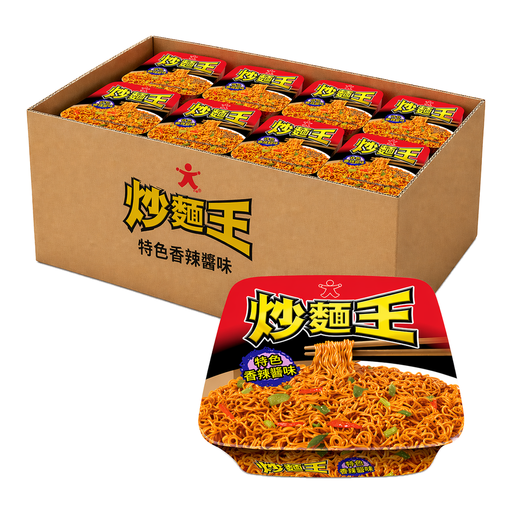
Why This Fits Their Persona: A case format gives students, shared houses and busy shoppers multiple quick meal portions without assembling separate noodles and sauces.
The pack identifies the spicy sauce flavour and quantity clearly, making it easier to plan portions and avoid buying a single serving by mistake.
Twelve 120g packs; convenient format for quick preparation and cupboard storage.
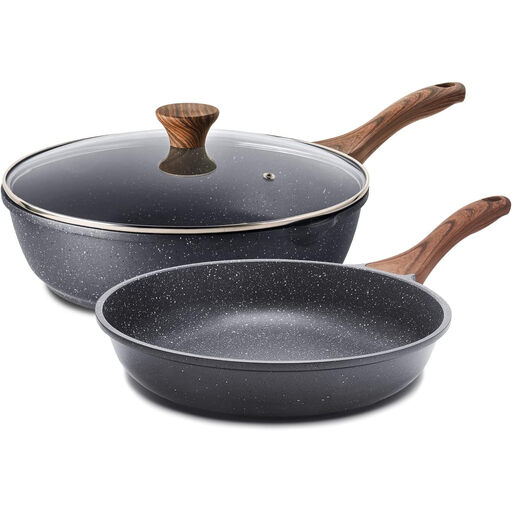
Why This Fits Their Persona: Suitable for home cooks who want one set for stir-fries, eggs, vegetables and sauces across induction, gas and electric hobs.
The listed dimensions, hob compatibility and coating-care guidance help buyers check fit before purchase rather than relying on generic cookware claims.
Includes a 9.5-inch frying pan and 5-quart sauté pan; tempered glass lid supplied for the sauté pan.
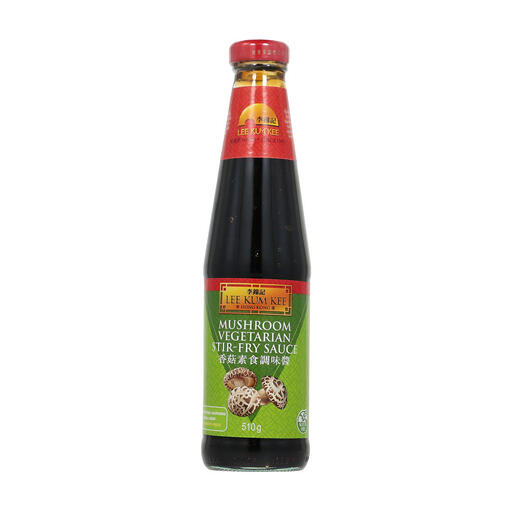
Why This Fits Their Persona: A practical option for seasoning tofu, vegetables and noodles when traditional oyster-based sauces are unsuitable.
The ingredient list identifies soybeans and wheat, so shoppers can check dietary requirements instead of assuming every vegetarian sauce is allergen-free.
Vegetarian and vegan-friendly positioning; 510g bottle suitable for repeated stir-fries, braises and noodle dishes.
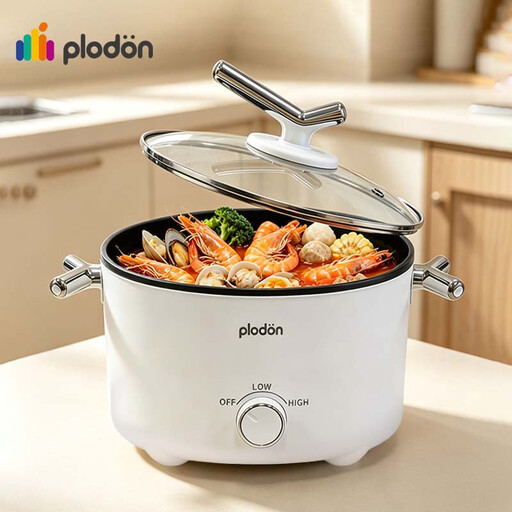
Why This Fits Their Persona: Designed for halls of residence, offices, compact kitchens and small households that need boiling, simmering and one-pot cooking in limited space.
Its stated capacity, LOW/HIGH controls and detachable cord make the operating limits clearer than vague “multi-function” descriptions.
2.0-litre non-stick pot; 1000W power; glass lid and two heat levels for noodles, soup, porridge and fried rice.
A reliable cupboard combination could include Cantonese stir-fry noodles, a vegetarian mushroom sauce and one stronger flavour option such as Kung Po sauce or Pad Thai sauce. Add fresh vegetables, tofu, chicken or seafood according to preference, and use a measured amount of sauce near the end of cooking to reduce sticking.
For a fast Pad Thai, check whether the packet contains peanuts and fish before preparing it. For a vegetarian version, use tofu and a suitable mushroom-based sauce instead. Keep raw ingredients separate, cook proteins thoroughly and follow the storage instructions after opening.
We have compiled a complete, real-time list of products that fully satisfy these strict selection criteria and UK safety regulations.
Cantonese-style noodles generally require boiling or blanching before being fried with vegetables, protein and sauce. Instant stir-fry noodles are usually portioned with seasoning and designed for shorter preparation, making them convenient but less flexible for larger recipes.
Yes, but rice noodles are usually the traditional base. Follow the sauce instructions and adjust with a little water if the noodles appear dry. Check the ingredients first, as some Pad Thai sauces contain fish and peanuts.