
24/7 Customer Support

Free returns

Same-day & Next-day Delivery

Quality Guaranteed

Unlock Your Welcome Offers: FREE Delivery | Up to 80% OFF | Free 30-day JoyPlus trial
Download the APP
Finding Asian sweets and desserts in the UK can be easier online than visiting several specialist shops, but product descriptions do not always tell the whole story. A colourful box may be ideal for gifting yet unsuitable for a household with allergies, while a frozen dessert can become poor value if delivery and freezer space are overlooked.
This guide focuses on the details that matter when comparing Asian snacks, Japanese sweets, Korean snacks, South Asian desserts, halal sweets and other international confectionery.
Words such as “matcha”, “Thai tea”, “taro” or “fruit” indicate the flavour direction, but not necessarily the texture, sweetness or preparation method. A matcha wafer is crisp and creamy, while Japanese mochi may be soft and chewy. Read the ingredients and serving instructions before ordering, particularly when buying for children or guests unfamiliar with the product.
Frozen Asian desserts need different planning from cupboard treats. Products such as ice sticks, buns and rice balls generally need storage at -18°C or below and should not be refrozen once thawed. Check that you have freezer capacity and follow the delivery instructions promptly.
Refrigerated desserts also have a shorter use window. Cheesecake bites, for example, require chilled storage and should be consumed within the stated period after opening.
These descriptions are useful starting points, not a substitute for reading the packaging. Check certification, allergens and the full ingredient list. Gelatine, milk, soya, wheat, nuts and sesame can appear in sweets and desserts in different forms. Products containing sweeteners may also include specific consumption warnings.
UK food labels should identify relevant allergens clearly, commonly in bold type. Look for milk, wheat or gluten, soya beans, peanuts, tree nuts, eggs, sesame and sulphites. Cross-contamination statements such as “may contain” are important for allergy-conscious shoppers.
For example, Japanese sweets may contain soya powder, while chocolate biscuits can include wheat, milk, soya and nuts. South Asian desserts often use milk solids, wheat flour, pistachios or other tree nuts.
Consider how the product will be eaten:
The term “rice balls” can refer to sweet glutinous rice dumplings rather than savoury snacks. Check whether cooking is required and supervise young children where the texture or size presents a choking risk.
A small 32g chocolate biscuit pack may suit individual snacking, whereas a 375g biscuit tin or multi-piece dessert pack is more practical for visitors. Compare the net quantity, number of portions and storage instructions rather than judging value by packaging size alone.
Nutrition panels can also reveal meaningful differences. Some gummy sweets contain around 70g or more of sugar per 100g, while no-added-sugar biscuits may contain maltitol or other sweeteners with usage warnings. These products should still be enjoyed as part of a varied diet.

Why This Fits Their Persona: A compact cupboard snack for shoppers trying Japanese-style flavours without committing to a large pack or frozen delivery.
The 40g pack makes the quantity clear, and the ingredient list identifies wheat, milk and soya rather than relying only on the matcha flavour name.
Ready to eat; individually packed mini wafer rolls; stores in a cool, dry place.
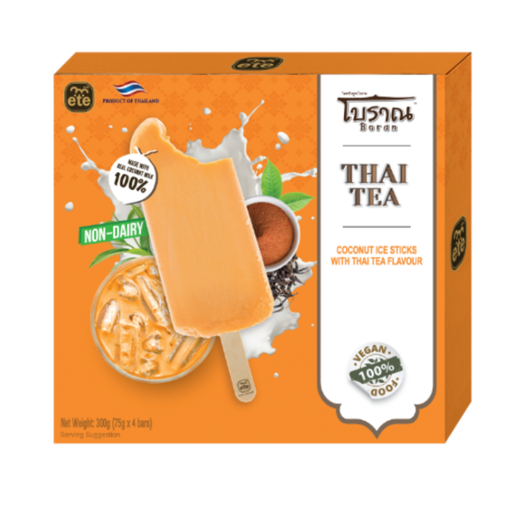
Why This Fits Their Persona: Suitable for those seeking a distinctive Thai dessert with a coconut base and Thai tea flavour for warm-weather serving or dinner occasions.
The listing states the four-stick quantity, dairy-free positioning and frozen storage requirement, helping buyers plan before ordering.
Four individually portioned sticks; halal certified; keep frozen at -18°C or below.
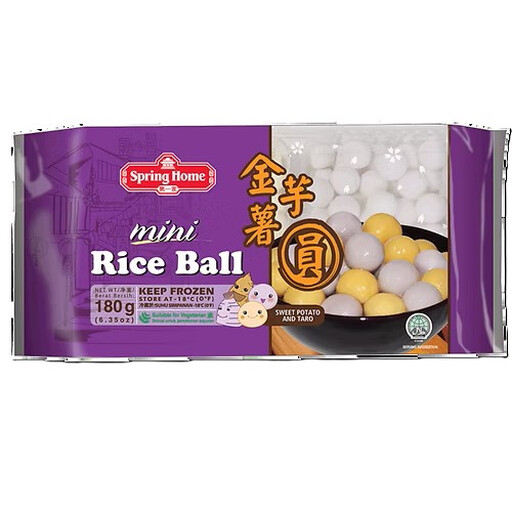
Why This Fits Their Persona: A practical choice for families or hosts who want to prepare traditional-style tang yuan in ginger syrup, red bean soup or dessert bowls.
The instructions specify boiling from frozen for 4–6 minutes, so buyers can distinguish this cooking product from ready-to-eat mochi.
Sweet potato and taro varieties in one pack; suitable for several dessert styles; frozen storage at -18°C or below.
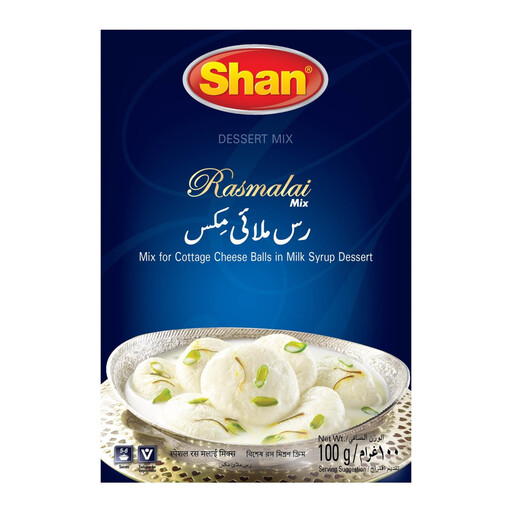
Why This Fits Their Persona: A South Asian dessert mix for festivals, family gatherings and shoppers who want a traditional dessert format with preparation at home.
The listing identifies milk, wheat and pistachio allergens and gives a cool, dry storage instruction, making it easier to assess suitability.
Includes milk solids, pistachio and saffron; suitable for a dessert prepared for multiple guests; halal information is provided in the listing.
We have compiled a complete, real-time list of products that fully satisfy these strict selection criteria and UK safety regulations.
Check for a recognised halal statement or certification, then review the ingredients for gelatine, alcohol-based flavourings and allergens. Formulations can change, so read the current packaging before consumption.
It depends on the product. Mochi-style konjac snacks and Turkish delight may be stored in a cool, dry place, while rice balls, steamed buns and frozen ice sticks require freezer storage. Cheesecake bites generally need refrigeration. Always follow the product label and do not refreeze food once thawed where the instructions prohibit it.
Some are suitable for children over three, but chewy rice balls, gummy sweets and lollipops can present choking risks. Check the age guidance, supervise young children and consider allergens before serving.