
24/7 Customer Support

Free returns

Same-day & Next-day Delivery

Quality Guaranteed

Unlock Your Welcome Offers: FREE Delivery | Up to 80% OFF | Free 30-day JoyPlus trial
Download the APP
Tired of the same old selection in the confectionery aisle? If you're looking to move beyond familiar chocolates and jellies, the world of Asian sweets offers a vibrant spectrum of new tastes and textures. From the bustling markets of Malaysia to the pop-culture-inspired treats of Japan, there's a whole universe of flavour waiting to be discovered.
As the Joybuy Product Recommendation Officer, my role is to help you navigate this exciting landscape. This guide is designed to introduce you to some unique international sweets and provide practical tips for choosing confectionery that you'll genuinely enjoy, all without the usual marketing jargon.
Venturing into the world of world food snacks can be thrilling, but knowing what to look for helps. Here are a few points to consider when selecting your next treat.
Look Beyond Sweetness: Many Asian sweets are celebrated for their complex flavour profiles. It's common to find a balance of sweet, salty, sour and even savoury notes in a single candy. Himalayan salt sweets, for example, often combine a mineral saltiness with citrus or mint for a refreshing experience. Don't be afraid to try combinations that sound unusual; they are often surprisingly harmonious.
Consider the Texture: The experience of eating a sweet isn't just about taste. Asian confectionery offers a huge variety of textures, from chewy rice cakes (mochi) and crunchy coated biscuits to hard candies and the fizzy sensation of popping candy. Reading the product description can give you a good idea of the mouthfeel to expect, whether it's a smooth, dissolving coffee candy or a playful, crackling lollipop.
Check the Ingredients: As with any food product, it's always wise to check the ingredients list, especially if you have allergies or dietary preferences. Some sweets may contain milk or soy, while others might use specific colourings. For instance, the Big Foot Doraemon Soft Drink Lollipop contains milk and the colour E102, which is noted to potentially affect activity and attention in children. Being informed helps you make a choice that's right for you.
Here are a few distinctive Asian sweets that offer a great introduction to the category, each with its own unique character.
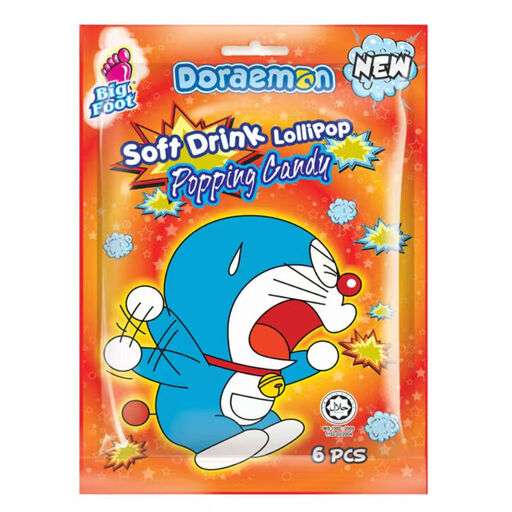
Why It Stands Out: This Doraemon lollipop is more than just a sweet; it's an experience. Combining the fun of a character-themed treat with the surprising crackle of popping candy, it delivers a multi-sensory treat. The flavours—Lemonade, Cola and the less common Sarsi—mimic popular soft drinks, offering a fizzy, tangy taste that's both nostalgic and novel.

Why It Stands Out: A popular example of Malaysian sweets, this hard candy is crafted for a more grown-up palate. It uses Himalayan pink salt to create a unique four-stage flavour journey: first minty, then sweet, followed by a zesty acidity from lemon and finishing with a distinct saltiness. The addition of ginger provides a gentle, warming undertone. It's positioned as a "sports candy" intended to refresh the throat and help with hydration.

Why It Stands Out: For coffee lovers, Kopiko coffee candy is a household name across Asia. This isn't just a coffee-flavoured sweet; it's made with real coffee extract from Indonesian beans. The cappuccino version perfectly balances the robust bitterness of coffee with the creamy sweetness of milk, capturing the essence of the café beverage in a pocket-sized hard candy. It's the ideal pick-me-up for a mid-afternoon slump.
exotic candy.The products featured here are just a small glimpse into the vast and flavourful world of Asian confectionery. If you're curious to discover more, from chewy and fruity to savoury and crunchy, there are many other options to explore.
Browse our full selection of snacks and confectionery to find your next favourite treat.
Beyond the hard candies and lollipops mentioned, popular categories include mochi (soft, chewy rice cakes often filled with bean paste or fruit), Pocky (biscuit sticks coated in chocolate or other flavours), fruit jellies in portable pouches and various rice crackers with sweet and savoury glazes.
While some larger supermarkets have a growing world food section, online retailers often provide a much wider and more curated selection. Platforms like Joybuy allow you to explore and purchase a diverse range of international sweets from different countries and have them delivered directly to your home.
While there's huge diversity, a general distinction is the complexity of flavours. British sweets often focus on singular, strong notes like sweet, chocolatey, or fruity. Asian sweets frequently layer flavours, incorporating salty, sour, umami or botanical notes (like ginger or mint) alongside sweetness for a more balanced and often less intensely sugary result.