
24/7 Customer Support

Free returns

Same-day & Next-day Delivery

Quality Guaranteed

Unlock Your Welcome Offers: FREE Delivery | Up to 80% OFF | Free 30-day JoyPlus trial
Download the APP
Asian tea covers a wide range of flavours, formats and preparation styles, from delicate jasmine infusions to concentrated Korean jujube tea. The right choice depends on how you plan to drink it, how much preparation you want to do and which ingredients suit your routine.
For UK shoppers, the main challenge is separating useful product information from vague claims about “wellness”, “detox” or “natural energy”. A practical buying decision starts with the label, serving format and storage requirements rather than the marketing language.
A jar of tea preserve or concentrate is not prepared in the same way as loose leaf tea or tea bags. Concentrates are designed to be mixed with water, while loose leaf tea requires steeping and usually a strainer, infuser or teapot.
A concentrate can be convenient for an office kitchen or quick drink before a lecture, but it may contain added sugar. For example, Ottogi Jujube Tea contains 100% jujube extract and lists 65g of sugars per 100g. Honey-refined peach oolong tea contains peach pulp, oolong leaves, honey and sugar, with 55g of sugars per 100g. These are important details if you are monitoring sweetness or comparing cost per serving.
Herbal beverages can contain active botanical ingredients. Dalgety Effective Slimline Tea includes senna, peppermint, ginger root, lemongrass, hibiscus and other herbs. The product information specifically advises moderation because senna has natural laxative properties.
This type of tea should not be treated as an everyday weight-management solution or a medical product. Read the ingredients and safety information carefully, particularly if you are pregnant, taking medication or managing an existing health condition.
Terms such as jasmine tea, ginger tea and peach oolong tea describe flavour or tea type, but not necessarily the brewing method. Before ordering, check whether the product is supplied as:
Look for a clear ingredient list and allergen statement. Plain Pu'er tea, jasmine tea and oolong tea products may contain only tea leaves, while flavoured products can include fruit pulp, honey, sugar, acidity regulators or other ingredients.
If you want a simple beverage, a short ingredient list is easier to assess. If you prefer a sweeter drink, a concentrate such as peach oolong or Korean jujube tea may offer more flexibility, but compare the nutritional panel before using generous spoonfuls.
Tea made from Camellia sinensis, including Pu'er, jasmine and oolong tea, naturally contains caffeine. The amount can vary with the leaf, serving size, water temperature and steeping time. Product listings do not always provide a precise caffeine figure, so avoid assuming that a tea is caffeine-free based only on its flavour.
For an evening drink or a caffeine-free tea option, consider an herbal infusion and check the full ingredients. Caffeine-free does not mean ingredient-free: botanical blends still need to be assessed for personal suitability.
A 1kg jar may offer practical value for households that drink tea regularly, but it needs adequate cupboard or fridge space after opening. Concentrates often require refrigeration once opened, while loose leaf tea should be kept sealed away from moisture, heat and direct sunlight.
For occasional use, a 40g tea-bag pack may create less waste. For shared homes, offices or frequent study sessions, 200g loose leaf packs and 500g concentrates may be more convenient. Always follow the product’s printed best-before date and storage instructions.
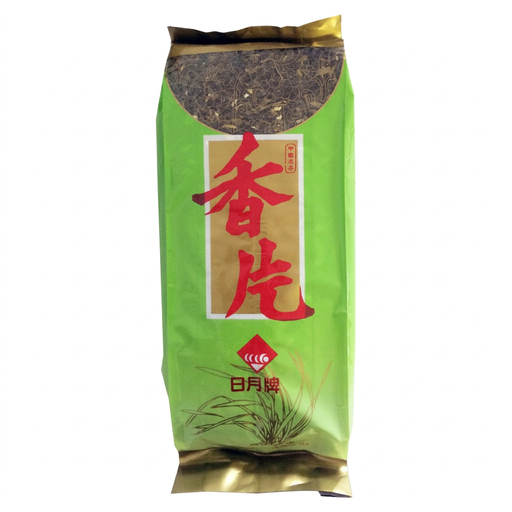
Why This Fits Their Persona: A 200g pack gives new tea drinkers a straightforward way to explore floral jasmine tea for hot or iced preparation at home, in a university kitchen or at work.
It is presented as tea leaves scented with jasmine blossoms, making the flavour profile and preparation style easier to understand than a vague flavoured-drink label.
A 200g format; suitable for hot or iced tea; no added allergens are listed in the product information.
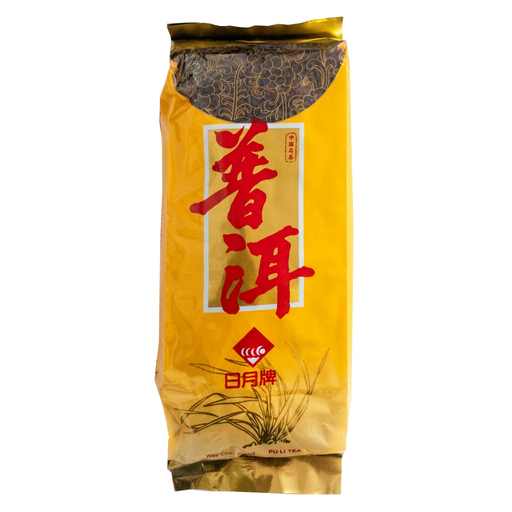
Why This Fits Their Persona: This is a suitable match for shoppers seeking a traditional Chinese tea with an earthy, mellow profile for slower preparation and focused drinking.
The listing identifies it as a 200g Pu'er tea with no added ingredients or allergens listed, rather than presenting it as a multi-purpose wellness product.
All-natural tea with no other ingredients listed; can be served hot or iced.
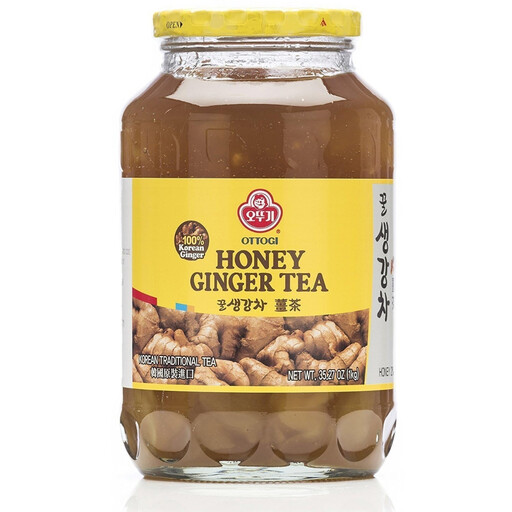
Why This Fits Their Persona: The 1kg pack is designed for regular household, office or shared-use consumption, with a warming ginger flavour that can be served hot or cold.
The ingredient list identifies ginger as the sole ingredient, helping shoppers avoid blends with unlisted flavourings or unnecessary additives.
Generous 1kg size; can be served hot or iced; suitable for customising with lemon or honey.
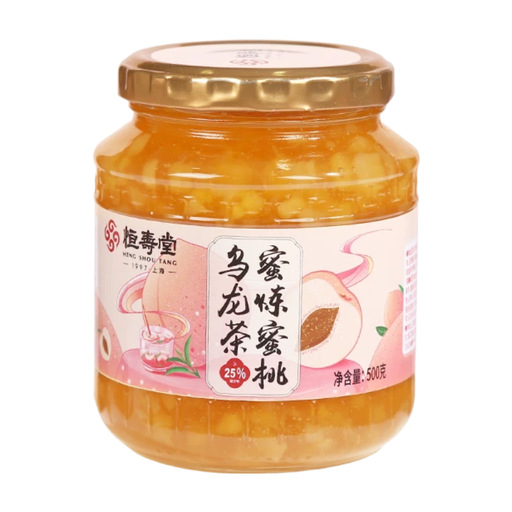
Why This Fits Their Persona: A practical option for shoppers who want a quick peach oolong tea drink without measuring loose leaves for every cup.
It is clearly described as a concentrate containing peach pulp, oolong leaves, honey and sugar, so shoppers can make an informed choice about sweetness.
500g glass jar; visible peach pulp; usable in hot or cold drinks, desserts or as a spread.
For a traditional Korean-style tea concentrate, Ottogi Jujube Tea 1KG is made with jujube extract and can be mixed with approximately 200ml of hot or cold water. It is naturally sweet, so check the nutrition panel and refrigerate after opening as directed.
For a caffeine-free tea format, Dalgety Effective Slimline Tea 40g is supplied in tea bags and contains a blend including senna. This makes ingredient and usage guidance particularly important; do not select it solely because of weight-management wording.
You can also compare Tieguanyin oolong tea with jasmine, Pu'er and ginger options if you prefer a leaf-based brewing routine. The most suitable choice is the one whose ingredients, format, serving size and storage requirements match your actual habits.
We have compiled a complete, real-time list of products that fully satisfy these strict selection criteria and UK safety regulations.
Plain tea leaves and many herbal infusions can form part of a varied diet, but suitability depends on the ingredients and your personal circumstances. Check caffeine content where available, and be cautious with blends containing senna or other botanicals with specific usage warnings.
It depends on the pack price, serving size and how much tea you use per cup. Loose leaf tea may offer more control over strength and reduce individual sachet packaging, while tea bags are often more convenient. Compare the number of servings rather than judging value from pack weight alone.
Follow the product label. Concentrates commonly need to be kept tightly sealed and refrigerated after opening. Use a clean spoon, avoid moisture entering the jar and check the printed best-before information before use.