
24/7 Customer Support

Free returns

Same-day & Next-day Delivery

Quality Guaranteed

Unlock Your Welcome Offers: FREE Delivery | Up to 80% OFF | Free 30-day JoyPlus trial
Download the APP
Asian tea drinks cover a wide range of flavours, formats and sweetness levels, from bottled green tea and oolong tea drink to Chinese herbal tea, Korean tea drink and instant ginger sachets. For UK shoppers, the main challenge is not finding a large selection; it is identifying which products suit everyday hydration, work breaks, family stocking or a caffeine-free evening routine.
Marketing language can make similar-looking drinks appear interchangeable. Before adding a tea multipack to your basket, check the information that affects taste, sugar intake, storage and convenience.
Some bottled tea drinks are unsweetened, while others contain sugar, glucose-fructose syrup or sweeteners. A floral name such as jasmine tea or chrysanthemum tea does not automatically indicate a low-sugar recipe.
Always check:
For example, a 500ml jasmine drink containing 4.0g of sugar per 100ml provides approximately 20g of sugar per bottle. By contrast, an unsweetened green tea listing 0g sugar per 100ml is a different choice for regular hydration.
Terms such as “cooling”, “detox” or “wellness” can describe cultural traditions or marketing positioning rather than an established health effect. Chinese herbal tea and Korean tea drink varieties may offer distinctive flavours, but they should not be treated as medical or therapeutic products.
Read the ingredient list carefully, especially if you have allergies, dietary restrictions or take regular medication. Products containing senna, for instance, require particular care and should not be selected as an everyday drink without checking the label and relevant health advice.
A low unit price can be misleading if you cannot use the product before opening quality declines. Large bottles are practical for sharing, but they generally need refrigeration after opening. Cans, cartons and 500ml bottles are easier for individual use, school bags or office fridges.
Check:
For a straightforward comparison, use the nutrition panel per 100ml rather than relying on front-of-pack wording.
Suitable options vary by preference:
“Contains sweeteners” is also worth noting. Huierkang Winter Melon Tea Drink contains sweeteners and provides 9kcal per 100ml, making it different from a sugar-free tea.
Green tea, jasmine tea, oolong tea and Pu Erh tea naturally differ in aroma, strength and caffeine content. If caffeine matters to you, look for clear product information rather than assuming a drink is caffeine-free.
For an evening routine, herbal tea bags may be more appropriate than a brewed green or oolong drink. Ginger tea, chamomile blends and other herbal infusions can provide varied flavours without the same tea-leaf profile. However, ingredients still matter: Pukka Night Time includes oats, and Dalgety Effective Slimline Tea contains senna leaves.
Choose the format around how you intend to drink it:
In the UK, retain the original packaging so you can check ingredients, allergens, best-before information and storage guidance.

Why This Fits Their Persona: A 15-bottle case gives households, students and office workers a ready-to-drink jasmine tea option without individual shopping trips.
The listing states the sugar and calorie content clearly, helping shoppers distinguish its lightly sweetened recipe from unsweetened tea.
500ml ready-to-drink bottles; 15 bottles per case; jasmine and green tea ingredients.

Why This Fits Their Persona: Suits shoppers seeking a robust tea flavour in a portable bottle, with no brewing equipment required at home, work or while travelling.
Its listed nutrition panel records 0g sugar, 0 calories and 0g fat per 100ml, rather than relying only on front-label wording.
500ml bottles; 15-bottle multipack; oolong tea leaves listed as an ingredient.
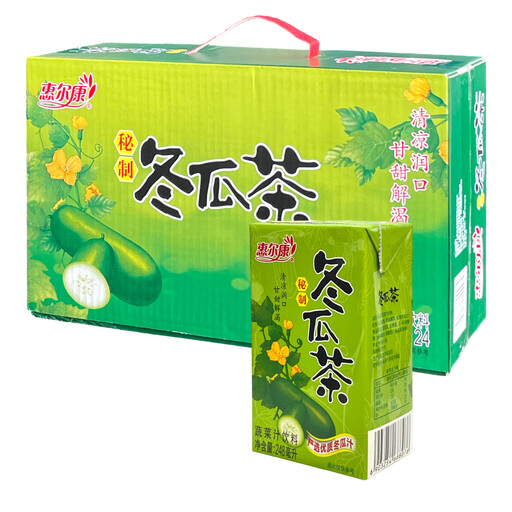
Why This Fits Their Persona: The compact carton format works for meal service, family gatherings and shoppers who prefer individual portions rather than opening a large bottle.
The listing identifies winter melon juice, sugar and sweeteners, so buyers can assess the recipe instead of assuming the traditional name means unsweetened.
24 individual 248ml cartons; listed at 9kcal per 100ml; suitable chilled or at room temperature.
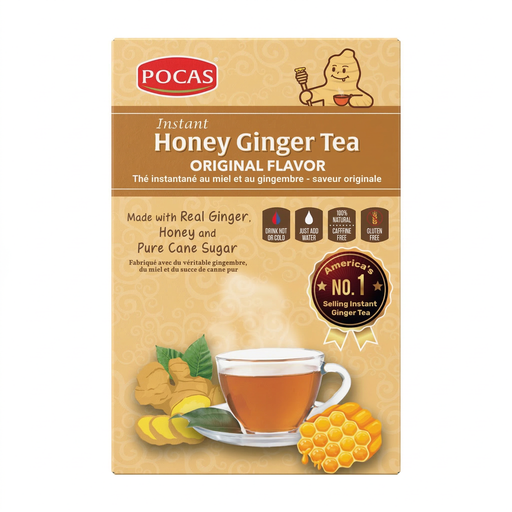
Why This Fits Their Persona: Individual sachets are convenient for a hot drink at home or in an office with access to a kettle, particularly when bottled drinks are not suitable.
It is clearly presented as an instant, sweetened drink requiring hot water, avoiding confusion with unsweetened herbal tea bags.
10 individually portioned 18g sachets; contains 15% ginger powder; prepared with 150–200ml of hot water.
Shoppers looking for a broader flavour selection may also consider:
We have compiled a complete, real-time list of products that fully satisfy these strict selection criteria and UK safety regulations.
They can form part of a varied drinks routine, but the nutritional profile differs considerably. Compare sugar, caffeine and serving size, and remember that plain water remains a simple hydration option. Unsweetened green tea or zero-sugar oolong tea may suit shoppers limiting sugar, while sweetened herbal drinks are better treated as flavoured beverages.
Follow the product label. Many products advise refrigerating after opening and consuming within 24 hours, while the Woongjin 1.5L listing states that it should be consumed within three days after opening. Do not consume a bottle that is swollen, leaking or visibly damaged.