
24/7 Customer Support

Free returns

Same-day & Next-day Delivery

Quality Guaranteed

Unlock Your Welcome Offers: FREE Delivery | Up to 80% OFF | Free 30-day JoyPlus trial
Download the APP
Asian tea drinks offer far more choice than standard iced tea. UK shoppers can find unsweetened green tea, full-bodied oolong tea, fruit-flavoured bottles, traditional herbal tea, milk tea and concentrated tea preserves. That variety is useful, but it also makes it easy to buy a drink that does not suit your taste, storage space or everyday budget.
This guide explains what to check before ordering, how to compare ready-to-drink tea formats and which options may fit different shopping needs.
A tea-based drink may still contain a substantial amount of sugar. Fruit tea, lemon tea, peach tea and herbal tea beverages often include sugar, fruit concentrate or syrup. For example, the listed nutrition information for Nongfu Spring Tea π Peach Oolong Tea shows 9.8g of sugars per 100ml, while Vita Lemon Tea lists 10.8g per 100ml.
This does not make these drinks unsuitable, but it means shoppers should check the nutrition panel rather than relying on terms such as “refreshing”, “natural” or “fruit”.
Zero-sugar tea is usually designed around the flavour of brewed tea rather than sweetness. Green tea can taste crisp or grassy, while oolong tea tends to have a deeper, roasted or earthy character. Some products use sweeteners or other permitted additives to adjust the flavour, so read the ingredient list if you prefer a simple formula.
A 24-can herbal tea case or a 15-bottle Asian drinks multipack can offer convenient stocking for a family, office or event. However, large quantities require cupboard space and careful rotation. Cartons, PET bottles and cans also differ in portability, opening convenience and how quickly they should be consumed after opening.
Compare nutrition per 100ml first, then consider the total bottle or can size. A 500ml bottle contains five times the listed per-100ml amount. For shoppers looking for a lower-sugar option, the available listings include:
By comparison, milk tea and fruit-flavoured drinks are generally sweeter and more substantial. Check allergens where relevant: Uni-President Assam Milk Tea lists milk, wheat and gluten among its allergen information.
The tea base gives a useful indication of what to expect:
If you prefer a traditional brewed-tea character, an unsweetened green or oolong tea may be more suitable than a sweet fruit drink. If you want a softer introduction to Chinese tea beverages, peach tea or lemon tea can be easier to enjoy chilled.
For work bags, school lunches or commuting, 250ml to 500ml bottles and cartons are easy to portion. Larger 1.25L bottles are more suitable for sharing at home or serving with meals. Multipacks reduce the need for repeat orders but should be stored in a cool, dry place away from direct sunlight.
Always follow the packaging instructions. Several products advise refrigeration and prompt consumption after opening. Do not use a bottle or can if the seal is broken or the packaging is damaged.

Why This Fits Their Persona: A straightforward entry point for shoppers who enjoy a sweet, fruity bottled tea without preparing tea at home. The 500ml size suits chilled breaks, packed lunches and on-the-go refreshment.
Its listed nutrition information makes the sugar level clear, helping buyers avoid assuming that peach flavour means a low-sugar formula.
500ml ready-to-drink bottle; combines oolong tea extract with peach juice concentrate.

Why This Fits Their Persona: Suitable for adventurous Asian food enthusiasts seeking a more layered flavour than conventional sweet iced tea.
The product description clearly identifies bitter melon, lemon and oolong, so shoppers can anticipate a distinctive, lightly bitter profile rather than a standard fruit drink.
450ml bottle; includes listed bitter melon juice, oolong tea and lemon juice.

Why This Fits Their Persona: A practical case-pack option for offices, households, students or customers who regularly choose unsweetened tea.
The listed nutrition panel specifies 0g sugar and 0 kcal per 100ml, avoiding ambiguity around sweetened tea.
15 x 500ml bottles; zero sugar, zero fat and zero calories as listed.
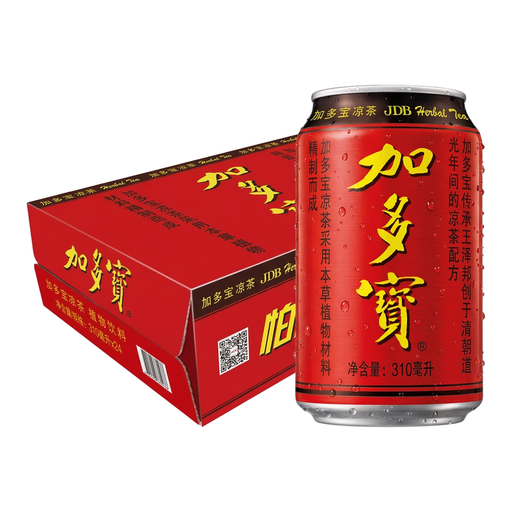
Why This Fits Their Persona: The 24-can format is suited to family cupboards, festivals, shared meals and larger gatherings where individual portions are convenient.
The listing identifies the traditional herbal ingredients and provides per-100ml nutrition information, including 5.0g sugars.
24 x 310ml cans; ready to drink and suitable for serving with meals.
We have compiled a complete, real-time list of products that fully satisfy these strict selection criteria and UK safety regulations.
For a classic sweet option, Vita Lemon Tea 24 x 250ml provides individual cartons with black tea extract and lemon juice from concentrate. For a creamy drink, Uni-President Assam Milk Tea 600ml x 24 offers a case of larger bottles, although its milk, wheat and gluten allergen information should be checked carefully.
Shoppers looking for a Korean-style fruit option may prefer Dooraewon Passion Fruit Tea 570g. This is a concentrated product rather than a ready-to-drink bottle, so it needs to be mixed with hot or cold water. Similarly, Hengshoutang Honey-Refined Peach Oolong Tea 500g is a jarred concentrate containing peach pulp, oolong tea leaves, sugar and honey.
Many are. Bottled tea, canned herbal tea and cartons such as lemon tea are designed to be served directly, usually chilled. Concentrated products, including passion fruit tea and peach oolong tea preserve, need dilution and are not equivalent to ready-to-drink tea.
Follow the product label. Several listings advise refrigerating opened drinks and consuming them promptly, with some specifying a period such as 12 or 24 hours. Unopened products should be stored according to the packaging and checked against the best-before information.
Zero-sugar options may suit shoppers limiting sugar in their drinks, but “zero sugar” does not mean caffeine-free or suitable for every dietary need. Check the full ingredient list, caffeine information where provided, additives and any personal dietary requirements before purchase.