
24/7 Customer Support

Free returns

Same-day & Next-day Delivery

Quality Guaranteed

Unlock Your Welcome Offers: FREE Delivery | Up to 80% OFF | Free 30-day JoyPlus trial
Download the APP
Asian tea drinks cover a wide range of flavours, formats and ingredient profiles, from Chinese herbal tea and chrysanthemum tea to Japanese oolong tea, Korean herbal tea and ready-to-drink tea multipacks. That variety is useful, but it can also make online shopping confusing.
A colourful label may suggest a traditional recipe while the drink contains substantial added sugar. A large multipack may look economical but be unsuitable if you have limited storage space. Tea described as “refreshing” may also contain caffeine, which matters if you are choosing a drink for late-night study or work.
This guide highlights the practical details to check before buying Asian tea drinks in the UK, followed by recommendations matched to different shopping needs.
“Herbal” describes the ingredients and style of infusion; it does not automatically mean sugar-free. Some Chinese herbal tea beverages contain sugar for a lightly sweet, smooth taste. Vita Chrysanthemum Tea, for example, lists 10.0g of sugars per 100ml, while the 250ml carton contains approximately 25g of sugar based on the stated nutrition information.
By contrast, Nongfu Spring Oriental Tree Leaf Green Tea lists 0g sugar and 0 calories per 100ml. Always compare the nutrition panel rather than relying on terms such as “natural”, “traditional” or “cooling”.
Ready-to-drink tea is convenient for lunchboxes, commuting and meals, but bottles and cans need sensible storage. A 24-can herbal tea multipack may suit a family or shared household, while a single 1.5L or 2L bottle may be more practical for the fridge.
Check the storage instructions before ordering. Several products should be refrigerated after opening and consumed within 24 hours, while larger bottles such as Woongjin Purple Corn Silk Tea advise refrigeration and consumption within three days after opening.
Chinese green tea, oolong tea, black tea and Japanese tea generally contain tea leaves, so they may provide caffeine. Herbal infusions made from flowers, leaves or fruit ingredients may be caffeine-free, but this depends on the recipe.
For evening use, inspect the ingredient list and any stated caffeine information. English Tea Shop Organic Perfect Peppermint, for instance, lists 0mg caffeine and contains peppermint and spearmint rather than traditional tea leaves.
Compare nutrition per 100ml, then calculate the amount in the full bottle, can or carton. This is particularly important with sweetened iced tea, fruit tea concentrates and milk tea powders.
Examples from the available range include:
Look for the main ingredient rather than relying solely on the product name.
Choose the format around your routine:
Also check the country of origin, importer or responsible person details, best-before information and allergen declarations on the UK product packaging.
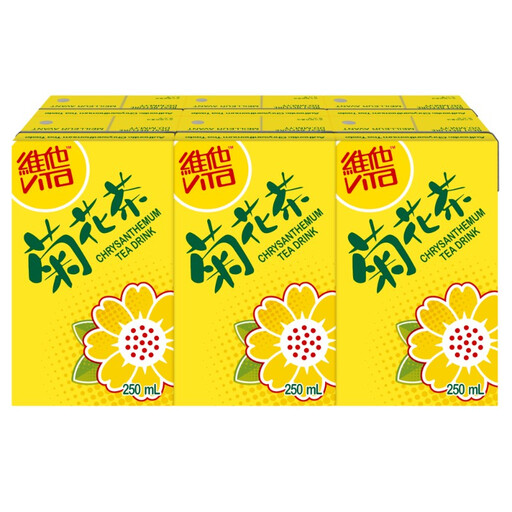
Why This Fits Their Persona: Six compact cartons are manageable for a first purchase, packed lunches or keeping a few chilled drinks available at home.
The clearly stated 250ml serving makes sugar comparison straightforward. It should not be confused with an unsweetened tea, as the ingredients include white sugar.
Ready to drink; floral chrysanthemum flavour; zero fat; suitable for serving chilled with meals.
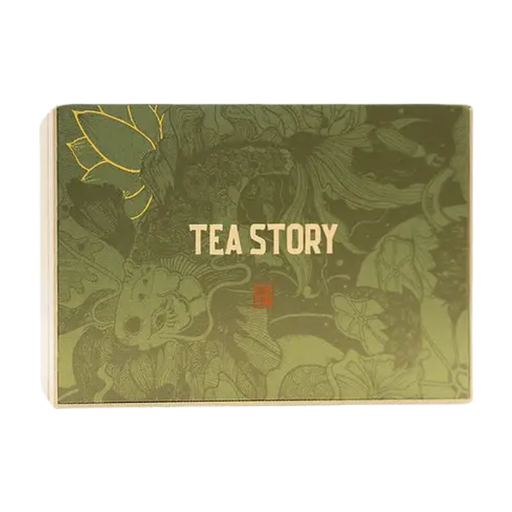
Why This Fits Their Persona: The Wuyi Mountain loose-leaf oolong is presented in 12 tins, making it suitable for gifting, tasting sessions or measured brewing at home.
It is loose-leaf tea rather than a vague ready-to-drink flavour description, so buyers can control water temperature, strength and serving size.
Oolong tea ingredient; 192g total quantity; 12 individual 16g tins; gift-box format.

Why This Fits Their Persona: The 15-bottle pack provides a regular supply for offices, student households, family fridges or frequent iced tea drinkers.
The listing states 0g sugar, 0 calories and 0g fat per 100ml, helping shoppers distinguish it from sweetened iced tea.
500ml ready-to-drink bottles; Chinese green tea leaves; 7.5L total volume; suitable chilled or at room temperature.
For a large household bottle, Kobe Sabou Oolong Tea PET 2L is listed as sugar-free and calorie-free. Pokka Oolong Tea No Sugar 500ml x 3 offers smaller bottles and a roasted tea profile. If you prefer caffeine-free tea bags, Pukka Chamomile Vanilla & Manuka Honey and English Tea Shop Organic Perfect Peppermint provide herbal alternatives.
Korean-style options include Woongjin Purple Corn Silk Tea 1.5L, while Dooraewon Passion Fruit, Citron and Lemon Tea concentrates allow you to prepare hot or iced tea with adjustable dilution. For a traditional sweetened multipack, consider comparing the stated sugar levels of Herbal Tea Can 24 x 310ml and WALOVI Herbal Tea 310ml x 24 before ordering.
We have compiled a complete, real-time list of products that fully satisfy these strict selection criteria and UK safety regulations.
Not always. Unsweetened options include some Chinese green tea and Japanese or Japanese-style oolong tea products. However, chrysanthemum tea, lemon tea, herbal tea cans and fruit concentrates often contain added sugar. Check both the ingredient list and sugar per 100ml.
Herbal infusions labelled caffeine-free, such as peppermint or chamomile products, may suit evening routines. Traditional green tea, oolong tea, black tea and milk tea can contain caffeine, so check the product information if caffeine intake is important to you.
This varies by product. Some cartons and bottles advise refrigeration and consumption within 24 hours, while Woongjin Purple Corn Silk Tea states up to three days after opening. Follow the storage instructions on the packaging and do not consume cans or bottles that are swollen, leaking or visibly damaged.