
24/7 Customer Support

Free returns

Same-day & Next-day Delivery

Quality Guaranteed

Unlock Your Welcome Offers: FREE Delivery | Up to 80% OFF | Free 30-day JoyPlus trial
Download the APP
Asian tea drinks cover a wide range of flavours and formats, from ready-to-drink Asian tea in bottles and cans to Chinese herbal tea, fruit infusions and green tea bags for home brewing. For UK shoppers, the challenge is often separating a genuinely suitable drink from packaging that makes vague promises about refreshment, tradition or wellness.
Before buying, focus on the information that affects everyday use: sugar content, serving format, ingredients, pack size and storage instructions. These details are more useful than phrases such as “cooling”, “natural” or “premium” when deciding whether a product will suit your household, office or student routine.
A tea-based beverage can contain considerable added sugar. For example, a bottled or canned tea may list sugar, fructose, glucose or fruit juice concentrate among its ingredients. A product labelled “herbal tea” may also be sweetened.
Compare the nutrition panel per 100ml and consider the full bottle or can. Suntory Oolong Tea – Zero Sugar lists 0g sugar and 0 kcal per 100ml, while the low-sugar version lists 4.7g sugar and 20 kcal per 100ml. “Low sugar” and “zero sugar” are not interchangeable descriptions.
Chrysanthemum, honeysuckle, liquorice root and other herbs are commonly associated with traditional Asian beverage culture. However, terms such as “heat relief” or “cooling tea” describe cultural positioning and drinking preferences, not medical outcomes. They should not be treated as evidence that a drink prevents, treats or cures a health condition.
If you have allergies, dietary restrictions or concerns about particular botanicals, read the complete ingredients list and seek appropriate professional advice where necessary.
A 24-can case can offer convenient cupboard storage, but it is less flexible if you are unfamiliar with the flavour. Herbal tea drinks may combine sweet, bitter, floral and liquorice notes. Fruit tea drinks can also vary significantly depending on the amount of juice, flavouring and tea extract used.
For a first purchase, a smaller six-pack, single bottle or tea caddy may be more practical. Once you know your preferred flavour, larger formats can make sense for shared homes, offices or gatherings.
UK food labels list ingredients in descending order by weight. If sugar, syrup or concentrated juice appears near the beginning, the drink is likely to taste noticeably sweet. Check both the ingredient list and nutrition table rather than relying on front-of-pack wording.
For comparison:
These figures are not interchangeable, so calculate the likely intake from the complete serving size.
Choose ready-to-drink tea when convenience matters. Bottled tea and canned herbal tea can be chilled and opened at work, on public transport or during outdoor activities. Check whether the product must be refrigerated after opening and consumed within 24 hours.
Tea bags and loose-leaf products require preparation but offer more control over strength and sweetness. The Yuming green tea bag products are suitable for brewing at home, while TEA STORY Peach Oolong Tea can be infused hot or cold. Cold brewing can be useful for preparing a larger jug in the fridge, although always follow the product’s instructions.
A 450–580g fruit tea concentrate or caddy is not the same as a 250ml carton or 500ml bottle. Confirm whether the product is a concentrate, tea leaves, a tea bag product or a ready-to-drink beverage.
For larger Asian beverages multipacks, consider:
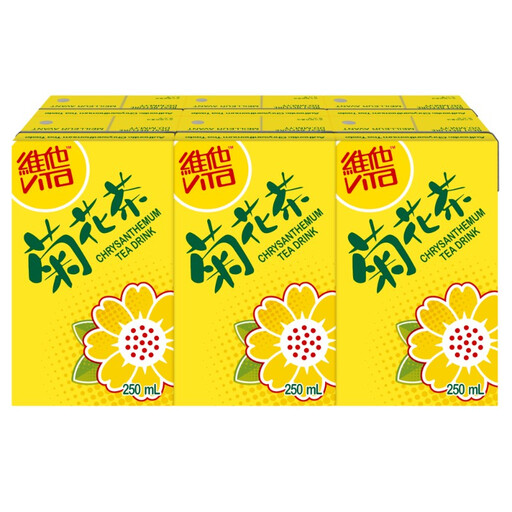
Why This Fits Their Persona: The six-carton format lets students, first-time buyers and smaller households try a floral chrysanthemum tea without committing to a large case.
The stated 250ml serving size and 10.0g sugar per 100ml make sweetness easier to assess before purchase.
Six individual cartons; ready to drink; designed for chilled serving.
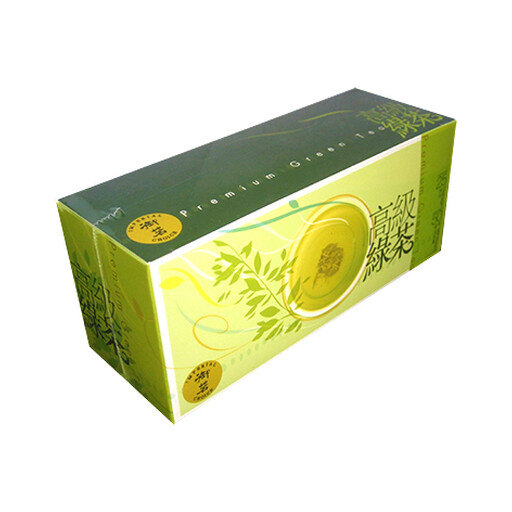
Why This Fits Their Persona: Tea drinkers who prefer brewing at home can adjust the strength and enjoy a simple green tea profile without added flavour ingredients.
It is sold as a brewing product rather than a sweetened bottled tea, so preparation and ingredients are clear.
50g tea-bag format; no additional ingredients listed; suitable for a personal tea routine.

Why This Fits Their Persona: A 15-bottle case is practical for shared fridges, packed lunches and regular office use where individual portions matter.
The product information specifies zero sugar and zero calories per 100ml, avoiding ambiguity around “lightly sweetened” wording.
500ml bottles; ready to drink; listed ingredients include oolong tea leaves and no added sugar.
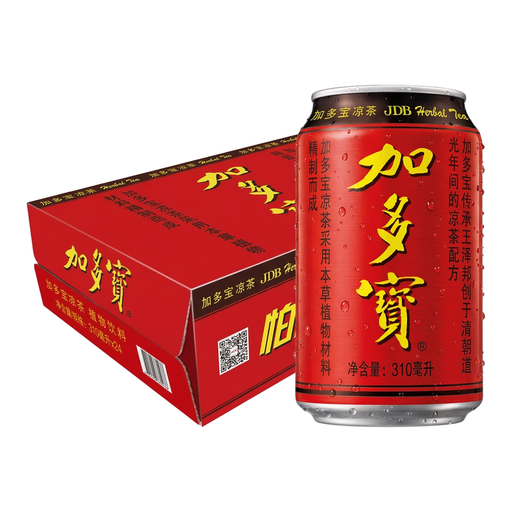
Why This Fits Their Persona: Families, event hosts and regular drinkers may value a full case of individually portioned canned herbal tea for meals and gatherings.
The 24 × 310ml quantity and stated 5.0g sugar per 100ml provide clear information for budgeting and portion planning.
24 cans; ready-to-drink format; ingredients include chrysanthemum, liquorice root and honeysuckle.
Different preferences may call for different formats. Consider Dooraewon Lemon Tea 580g or Dooraewon Passion Fruit Tea 570g if you want a sweet fruit tea base for preparing at home. For a fruity bottled tea, Nongfu Spring Peach Oolong Tea is supplied as 15 × 500ml bottles. TEA STORY Peach Oolong Tea is a loose-leaf option with instructions for hot infusion or cold brewing.
Those seeking a more distinctive fruit and tea combination can compare KAI TEA Bitter Melon Lemon Tea or KAI TEA Kale Oolong Tea. For traditional Chinese herbal tea, WALOVI and Jia Duo Bao formats are available in bottles, cans and multipacks. Check the sugar values carefully, as recipes differ between products.
We have compiled a complete, real-time list of products that fully satisfy these strict selection criteria and UK safety regulations.
It depends on the product’s sugar, caffeine and ingredient profile, as well as your individual dietary needs. Compare the nutrition panel and serving size, and vary your choices where appropriate. Herbal drinks are not automatically sugar-free or caffeine-free.
The listed Suntory Oolong Tea – Zero Sugar provides 0g sugar and 0 kcal per 100ml. The low-sugar oolong version contains 4.7g sugar per 100ml, so it may suit shoppers seeking a lighter sweetness rather than a sugar-free drink. Always check the current packaging before purchase.
Follow the storage instructions on the individual product. Several ready-to-drink products specify refrigeration and consumption within 24 hours after opening. Unopened drinks should generally be kept in a cool, dry place away from direct sunlight, unless the label states otherwise.