
24/7 Customer Support

Free returns

Same-day & Next-day Delivery

Quality Guaranteed

Unlock Your Welcome Offers: FREE Delivery | Up to 80% OFF | Free 30-day JoyPlus trial
Download the APP
Asian tea drinks cover a wide range of flavours, formats and sugar levels, from unsweetened green tea to sweetened fruit infusions and traditional Chinese herbal tea. For UK shoppers, the main challenge is not finding choice; it is identifying which drink matches your taste, caffeine preference, storage space and everyday budget.
Before adding a multipack or jar to your basket, watch for three common buying pitfalls.
A drink may be described as refreshing, light or natural while still containing added sugar. Sweetened chrysanthemum tea, passion fruit tea and herbal tea cans can be enjoyable with meals, but they are not equivalent to unsweetened green tea.
Always check the sugars per 100ml and consider the full container size. A 500ml bottle with 4g of sugar per 100ml contains 20g across the bottle, whereas a 250ml serving will contain less overall.
Traditional herbal infusions made from ingredients such as chrysanthemum, soursop leaves or senna may not contain tea leaves, but recipes vary. Oolong tea, green tea and fruit tea drinks containing tea leaves can contain caffeine, even when the packaging focuses on fruit or botanical flavours.
If caffeine matters to you, check the ingredient list and product information rather than relying on the word “tea” alone. For evening use, a clearly labelled caffeine-free herbal tea may be more suitable.
A 24-can case can offer convenience for a household, office or event, but it needs cupboard space and may tie you to one flavour. Once opened, ready-to-drink tea should generally be refrigerated and consumed promptly, following the packaging instructions.
For smaller households, a six-pack or individual bottle can reduce waste. For regular drinkers, a larger case may make more sense when the flavour and nutrition information suit your routine.
Compare products using the nutrition panel, not just front-of-pack wording. The reference products show significant variation:
These figures do not determine whether a drink is right for you, but they make comparisons more transparent. Choose unsweetened green tea or oolong tea when you prefer a cleaner, non-sweet taste. Choose fruit or herbal drinks when flavour is the priority.
Bottled green tea usually has a fresh, slightly grassy profile. Oolong tea tends to be fuller and more rounded, with an earthy taste that some drinkers may find less bitter than green tea. Fruit tea drinks often combine tea with juice, purée, flavouring or sweeteners.
Chinese herbal tea is a separate category from brewed tea. Drinks containing chrysanthemum, honeysuckle, liquorice root or other herbs are often enjoyed as traditional beverages with meals. However, traditional descriptions should not be treated as medical or therapeutic advice.
For caffeine-free choices, inspect the full ingredients. Tropical Sun Soursop Tea, for example, is listed as containing 100% soursop leaves and is described as caffeine-free. Dalgety Effective Slimline Tea contains senna and should be used cautiously and according to the packaging guidance; it is not an everyday substitute for ordinary hydration.
Select the format around your actual use:
Also check the country of origin, storage advice, allergen information and best-before details. UK food labels should provide the information needed to make a suitable choice, but imported products can still vary in format and translation, so reading the complete label remains worthwhile.
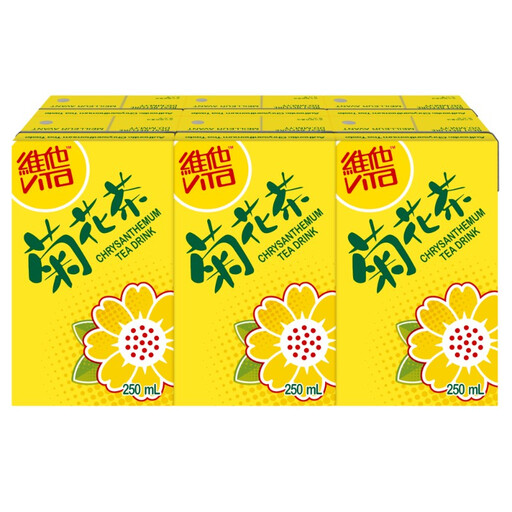
Why This Fits Their Persona: The six-pack offers a manageable way to try a familiar Chinese herbal beverage without committing to a large case. The 250ml format suits packed lunches, desk drawers and occasional meals.
The listed nutrition panel makes its sweetened profile clear: 10.0g sugar per 100ml. This helps first-time buyers avoid mistaking a flavoured drink for an unsweetened tea.
Six 250ml ready-to-drink cartons; light chrysanthemum flavour; zero fat according to the supplied product information.
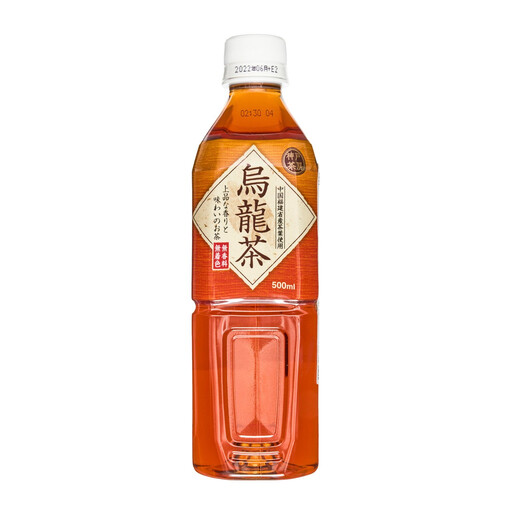
Why This Fits Their Persona: This Japanese-style ready-to-drink oolong tea suits shoppers who prefer a fuller, earthy flavour and a practical 500ml bottle for meals or travel.
The ingredients list contains water, oolong tea and vitamin C, while the nutrition panel lists 0g sugar and 0 calories per 100ml.
500ml PET bottle; no listed allergens; unsweetened profile; suitable for chilled serving or drinking with food.

Why This Fits Their Persona: Fifteen 500ml bottles provide a substantial supply for offices, student accommodation, family fridges or regular packed lunches.
Its stated nutrition values are 0g sugar, 0 calories and 0g fat per 100ml, so the unsweetened positioning is supported by the supplied label information.
15 x 500ml case; made with green tea; ready to drink; can be served chilled or at room temperature.
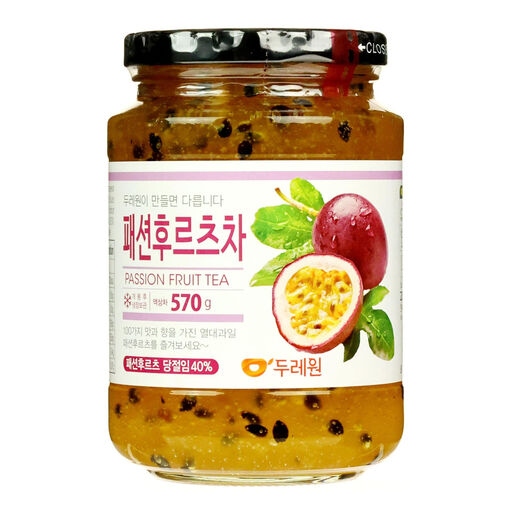
Why This Fits Their Persona: This Korean passion fruit tea offers a concentrated format for shoppers who enjoy preparing a fruit drink at home and adjusting the strength to taste.
The ingredients explicitly include passionfruit purée, sugar, fructose and passionfruit flavour, making it clear that this is a sweetened concentrate rather than unsweetened tea.
570g jar; Korean country of origin; fruit-forward flavour; flexible for hot or cold preparation according to personal preference.
We have compiled a complete, real-time list of products that fully satisfy these strict selection criteria and UK safety regulations.
Look for products labelled or listed as unsweetened, then confirm the nutrition panel. The supplied Nongfu Spring Oriental Tree Leaf Green Tea and KOBESABO Oolong Tea both list 0g sugar per 100ml. Check the label again when purchasing, as product formulations can change.
Keep unopened bottles and cans in a cool, dry place away from direct sunlight, unless the packaging states otherwise. Chilling is usually a serving preference. After opening, refrigerate the drink and consume it promptly, following the specific instructions on the product label.
They can reduce the cost per bottle or can, but value depends on how quickly your household consumes the product. Compare the total volume, unit price, sugar content and cupboard space required. A 15-bottle case may suit regular drinkers, while a six-pack or individual bottle can be more practical for occasional use.