
24/7 Customer Support

Free returns

Same-day & Next-day Delivery

Quality Guaranteed

Unlock Your Welcome Offers: FREE Delivery | Up to 80% OFF | Free 30-day JoyPlus trial
Download the APP
Asian vegetables can turn a quick midweek meal into a satisfying stir-fry, curry, soup or hot pot dish. However, choosing between fresh, frozen, vacuum-packed and tinned vegetables is not always straightforward. Pack size, preparation instructions, storage requirements and added ingredients can all affect value and usability.
This guide highlights the common buying traps to avoid, the specifications worth checking and a selection of convenient products suited to different UK households.
A 400g or 450g tin does not necessarily contain that amount of usable vegetables. Water or preserving liquid contributes to the gross weight, so check the net weight and drained weight where provided. This is particularly important when comparing tinned vegetables, bamboo shoots and mixed vegetables by price.
Some vacuum-packed or tinned vegetables are ready to add to a cooked dish, while others must be drained, rinsed and heated thoroughly. Chang Bamboo Shoot Tip Vacuum, for example, states that cooking is required. By contrast, some prepared bamboo shoot strips are labelled ready to eat.
Always read the usage instructions rather than relying on front-of-pack wording. This helps avoid serving a product raw when the packaging advises cooking.
Plain vegetables may contain only the vegetable and water, but seasoned stir-fry vegetables or pickled products can contain salt, sugar, flavour enhancers, wheat, soya or sulphites. Compare the ingredients list, allergen statement and salt per 100g before buying, particularly if you are cooking for children, vegetarians, vegans or anyone managing food allergies.
For stir-fry vegetables, texture is as important as flavour. Bamboo shoot strips, babycorn, beansprouts and mangetout can provide different levels of crunch, while frozen okra and edamame need cooking according to the pack instructions.
Check whether the vegetables are:
A short ingredients list makes it easier to adapt a product to your recipe. D’Aucy Carrots Extra Fine contains carrots and water, while edamame is listed as 100% soya beans in pods. More seasoned products may offer convenience but can contain higher levels of salt or added sugar.
Use the per 100g nutrition panel to compare products consistently. Remember that a tinned vegetable’s nutritional information may refer to the drained product, whereas a frozen product is usually listed as sold.
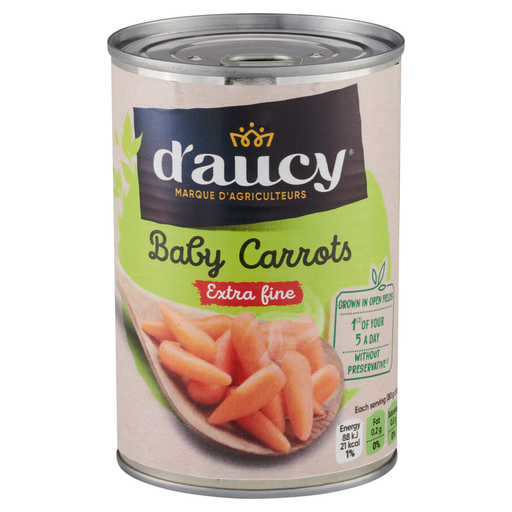
Why This Fits Their Persona: An ambient cupboard staple for shoppers building an affordable supply of convenient vegetables for stews, rice dishes and simple side dishes.
The ingredients are carrots and water, with no preservatives listed in the supplied product information. The 80g serving reference also makes portion planning clearer.
Ambient storage; 26 kcal per 100g of drained product; suitable for year-round cooking.
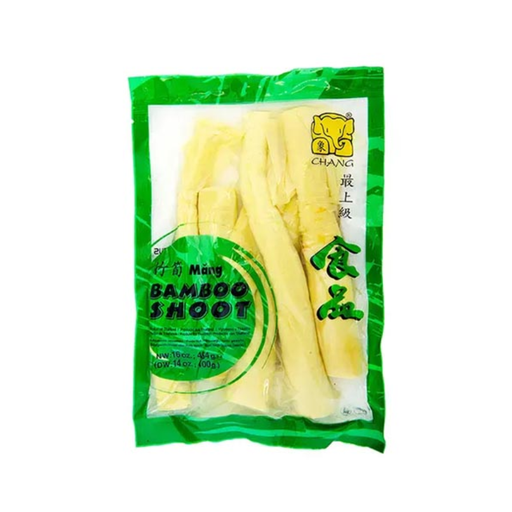
Why This Fits Their Persona: A practical choice for cooks who want bamboo shoots with a firm texture for hot pots, soups and carefully prepared stir-fries.
The packaging instructions clearly state that it is not ready to eat: drain and rinse before boiling, stir-frying or adding to soups.
Vacuum-packed format; 454g net quantity stated in the product details; no listed allergens.

Why This Fits Their Persona: Designed for busy families, meal preparation and vegan weeknight dishes where several vegetables are needed without chopping.
The blend lists its components, including peppers, beansprouts, mushrooms, mangetout, babycorn, bamboo shoots and cloud ear fungus. It is cooked from frozen rather than requiring separate preparation.
500g pack; suitable for vegans; approximately six portions according to the supplied information.
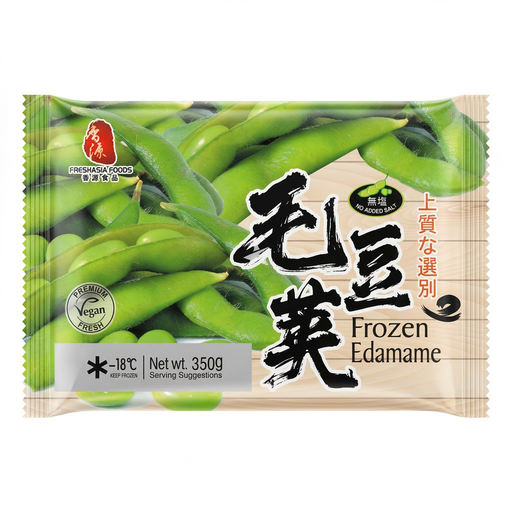
Why This Fits Their Persona: Suitable for vegetarians and vegans seeking a freezer ingredient for salads, rice bowls, appetisers and stir-fry vegetables.
The ingredients list states 100% edamame, while the instructions specify cooking from frozen for four to five minutes. The soya allergen is clearly identified.
350g frozen pack; 11.9g protein per 100g in the supplied nutrition information; no added ingredients listed.
We have compiled a complete, real-time list of products that fully satisfy these strict selection criteria and UK safety regulations.
Yes. Tinned vegetables can be added to stir-fries, soups, curries and hot pots. Bamboo shoots, carrots and peas are particularly adaptable. Drain them first and check the salt content, as preserving liquid and seasoned varieties can affect the final flavour.
Frozen vegetables can reduce washing, trimming and chopping. Products such as frozen edamame, sliced okra and mixed vegetables can be cooked from frozen, although cooking times and methods vary. Keep the freezer at -18°C or below and avoid refreezing thawed products.
Follow the label first. Several products in this guide advise transferring leftovers to a suitable container, refrigerating them and consuming them within two to three days. Do not use products if the packaging is damaged, the seal is broken or the contents show signs of spoilage.