
24/7 Customer Support

Free returns

Same-day & Next-day Delivery

Quality Guaranteed

Unlock Your Welcome Offers: FREE Delivery | Up to 80% OFF | Free 30-day JoyPlus trial
Download the APP
For UK vegetarians, vegans, flexitarians and Asian food enthusiasts, Asian vegetarian meat alternatives offer more than a simple meat substitute. Soy protein, wheat gluten, konjac and tofu-based products can add savoury flavour and a chewy texture to snacks, noodles, rice dishes and hot pots.
However, product descriptions can make very different foods sound similar. A ready-to-eat snack is not interchangeable with a frozen cooking ingredient, and a product labelled “vegetarian beef” may contain wheat, soy or flavourings that do not suit every diet. The following guide explains what to check before buying and matches several options to practical shopping needs.
Words such as “steak”, “beef” or “chicken” usually describe the intended flavour or texture rather than the ingredients. A plant-based meat snack may be made mainly from soy protein, wheat gluten or konjac, with seasoning added for a particular style.
Check the nutrition panel per 100g, not just the serving size. The products in this selection vary considerably. Some soy-based snacks provide around 16–25g of protein per 100g, while konjac-based vegetarian tripe products can contain less than 2g. Neither is automatically the right choice; it depends on whether you want a protein-focused snack, a low-energy textured side or a cooking ingredient.
Chinese vegetarian food and Sichuan-style snacks are often built around chilli, Sichuan pepper, soy sauce and savoury seasonings. This can create a strong taste, but the salt content may also be high. Several listed snacks contain approximately 2.5–3.8g of salt per 100g.
Likewise, some textured soy snacks contain around 20–27g of fat per 100g. Treat spicy vegetarian snacks as flavoured foods rather than assuming that “plant-based” means low in salt or fat. Compare labels if you plan to eat them regularly.
Ready-to-eat vegan snacks are convenient for work, travel or packed lunches, but most should be consumed soon after opening. Frozen vegetarian meat alternatives, such as vegetarian chicken or vegetarian BBQ meat, require freezer space and cooking.
Before ordering, check whether the item is:
This simple check helps avoid waste and ensures the product fits your routine.
The most important distinction is the base ingredient:
UK food labels must identify allergens clearly. Look for highlighted SOY, WHEAT, GLUTEN and SESAME. Some products may also state that they can contain traces of peanuts, fish or other allergens. Always read the packaging supplied with your order, particularly if you have an allergy or coeliac disease.
Use the per-100g figures to compare products fairly. A 60g or 65g packet may appear modest, but spicy seasoning can make it easy to eat more than one portion.
For example, HAO BA SHI Vegetarian Beef – Spicy lists 20g protein per 100g, while Wuxianzhai Spicy Vegetarian Beef Tripe lists 29.2g protein per 100g. In contrast, Wuxianzhai Vegetarian Beef Tripe Savoury Sauce Flavour lists 1.2g protein per 100g and is more suited to shoppers prioritising konjac texture and a lighter snack format.
Also check salt. A product with a bold Sichuan or soy sauce flavour may be enjoyable in small portions but less suitable if you are specifically seeking a low-salt option.
Choose ready-to-eat mock meat for convenience. Choose frozen products when you want to build meals around them.
Frozen vegetarian chicken can be air-fried, pan-fried or deep-fried according to the product instructions. Vegetarian BBQ meat can be sliced into rice bowls, stir-fries or noodle dishes. A multipack of individually wrapped snacks, meanwhile, is better for desks, school bags and travel.

Why This Fits Their Persona: The 18g × 20 individually wrapped format lets newcomers try a familiar Sichuan-style snack without committing to a large cooking pack.
The boxed portion format makes serving size clear. It is ready to eat, so there is no risk of buying a frozen product for an occasion that requires immediate snacking.
20 individually wrapped packs; listed at 114 kcal and 3.2g salt per 100g. Contains soy and wheat.
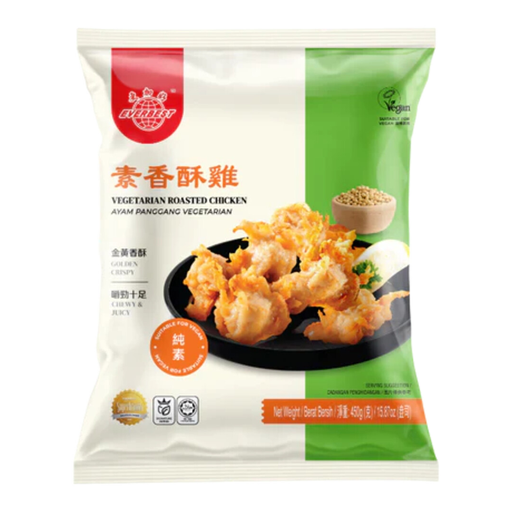
Why This Fits Their Persona: A larger frozen format suits shoppers who want a versatile vegetarian chicken ingredient for several home-cooked meals.
The listing specifies frozen storage and cooking methods, helping buyers distinguish it from ready-to-eat vegan snacks.
450g pack; listed at 19g protein per 100g; suitable for air frying, pan frying or deep frying. Contains soy and wheat.
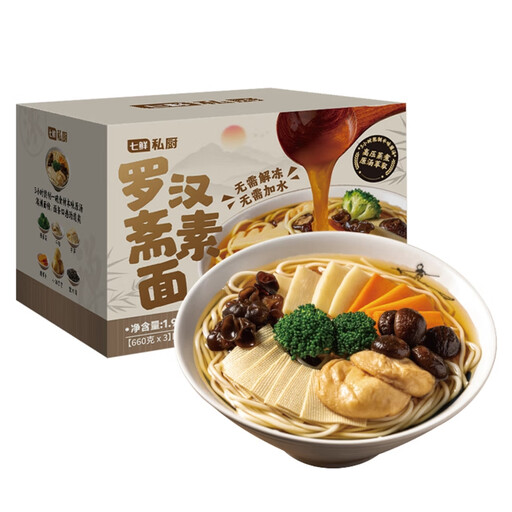
Why This Fits Their Persona: The three-pack format is designed for households that want substantial frozen Chinese vegetarian food for quick lunches or evening meals.
The listing states that it is frozen, needs no thawing and can be boiled directly, so preparation requirements are clear before purchase.
1.98kg total quantity; includes noodles, mushrooms, bamboo shoots and other vegetable ingredients. Contains wheat, soy and sesame.
We have compiled a complete, real-time list of products that fully satisfy these strict selection criteria and UK safety regulations.
For a strong, portable snack, consider soy-based products such as HAO BA SHI Vegetarian Beef – Spicy, HAO BA SHI Vegetarian Steak – BBQ or Wuxianzhai Vegetarian Beef Snack Soy Sauce Flavour. These are ready to eat and provide a firm, savoury bite.
If texture is the priority, vegetarian tripe products made with konjac offer a distinctive springy chew. The mala version from Wuxianzhai brings chilli and Sichuan pepper, while the savoury sauce version has a milder direction.
For meal preparation, Everbest Vegetarian Layer Meat 500g and Everbest Vegetarian HK BBQ Meat 500g are frozen options suited to slicing, stir-frying or serving with rice. Check the ingredient panel carefully: the layer meat contains textured soy protein, while the BBQ-style product is based on wheat gluten.
Some are described as vegan or made without animal ingredients, but not every vegetarian product is vegan. Check for milk, egg, fish, oyster-derived ingredients and non-vegan flavourings. Also review allergen information, as soy and wheat are common.
Many dried tofu, soy protein and wheat gluten snacks are ready to eat after opening. Frozen vegetarian meat alternatives are generally designed for cooking. Follow the storage and preparation instructions on the packaging, and refrigerate products after opening where directed.
Compare the nutrition panel rather than relying on names such as “vegetarian beef” or “steak”. Soy protein and wheat gluten snacks in this range list higher protein values than several konjac-based options. Portion size and salt content should also be considered when choosing a regular snack.