
24/7 Customer Support

Free returns

Same-day & Next-day Delivery

Quality Guaranteed

Unlock Your Welcome Offers: FREE Delivery | Up to 80% OFF | Free 30-day JoyPlus trial
Download the APP
Choosing Asian vermicelli noodles can be surprisingly confusing. A clear packet may contain mung bean, pea, sweet potato, tapioca or rice starch, while a product described as “quick” may still require soaking and boiling. Flavoured noodle kits can also contain several seasoning sachets, allergens and considerably more salt than plain dried noodles.
This guide explains the practical differences between rice vermicelli, glass noodles and regional varieties, helping UK shoppers select a suitable pack for soups, salads, stir-fries and hot pot meals.
“Vermicelli” describes the shape rather than the ingredients. Many rice-based noodles are gluten-free, but this must be confirmed on the ingredients list and allergen statement. Some products may contain wheat, soy sauce powder or be made in shared facilities.
For example, Pine Tree Thai Rice Vermicelli lists cereals containing gluten as an ingredient, while Wai Wai Rice Vermicelli contains sesame and may contain other allergens. By contrast, several plain products list rice, pea starch, mung beans or sweet potato starch without declared allergens.
If you need gluten-free noodles, check the complete UK packaging information rather than relying on the product name or a “rice noodle” description.
Glass noodles, also called Chinese vermicelli or cellophane noodles, become translucent after cooking. They are usually made from starches such as mung bean, pea, sweet potato or tapioca. Rice vermicelli generally remains white or off-white and has a softer, grain-based bite.
The difference affects cooking time and texture. A noodle suited to a Vietnamese salad may not provide the chewiness expected from Korean glass noodles, while a delicate rice vermicelli may become soft if left too long in a hot pot.
A 2.5kg bag may offer a practical cupboard supply for a family, takeaway-style cooking or frequent hot pot meals, but it needs airtight storage after opening. Smaller 140g–200g packs are easier for occasional cooks, students and people with limited kitchen storage.
Flavoured instant products also need closer inspection. A complete Liuzhou snail noodles kit can include chilli oil, pickled vegetables, peanuts and tofu skin, so the total ingredient and allergen profile differs substantially from plain noodles.
Match the starch to the dish and your dietary requirements:
For vegan or vegetarian meals, inspect the seasoning sachets as carefully as the noodles. Plain starch noodles may be suitable for a plant-based diet, but instant soup bases can contain animal-derived flavourings or ambiguous flavouring ingredients.
Dried noodles commonly need rehydration before final cooking. The instructions supplied with different products vary:
Avoid eating dried noodles raw. They should be softened and cooked according to the pack instructions. For stir-fries, rinsing cooked noodles in cold water can help reduce sticking before they are added to the wok.
Plain dried noodles often have similar energy values per 100g, so compare the serving size and what you add to the dish. The seasoning may contribute more salt, fat or sugar than the noodles themselves.
A plain 200g pack can suit a couple of meals, while 400g packs such as Rice & U Jiang Xi Rice Vermicelli or Mi Zhi Xiang Jiangmen-Style Vermicelli Rice Noodles are practical for regular family cooking. A 500g sweet potato vermicelli pack offers more flexibility for repeated stir-fries and hot pot meals.
Instant options are convenient, but read the nutrition panel for the noodles plus sauce or seasoning, not only the noodle portion.
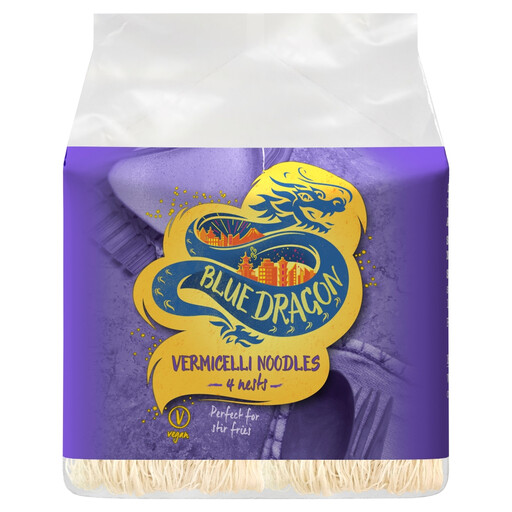
Why This Fits Their Persona: A manageable pack for first-time cooks who want a versatile noodle for stir-fries without committing to a bulk quantity.
The ingredients list rice flour and tapioca starch, making the composition clear; preparation and storage instructions are also provided.
Rice flour is listed at 87%; the product is described as suitable for vegetarians and vegans.
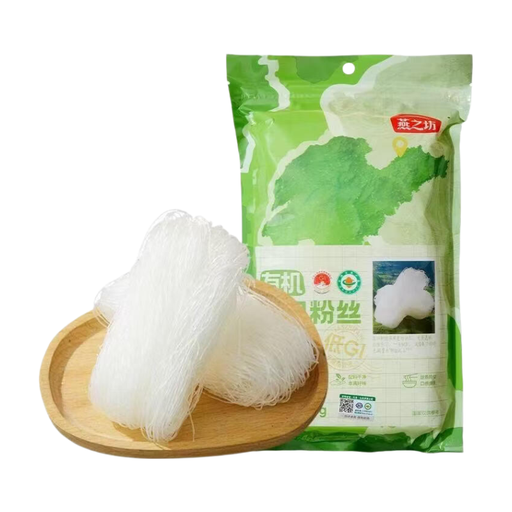
Why This Fits Their Persona: Suitable for shoppers prioritising a short ingredient list and a plain noodle base for carefully prepared home meals.
The pack lists only pea starch and water, with no declared allergens. It is still a cooking product, so the instructions should be followed rather than treating it as ready to eat.
200g pack; suitable for soups, stir-fries, hot pots and cold dishes.
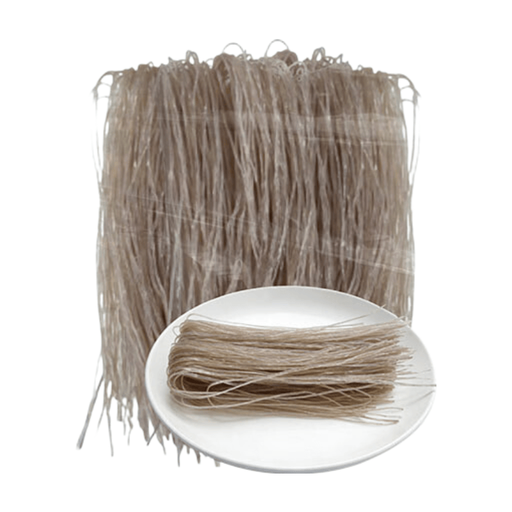
Why This Fits Their Persona: A bulk option for frequent family meals, shared houses, catering-style cooking or regular hot pot gatherings.
The 2.5kg quantity is clearly stated, reducing the risk of mistaking a catering-size pack for an occasional serving.
Tapioca and sweet potato starch; designed for soups, stir-fries and salads.

Why This Fits Their Persona: A convenient choice when you want a strongly seasoned Liuzhou-style meal rather than a plain noodle base.
The multi-sachet format makes the flavour components visible, while the allergen statement identifies soya beans, sesame and peanuts.
Includes noodles, broth seasoning, pickled vegetables, tofu skin, peanuts, chilli oil and vinegar; preparation is stated as approximately 15 minutes.
We have compiled a complete, real-time list of products that fully satisfy these strict selection criteria and UK safety regulations.
Some are, but not all. Check the ingredients and allergen information every time. Products made solely with rice, pea starch, mung beans or sweet potato starch may be suitable, but sauces and seasoning sachets can introduce wheat or soya ingredients.
Keep unopened packs in a cool, dry cupboard away from sunlight and moisture. Once opened, transfer noodles to an airtight container. Follow the pack’s guidance, particularly for fresh vermicelli, which may require refrigeration and prompt use.
Chewy sweet potato vermicelli, Longkou glass noodles and Korean glass noodles generally work well in hot pot because they absorb broth and retain a springy texture. Check the cooking instructions and add them at a suitable point so they soften without becoming overly tender.