
24/7 Customer Support

Free returns

Same-day & Next-day Delivery

Quality Guaranteed

Unlock Your Welcome Offers: FREE Delivery | Up to 80% OFF | Free 30-day JoyPlus trial
Download the APP
Choosing Asian vinegar for a UK kitchen is not simply a matter of picking the cheapest bottle. Rice vinegar, Chinese vinegar, black vinegar and fruit vinegar can look similar on a supermarket shelf, yet their acidity, sweetness, ingredients and culinary uses vary considerably.
A bottle selected for dumpling dipping may taste too sweet in a stir-fry, while a deeply aged vinegar can overpower a delicate salad dressing. The following guide explains the practical details worth checking before you buy, with suitable options for everyday cooking, authentic Chinese recipes and specialist uses.
A plain rice vinegar generally provides clean acidity without a strong sweet or savoury profile. Seasoned rice vinegar, by contrast, may contain sugar, salt, spices or flavourings. This can be convenient for dipping sauces and cold dishes, but it gives you less control when balancing a recipe.
Check the ingredients rather than relying only on terms such as “aromatic” or “mature”. For example, Lee Kum Kee Seasoned Rice Vinegar lists rice, sugar, salt, spices and flavouring, with 12.5g of sugar and 5.8g of salt per 100ml. It is designed for immediate use, but may not suit recipes where you need to add sweetness and salt separately.
An aged vinegar develops a deeper aroma and rounder sourness, but this does not automatically make it suitable for light pickles or delicate dressings. Chinese black vinegar, Zhenjiang vinegar and Shanxi vinegar are commonly used with dumplings, noodles, braised dishes and soups, where their richer flavour can add depth.
Ageing claims should also be read alongside the ingredient list. Some products contain wheat, barley or other grains, while others may include sugar, salt or colouring. “Three-year aged” and “six years aged” describe the stated maturation period; they are not a guarantee that every shopper will prefer the taste.
A large bottle can offer practical value for frequent cooking, but it may be inconvenient if you only use vinegar occasionally. After opening, follow the label’s storage guidance and keep the cap tightly closed. Some products recommend refrigeration after opening and prompt use.
Grain-based Chinese vinegars may contain gluten from wheat bran, barley or grain starters. Consumers with coeliac disease, allergies or sensitivities should read the UK label carefully. Brown rice vinegar is made from rice, but possible cross-contamination and added preservatives can vary between products.
Acidity is one of the most useful technical points to compare. Vinegars around 4–5% acidity are common for general culinary use, although the figure and measurement may differ between products. Higher acidity can give a sharper finish, while naturally fermented or aged varieties may taste mellower despite still providing noticeable sourness.
For a clean, flexible flavour, consider plain rice vinegar or glutinous rice vinegar. For richer Chinese cooking, look at black vinegar, aromatic vinegar or mature vinegar. Fruit options such as apple cider vinegar provide a more noticeable apple note and can work in dressings, marinades and diluted drinks. If using vinegar in a drink, follow the product directions and dilute it; do not consume concentrated vinegar in large quantities.
Compare the first few ingredients and check for:
Pearl River Bridge Rice Vinegar lists water, rice and salt, making it a straightforward option for pickling, dipping, salad dressings, soups and stir-fries. HADAY Glutinous Rice Vinegar contains glutinous rice, salt and sugar, offering a slightly more rounded profile for Chinese cooking.
Match the vinegar to how you cook:
For occasional use, a 450–500ml bottle is generally manageable. For busy households or food-service kitchens, an 820ml aromatic vinegar may reduce the need for frequent replacement.
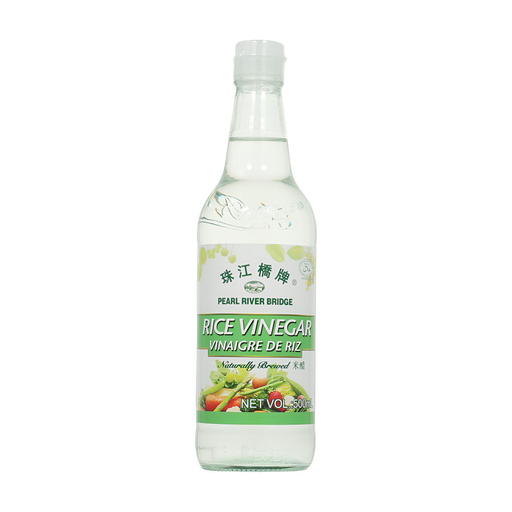
Why This Fits Their Persona: A practical starting point for UK households exploring Asian cooking without committing to a strongly flavoured aged vinegar.
Its listed ingredients are water, rice and salt, avoiding the added sugar and spices found in many seasoned varieties.
Clean, mild acidity; suitable for pickling, dipping, dressings, soups and stir-fries.
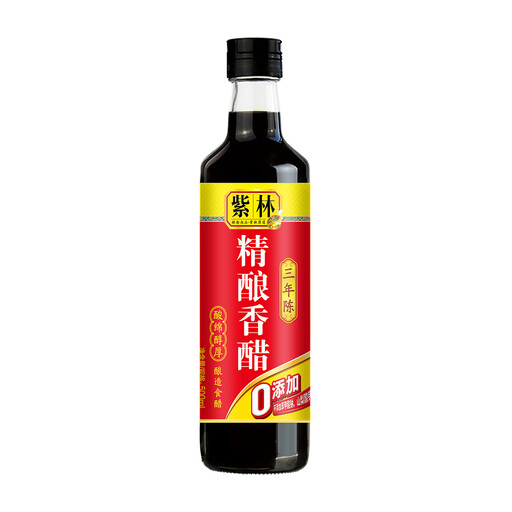
Why This Fits Their Persona: Suits cooks who want a deeper Chinese vinegar for dumplings, cold dishes, soups and marinades.
The product description states a three-year ageing period and identifies gluten-containing wheat bran and barley, making the flavour and allergen profile clearer.
500ml glass bottle; naturally brewed and aged; ready to use for dipping or cooking.
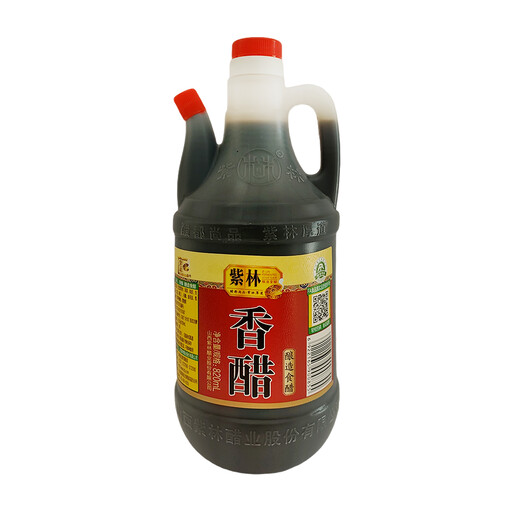
Why This Fits Their Persona: The larger format is suited to frequent family cooking, meal preparation or food-service-style use.
The 820ml capacity is clearly stated, helping frequent users compare quantity rather than judging value by the front-label wording.
Balanced sour-sweet taste; suitable for dipping sauces, cold dishes, stir-fries and soups.
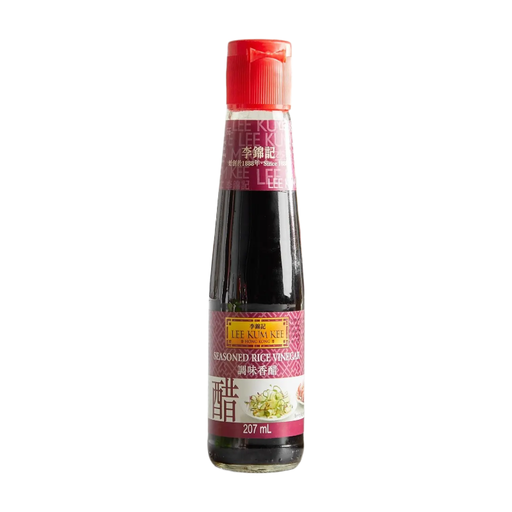
Why This Fits Their Persona: A compact option for shoppers who mainly want a ready-to-serve dumpling dipping vinegar or cold-dish condiment.
Its smaller 207ml size reduces the chance of leaving a large bottle unused when seasoned vinegar is only an occasional purchase.
Balanced sweet-and-sour profile; specifically listed for dumplings, noodles and cold dishes.
We have compiled a complete, real-time list of products that fully satisfy these strict selection criteria and UK safety regulations.
No. Rice vinegar is one type of Asian vinegar, usually made by fermenting rice or rice-based ingredients. The wider category also includes Chinese black vinegar, Zhenjiang vinegar, Shanxi vinegar, aromatic vinegar, seasoned varieties and fruit vinegars. Their colour, sweetness, acidity and grain ingredients can differ.
A dumpling dipping vinegar can be plain, seasoned or aged. Seasoned rice vinegar is convenient if you prefer a ready-balanced sweet-and-sour taste. A mature or aromatic Chinese vinegar may be more suitable if you want a deeper, grain-based flavour. Check the salt and sugar content before adding soy sauce or chilli oil.
It can work in some dressings, marinades and pickles, but its fruity flavour will alter the finished dish. For neutral acidity in Chinese or Southeast Asian recipes, rice vinegar or glutinous rice vinegar is usually a closer match. If using apple cider vinegar as a drink, dilute it according to the label and avoid treating it as a medical product.