
24/7 Customer Support

Free returns

Same-day & Next-day Delivery

Quality Guaranteed

Unlock Your Welcome Offers: FREE Delivery | Up to 80% OFF | Free 30-day JoyPlus trial
Download the APP
Choosing Asian vinegar is not simply a matter of picking the largest bottle or the most attractive label. Rice vinegar, Chinese vinegar, Japanese rice vinegar, Korean vinegar and fruit-based options can have noticeably different flavours, acidity levels and ingredients. The right bottle depends on whether you are seasoning sushi rice, dipping dumplings, making a dressing or preparing a diluted drink.
For UK shoppers, three common buying traps are worth avoiding:
The base ingredient gives you an initial indication of flavour and colour:
Read the full label before adding a bottle to your basket. A plain rice vinegar may contain only water, rice and alcohol, while a dipping vinegar can include sugar, salt, caramel colour, garlic, ginger or sweeteners.
Acidity affects both taste and recipe balance. For example, MIZKAN Rice Vinegar lists 5% acidity, while Taoxi Yongchun Aged Vinegar lists 6.5g acid per 100ml. These figures are useful when comparing products, although they do not alone determine flavour.
UK shoppers should also check allergens. Wheat and barley may be present in some Chinese aged vinegars, while Obento Japanese rice vinegar lists sulphites. Do not assume that a dark colour indicates a particular grain or production method.
A 250ml bottle can be practical if you are buying vinegar for sushi rice occasionally. A 420–580ml bottle may offer better value for regular cooking, dipping and pickling.
Storage instructions vary. Many bottles can be kept in a cool, dry cupboard before opening, while some recommend refrigeration after opening. Close the cap firmly and keep the bottle away from direct sunlight. Natural sediment in raw apple cider vinegar is not automatically a fault, but always follow the packaging guidance and check the best-before date.
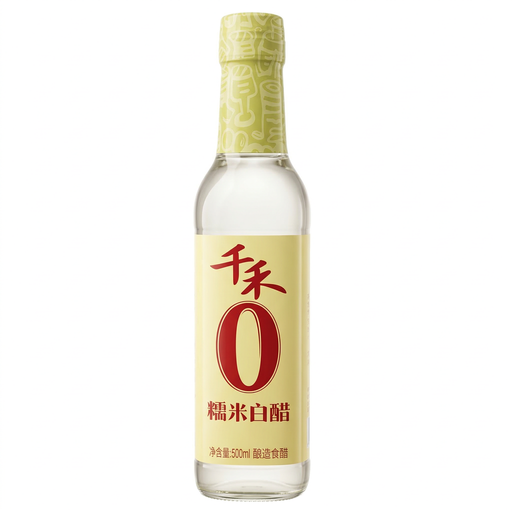
Why This Fits Their Persona: A clear, versatile option for UK kitchens starting to explore Asian cooking, from cold dishes and dipping sauces to baking and pickling.
Its listed ingredients are water, rice and edible alcohol, with no added preservatives, colours or white sugar stated in the product information.
500ml glass bottle; clear appearance helps preserve the colour of light sauces and pickles.
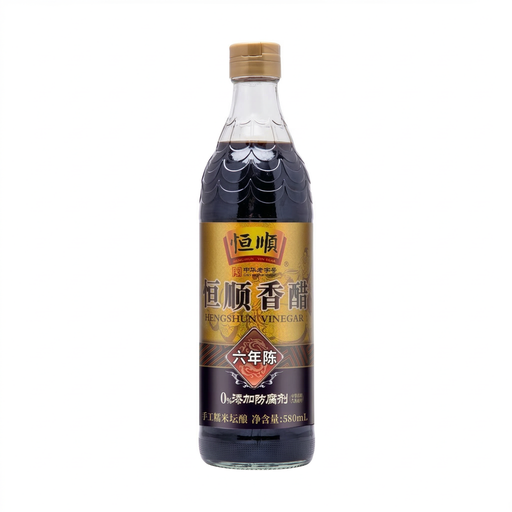
Why This Fits Their Persona: Suitable for cooks who want a deeper Chinese vinegar profile for dumplings, seafood, cold dishes, braised food and sauces.
The product information states a six-year ageing period and clearly lists wheat and barley allergens for informed purchasing.
580ml quantity; ready to use directly as a dipping vinegar or cooking seasoning.
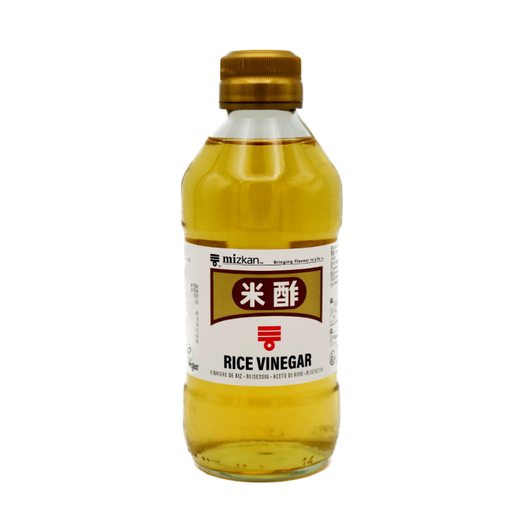
Why This Fits Their Persona: A focused choice for sushi nights, Japanese-style dressings, pickles and cooks who prefer a smaller bottle for regular but targeted use.
It is identified as rice vinegar with 5% acidity, rather than an unspecified multipurpose vinegar.
Suitable for sushi rice, dressings, marinades and pickling; no known allergens are listed in the supplied product information.
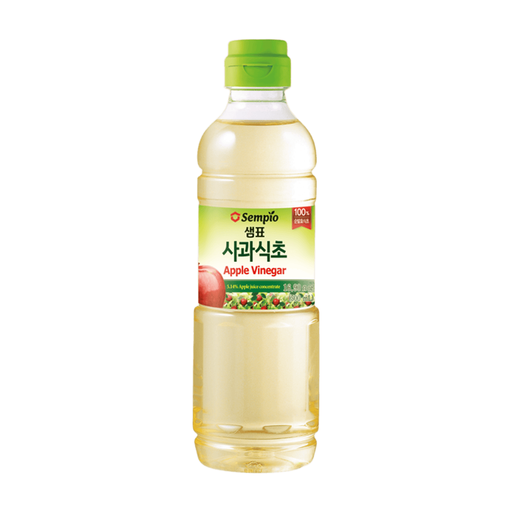
Why This Fits Their Persona: A Korean-style apple vinegar for shoppers who want one bottle for fruity dressings, marinades and diluted drinks.
The supplied instructions specifically state that it should be diluted before drinking, helping avoid undiluted-use assumptions.
Made with apple vinegar and water; 500ml size supports both cooking and occasional diluted use.
We have compiled a complete, real-time list of products that fully satisfy these strict selection criteria and UK safety regulations.
A plain Japanese rice vinegar is generally the most straightforward choice. MIZKAN Rice Vinegar lists 5% acidity and can be mixed with sugar and salt according to your recipe. Check that you have not selected a pre-seasoned vinegar if you want to control the seasoning yourself.
Storage life depends on the product and packaging. Keep it sealed, away from heat and sunlight, and follow the label. Some products recommend refrigeration after opening, while others can remain in a cool cupboard. Flavour may gradually change even when the product remains within its stated date.
Yes. Apple cider vinegar can add acidity to marinades, dressings, pickles, soups and sauces. Its fruity flavour may be noticeable, so use it where that profile suits the dish. If drinking it, always dilute it according to the product instructions and avoid consuming it undiluted in large quantities.