
24/7 Customer Support

Free returns

Same-day & Next-day Delivery

Quality Guaranteed

Unlock Your Welcome Offers: FREE Delivery | Up to 80% OFF | Free 30-day JoyPlus trial
Download the APP
Cooking global dishes at home is easier when the right flavour base is within reach. However, Asian and world food seasonings vary considerably in salt content, ingredient quality, pack size and intended use. A seasoning that suits a quick midweek stir-fry may not be suitable for a traditional marinade, restaurant kitchen or vegetarian recipe.
This guide explains what to check before buying spice powders and seasoning mixes, followed by practical recommendations for different cooking habits.
A product labelled garlic, coriander or chilli may contain one ingredient, or it may be a blend with salt, flour, sugar, flavour enhancers or anti-caking agents. For example, a garlic and coriander seasoning can be convenient, but it is not equivalent to pure garlic powder or coriander powder.
Check the full ingredients list, not only the front label. This helps you decide whether the product is suitable for:
Large bags can reduce the cost per gram, but spice powders gradually lose aroma after opening, particularly when exposed to heat, sunlight or moisture. A 1kg pack may be sensible for a busy household, caterer or professional kitchen, but a smaller shaker is often more practical for occasional use.
Consider how frequently you cook with the seasoning and whether the packaging can be resealed securely.
A Chinese five spice blend, Thai seasoning mix and African jollof seasoning each have a distinctive purpose. Using too much can overpower a recipe, while a mild everyday blend may not provide the flavour profile expected from a specific dish.
Look for clear usage instructions and check whether the product is intended for cooking, marinating, fermentation or direct seasoning.
For a single spice, look for a short ingredient list such as 100% ground coriander, 100% cinnamon powder, 100% garlic powder or 100% ground red chillies. These products give you more control over salt and other flavours.
Blends are useful when you want convenience. Tandoori masala, curry powder, Cajun seasoning, baharat and Chinese seasonings combine several ingredients in measured proportions. Check the order of ingredients because those listed first generally make up the larger part of the blend.
Some products also contain flavour enhancers, sugar or salt. This is not automatically a problem, but you may need to adjust the quantities of salt or stock used in your recipe.
UK shoppers should check the allergen statement every time, particularly when buying imported or world-food products. Common ingredients to look for include:
Vegetarian or vegan suitability should be confirmed from the product information and packaging. For example, the Rajah garlic and coriander seasoning is described as vegetarian and vegan, while Lobo Nam seasoning contains wheat and soya and is designed for use with pork.
Choose a pack that matches your usage. Small 24g–100g containers are convenient for testing a new flavour or maintaining freshness. Larger packs can suit repeated cooking, meal preparation or professional use.
Store opened powders in a cool, dry place, away from the hob and sink. Keep the lid or resealable bag closed and use a clean, dry spoon. Products requiring fermentation or cooking should be prepared exactly as instructed. Seasoning powders are not necessarily ready-to-eat ingredients.
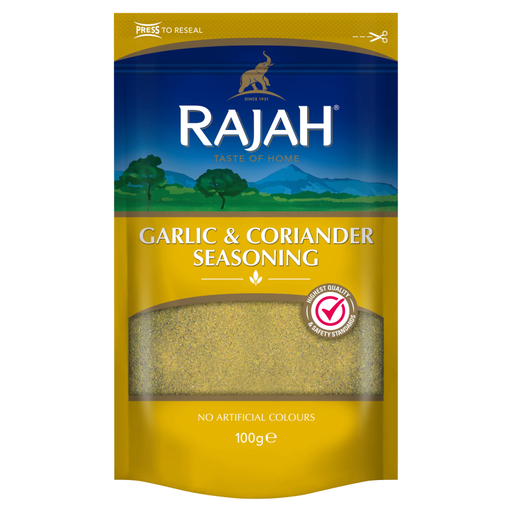
Why This Fits Their Persona: A practical starting point for UK cooks who want one versatile blend for vegetables, rice, soups, marinades and everyday savoury dishes.
The ingredient list clearly identifies salt, dried garlic at 15% and dried coriander at 12%, helping shoppers understand that it is a blend rather than a pure spice.
100g resealable packaging; vegetarian and vegan product information; includes garlic, coriander, onion and black pepper.
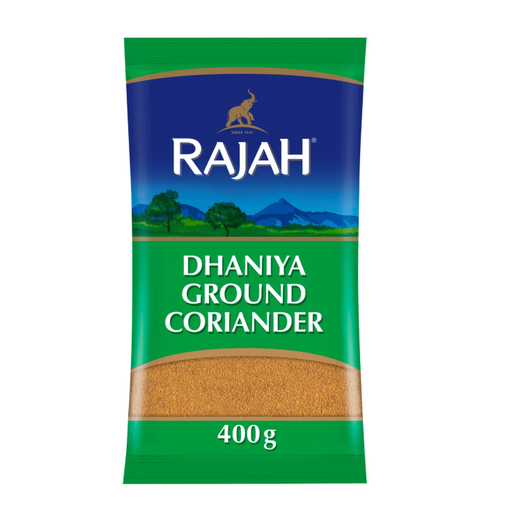
Why This Fits Their Persona: Suitable for cooks who prefer a single-ingredient spice for curries, dhals, marinades and homemade seasoning blends.
The listed ingredient is ground coriander, so there is no added salt, sugar or flavour enhancer to account for when building a recipe.
400g pack; ready to add during cooking; no allergenic ingredients listed, with shared-facility advice provided.
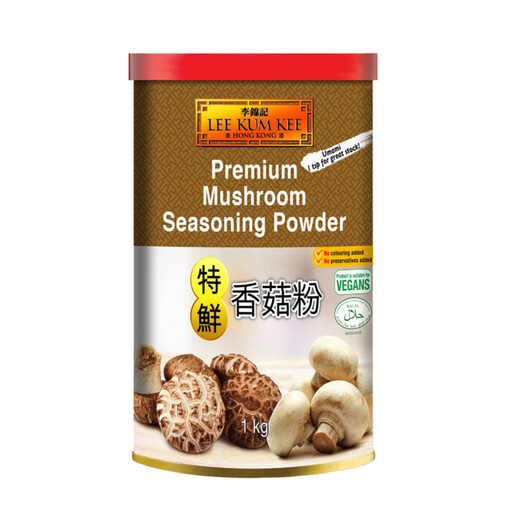
Why This Fits Their Persona: Designed for frequent cooking, meal preparation or professional kitchens that use mushroom seasoning powder in soups, stir-fries, sauces and marinades.
The 1kg quantity makes its intended high-use role clear, while the ingredient list identifies mushroom powder, yeast extract and flavour enhancers.
Powdered format mixes easily; suitable for soups, stir-fries, marinades and sauces; no allergens are listed in the supplied product information.
We have compiled a complete, real-time list of products that fully satisfy these strict selection criteria and UK safety regulations.
For Chinese cooking, tea egg seasoning packets and Chinese five spice provide measured combinations of star anise, cinnamon, fennel, pepper and related aromatics. The tea egg packets from Huaseed are intended for simmering with eggs, while larger Yunshanban packets offer multiple portions.
For Indian dishes, compare coriander powder, chilli powder, mild Madras curry powder and tandoori masala. A pure spice gives greater control, whereas a blend simplifies recipe preparation. Tandoori masala is generally used with a marinade before grilling, baking or roasting.
For wider international cooking, consider African jollof seasoning for rice and stews, baharat for Middle Eastern-style meatballs or koftas, and Cajun seasoning for rice, vegetables and grilled dishes. Always check salt and allergen information because blend formulas differ.
A flexible starter selection could include garlic powder, coriander powder, cinnamon powder, chilli powder, curry powder and Chinese five spice. Add specialised blends such as tandoori masala, Thai seasoning mix or African jollof seasoning when you regularly cook those dishes.
Follow the best-before information on the packaging. For good flavour, keep powders sealed in a cool, dry, dark cupboard and avoid storing them beside a kettle or hob. Discard products if they develop moisture, unusual odours or persistent clumping.
Some are, but the answer depends on the ingredients and manufacturing information. Check for meat-derived ingredients, dairy, fish, shellfish and allergen warnings. A product labelled vegetarian or vegan can be useful, but the packaging remains the final source of information.