Start with the everyday task that is difficult and try the accessibility settings on an existing or shortlisted computer or tablet. Add software, an alternative input device, a microphone or a dedicated organiser when the built-in options do not meet that particular reading, input or organisation need. The right setup also depends on the apps, connection methods and environment in which it will be used.
Who is this setup for?
An accessible setup starts with the task and preferred way of interacting, rather than a broad label for the person using it.
People who need easier reading or navigation
Spoken output, magnification, larger text, display adjustments or braille may help with different reading tasks. RNIB advises checking the accessibility features on a computer you already own before choosing another device.
People who find standard controls difficult
If typing, mouse use or touch gestures are difficult, compare voice control, keyboard settings and alternative input devices against the movements and tasks involved. AbilityNet discusses keyboard and mouse adaptations for different physical, sensory and cognitive needs.
People organising writing and daily tasks
Dictation, reminders and recording can address different needs. Decide whether the person needs a full computer or tablet for communication and documents, or a simpler device chiefly for notes and prompts.
What should you check first?
Try a real task on the current device, then identify what still makes it difficult. That gives you a clearer reason to change the device or add a tool.
| Priority | What to check | Your needs |
|---|
| Reading and navigation |
Try screen reading, magnification and display settings with the websites and documents you use. If braille is needed, check the screen reader and display connection together. |
I need to read messages and find controls using speech, braille or a clearer display—not just enlarge a page that remains hard to navigate. |
| Physical input |
Test keyboard, pointing, touch and voice controls during the same task. For a switch or other peripheral, confirm device and app compatibility. |
Typing or precise touch may be difficult for me; a different way to select controls matters more than the device category alone. |
| Voice input |
Check the operating-system version, supported language and intended app. Test dictation and commands with the microphone in the room where they will be used. |
I want to write messages or control the device by speaking, without making voice input my only route until it works for those tasks. |
| Daily organisation |
Try reminders, notes and recordings in the order you normally use them. Check whether their controls and playback are usable without extra help. |
Keeping track of tasks is my main concern; I may not need all the functions of a general-purpose computer. |
| Device and workspace |
Compare a portable tablet or laptop with a positioned workstation. Check screen size, carrying demands, ports and the space needed for input devices. |
I need to know whether I will work mainly at a desk or move between places, and whether my preferred controls can come with me. |
Common buying mistakes
-
Adding specialist equipment before trying built-in settings
Computers and tablets can include accessibility controls that address the task without another device.
Open a real message or webpage, write a note and try the relevant settings. Identify what remains difficult before choosing an accessory.
-
Choosing by a broad label rather than an activity
Reading, writing and physical control call for different input and output methods; one product need not address them all.
List the activities, preferred controls and place of use. If possible, try specialist hardware with the person who will use it.
-
Assuming a peripheral will connect and work
A keyboard, switch or braille display must work with the chosen device and the software needed for the task. RNIB notes that braille displays used with computers typically rely on a screen reader.
Confirm the operating system, connection method, pairing steps and required software for the exact products.
Adapters, pairing and charging can add practical setup steps.
-
Depending on voice recognition without trying it at home
Microphone quality, background noise, speech and language support can affect dictation and commands. AbilityNet identifies microphone and sound-card quality as factors in dictation accuracy.
Try normal emails or notes in the intended room, and retain another input method until voice control works for essential tasks.
Relevant platform brands
Platform features are a starting point; confirm them on the exact device, software version and apps you intend to use.
Apple
Apple describes accessibility features for iPad and Mac, including VoiceOver for spoken and braille output.
- Consider its built-in reading and navigation controls if they suit the intended iPad or Mac tasks.
- Apple says availability can vary by region, language, app and service; check the exact setup.
Microsoft
Microsoft documents Windows 11 features including Narrator and voice access for computer-based tasks.
- Try Windows controls alongside the keyboard, mouse or other input method the person plans to use.
- Microsoft states that voice access requires Windows 11 version 22H2 or later; check the installed version, language and microphone setup.
Google
Google documents Android accessibility controls, including Switch Access as a way to interact using one or more switches instead of the touchscreen.
- An Android tablet is worth considering when its available controls match the preferred input method.
- Check feature availability and peripheral compatibility on the exact tablet and Android version.
Joybuy product options
These options include mainstream tablets and laptops for adapting everyday digital tasks, plus a digital notebook for notes and organisation. Match the required accessibility features and apps to the exact model before choosing.
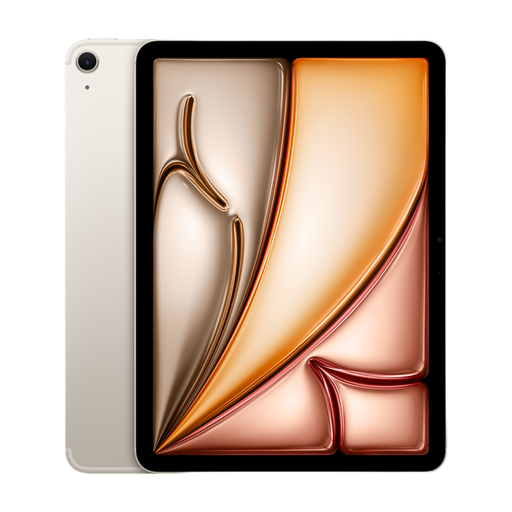 Image unavailable
Apple 11-inch iPad Air (2026, M4), Wi-Fi 128GB, Starlight
Consider this tablet for portable reading and navigation if its controls work with your usual apps. Apple describes VoiceOver spoken and braille output; check the feature and any required accessory on this exact setup.
View on Joybuy
 Image unavailable
HP OmniBook X Flip 16-as0004na, 16-inch touchscreen
The 2-in-1 form gives you laptop and touch-based positions to consider for daily tasks. This Windows 11 Home model lists an Intel Core Ultra 5 226V, 16GB RAM and 512GB SSD; try the intended controls and confirm the Windows build and required app support.
View on Joybuy
 Image unavailable
Xiaomi Pad 8, Wi-Fi, 8GB RAM, 128GB, grey
For portable Android tasks, check whether the tablet provides the reading or input controls you need. Google describes Switch Access for Android, but confirm the required feature, apps and any assistive peripheral on this exact model.
View on Joybuy
 Image unavailable
ASUS Vivobook 14 X1407QA-LY003W, Quiet Blue
This Snapdragon X laptop is an option for computer-based tasks, with 16GB RAM and 512GB SSD. If you rely on particular accessibility or other applications, check their compatibility with its ARM processor and confirm the Windows features you need on the installed build.
View on Joybuy
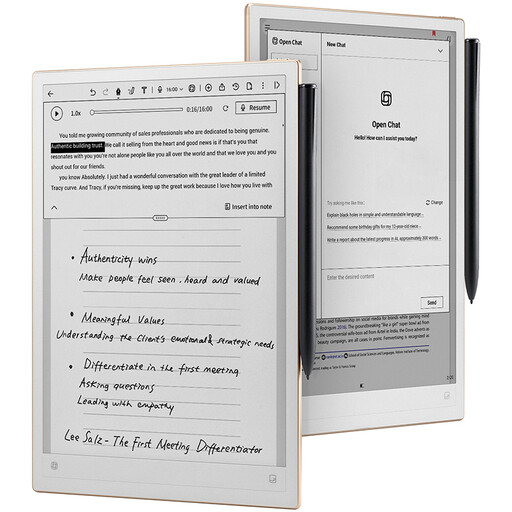 Image unavailable
iFLYTEK AINOTE 2, 10.65-inch E-Ink notebook with protective case
This digital notebook is aimed at capturing notes and organising tasks rather than replacing every computer or tablet workflow. Its listed voice-to-text function requires an internet connection; confirm support for your required language and whether its controls, playback and apps suit the task.
View on Joybuy
Questions about choosing a setup
What should I try before choosing specialist hardware?
Try the difficult task using the accessibility settings on your current device first. Check how you read information, enter text and navigate the apps you use, then identify the remaining barrier and the connection an accessory would need.
Should I choose a tablet, laptop or desktop?
Choose around the task and workspace: a tablet may suit portable touch or voice use, while a desktop may suit a positioned display and alternative peripherals. If you need both portability and a computer workspace, check a laptop’s screen, carrying demands and accessory connections against your preferred controls.
Do I need a separate screen reader?
Not necessarily. RNIB advises checking built-in computer accessibility features first; try the screen reader with your actual websites, documents and apps. Consider other software if a specific reading, navigation or braille task remains difficult.
When should I consider a separate microphone?
Consider one when voice input is important and testing the built-in microphone with your normal software and room conditions does not give dependable results. Check language support and the effort needed to correct dictation before relying on it for essential writing or control.


