Start with the work or study task you cannot comfortably complete, then test relevant accessibility features on your existing device before buying anything else. If the solution needs individual fitting, training, funding or access to an organisation-managed device, an assessment or workplace discussion may be a more useful starting point; students seeking Disabled Students’ Allowance in England should complete its assessment process before buying equipment they expect it to cover.
Who this is for
People testing features they already have
If reading a document, following a meeting or navigating a learning platform is difficult, try the relevant screen reader, magnification, captions or voice controls on your current device with that actual task. Microsoft, Apple and Google describe built-in accessibility options, but the feature you need still has to work with your software and device.
People considering a different input method
If a standard keyboard, mouse or touchscreen is difficult to use, the important question is how an alternative works with your movement, positioning, fatigue and required applications. AbilityNet describes a wide range of keyboard and mouse adaptations, making a task-based trial particularly useful when daily access depends on the fit.
Employees and students seeking specialist support
If equipment must work with workplace IT or may require training, funding or a formal recommendation, discuss the route before self-purchasing. GOV.UK sets out employer reasonable adjustments, Access to Work in England, Scotland and Wales, and the Disabled Students’ Allowance assessment process; Northern Ireland has a separate Access to Work service.
What matters when choosing
Identify the task barrier first, then check the existing device and required software. Treat physical fit, voice use and assessment or support arrangements as separate decisions rather than assuming one accessory will address them all.
| Concern |
What to check |
Who this matters to |
| Task and device compatibility |
Try the needed feature with your actual documents, applications and peripherals; check device settings and any organisation-managed restrictions. |
I need to know whether I can read or navigate the software my course or job requires before choosing another device. Around 36% of consumers put task and device compatibility first. |
| Physical input and fit |
Trial the keyboard or pointer arrangement against your movement, reach, positioning and required commands. |
Typing or pointing becomes difficult over a working session, so I need an input method I can use for the tasks that matter. Physical fit is the primary concern for around 29% of consumers. |
| Assessment and support |
Clarify the appropriate workplace or study route before buying specialist equipment, including who arranges setup and training. |
I need the equipment to work within my employer’s systems or a recommended study-support arrangement, not just at home. Around 21% of consumers chiefly need assessment and support sorted out. |
| Voice-control environment |
Test commands and dictation with required software; consider microphone use, privacy, background noise and display setup. |
Speaking commands could reduce my reliance on a keyboard, but I need to know whether it is practical where I work or study. Voice-control setup comes first for around 14% of consumers. |
Purchasing pitfalls
-
Buying equipment intended for Disabled Students’ Allowance too early
For applicants using the England Disabled Students’ Allowance route, the needs assessment helps determine recommended support. GOV.UK says equipment bought before assessment will not be reimbursed through that route.
Complete the assessment and wait for your entitlement information before buying equipment you expect Disabled Students’ Allowance to cover.
-
Using Access to Work instead of discussing workplace adjustments
GOV.UK distinguishes an employer’s duty to make reasonable adjustments from the additional support Access to Work may provide. Northern Ireland operates a separate Access to Work programme.
Explain the task barrier to your employer, discuss reasonable adjustments and then check the Access to Work route applicable where you live and work.
-
Assuming a listed accessibility feature works in every setup
Device models, operating-system versions, applications and peripherals can change what is usable. Microsoft also documents limits to some Windows Voice access actions across multiple displays.
Test the exact feature with your required software, display arrangement and connected equipment before relying on it for work or study.
-
Overlooking setup and training for specialist tools
An alternative input device may need positioning and configuration, while a specialist screen-reader workflow can take time to learn. AbilityNet describes varied input options, and Freedom Scientific provides dedicated JAWS training.
Check who will handle installation, organisational IT approval, training and ongoing support; seek a trial or assessment when individual fit is central to daily use.
Allow time for configuration and learning before the technology is needed for essential tasks.
Relevant brands and platforms to consider
Microsoft
Windows accessibility features are relevant when work or study takes place on a Windows PC.
- Microsoft describes Narrator, Magnifier, captions, Voice access and other built-in Windows 11 options that can be tested before choosing additional tools.
- A feature’s availability does not establish compatibility with a required application, managed device or peripheral; some Voice access actions have multi-display limits.
Apple
Apple’s accessibility options are relevant to people using or considering an iPhone, iPad or Mac.
- Apple describes built-in options including VoiceOver and Voice Control.
- Check required workplace or education apps, external accessories and available support with the device you would actually use.
Google
Android accessibility options are relevant when a phone or tablet forms part of the work or study workflow.
- Google documents TalkBack, Voice Access, Switch Access, display controls and braille-display support.
- Availability varies by device and Android version. Google specifies, for example, that its Pixel Magnifier app is available on Pixel 5 and later phones.
Freedom Scientific
JAWS is a specialist Windows screen-reader route to consider when its workflow matches an individual’s work or study tasks.
- Freedom Scientific offers JAWS training materials for learning the software and its keyboard commands.
- Check required application compatibility, training, licensing and support arrangements before choosing a specialist screen-reader setup.
Joybuy product choices for input and computer setups
These choices cover alternative keyboards and pointing devices, plus laptops to consider if a new computer is already part of your plan. Trial an input device where fit matters, and check required accessibility features and software on a laptop before deciding it meets your needs.
 No image available
V7 MW500BT Bluetooth vertical mouse
Consider this different pointer arrangement if using a conventional mouse is the identified barrier; trial it against your movement and pointing tasks rather than assuming the shape will suit you.
The name specifies Bluetooth and 2.4GHz connection modes, six buttons and an adjustable sensor rated up to 1600 DPI. Check the intended connection and any workplace-device restrictions.
View on Joybuy
 No image available
HP 960 split-layout wireless keyboard with padded wrist rest
Consider its split layout if a conventional keyboard arrangement is difficult to use, but trial the typing position and required shortcuts before relying on it for daily tasks.
The product name specifies a wireless keyboard with a padded wrist rest. Confirm the connection method works with the intended computer and any organisation-managed settings.
View on Joybuy
 No image available
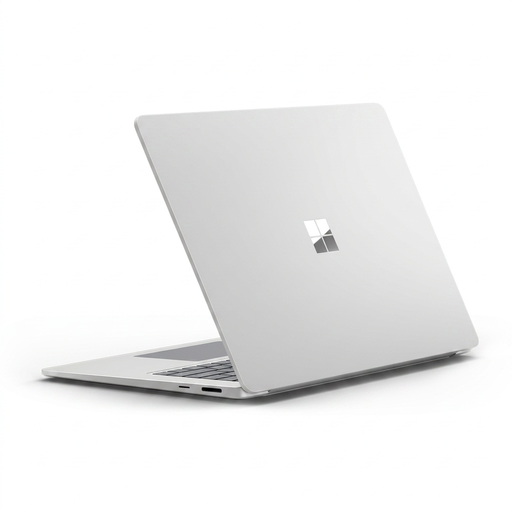
Microsoft Surface Laptop 7 15-inch Copilot+ PC, Maya Color
Consider this laptop only if a new computer is needed; test the required accessibility tools, applications and peripherals rather than treating its touchscreen as proof of individual suitability.
The named configuration has a Snapdragon X Elite processor, 16GB RAM, a 256GB SSD and a PixelSense touchscreen.
View on Joybuy
 No image available
MSI Summit E13 AI Evo laptop, Core Ultra 7 155H, 32 GB RAM, 1 TB SSD
If you need a new laptop for work or study, check whether its applications, accessibility tools and peripherals support your actual tasks before choosing this configuration.
The product name specifies an Intel Core Ultra 7 155H processor, Intel Arc graphics, 32 GB LPDDR5 RAM and a 1 TB SSD. Confirm the exact touch-display configuration before purchase.
View on Joybuy
Frequently asked questions
Should I buy equipment before a Disabled Students’ Allowance assessment?
Not if you expect the England Disabled Students’ Allowance process to cover that equipment. GOV.UK says equipment bought before assessment will not be reimbursed; complete the needs assessment and wait for your entitlement information before buying through this route.
Can Access to Work replace my employer’s reasonable adjustments?
No: GOV.UK distinguishes an employer’s duty to make reasonable adjustments from additional Access to Work support. Discuss the barrier and possible adjustments with your employer, then check whether Access to Work applies to further support in your circumstances.
Is Access to Work the same across the UK?
No. The GOV.UK Access to Work route covers England, Scotland and Wales, while Northern Ireland has a separate Access to Work programme. Check the service for where you live and work before planning equipment or support.
When should I seek a trial or assessment instead of choosing from a retail listing?
Seek a trial or assessment when individual fit, specialist training or compatibility with essential work or study systems determines whether the technology is usable. AbilityNet describes substantial variation among alternative input devices, while Freedom Scientific provides dedicated JAWS training; neither a device shape nor a software name establishes fit for your tasks.


