
24/7 Customer Support

Free returns

Same-day & Next-day Delivery

Quality Guaranteed

Unlock Your Welcome Offers: FREE Delivery | Up to 80% OFF | Free 30-day JoyPlus trial
Download the APP
Buying assorted biscuits and snack treats can seem straightforward until you compare flavour, pack size, fillings, allergens and freshness. A product that looks generous on the shelf may contain several small packets, while a multipack designed for sharing may not suit a lunchbox or office drawer.
For UK shoppers, the most useful approach is to look beyond colourful packaging and check the practical details that affect value and everyday convenience.
A large box does not always mean more portions. Check the net weight, the number of inner bags and the weight per portion. For example, individually wrapped snacks can be more useful for lunchboxes and sharing, even when the total weight is similar to a single open packet.
A multipack may also reduce waste because each portion stays sealed until needed. However, if you are buying biscuits for sharing at home, a resealable tub or larger pack may be more practical.
Chocolate biscuits, strawberry biscuits and vanilla biscuits can use different types of filling, coating or flavouring. Fruit-flavoured products may contain a relatively small percentage of fruit powder or fruit pieces, so read the ingredients and quantitative ingredient declaration where provided.
This matters particularly when choosing Japanese snacks or international biscuits. Product names and packaging styles may be familiar, but the ingredient list, allergen statement and nutrition panel remain the most reliable points of comparison.
Many filled biscuit sticks and wafer biscuits contain wheat or gluten, milk and soya. Some products may also contain egg, barley, almonds, peanuts or other nuts. Always check the current packaging before serving, especially when buying for children, guests or anyone with a food allergy.
Most products should be kept in a cool, dry place away from direct sunlight. Once opened, biscuits can lose their crunch in humid kitchen conditions, so sealed inner packs or airtight storage can make a noticeable difference.
Choose the format around the occasion:
For a family gathering, a 350g tub may be more convenient than several 40g packets. For a school or workplace setting, individually sealed portions can help keep unopened snacks fresh and easier to distribute.
The product format often tells you more about the eating experience than the flavour name:
Look for descriptions that clearly state whether the filling is inside the biscuit or applied as an outer coating. This can help avoid messy fingers during travel or at a desk.
Pre-packed food sold in the UK should provide key information such as the product name, ingredients, allergens, net quantity, best-before information and storage guidance. Ingredients are generally listed by weight, so the first few entries indicate the main components.
Nutrition panels are normally shown per 100g, with some products also giving values per biscuit or serving. Use the per-100g figures when comparing products, then consider the actual portion size. For instance, several products in this category provide around 425–521 kcal per 100g, but the amount eaten in one sitting depends on the individual pack and serving format.
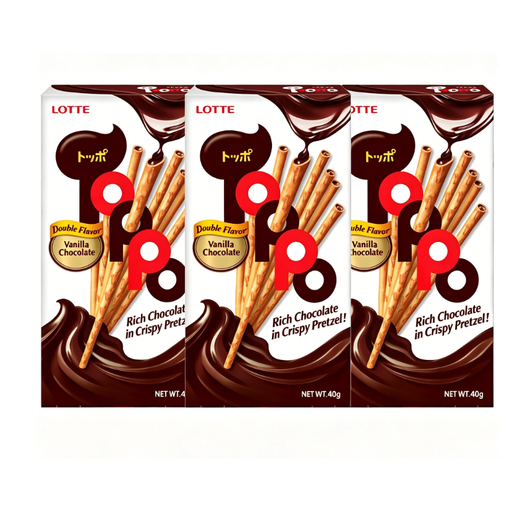
Why This Fits Their Persona: The three-pack format gives shoppers a practical way to try filled biscuit sticks while keeping separate packs for home, work or travel. Available product details list milk, soya and wheat allergens.
The 40g x 3 format makes the quantity clear, avoiding confusion between outer-pack size and individual portions.
Crisp sticks with filling sealed inside; three separate packs; suitable for tea, coffee or on-the-go snacking.
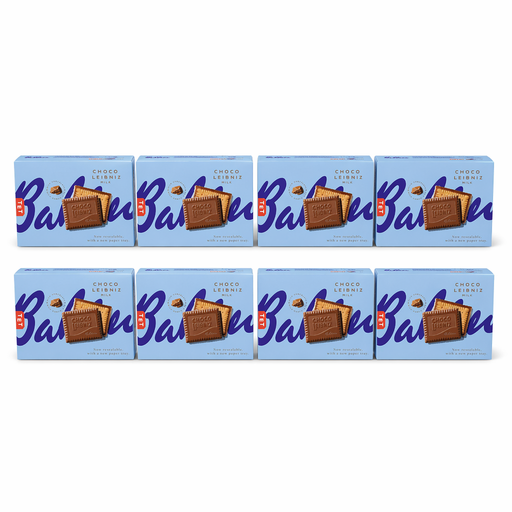
Why This Fits Their Persona: A chocolate-coated wheat biscuit suited to shoppers who want a more traditional accompaniment for coffee, afternoon tea or a small dessert plate.
The 111g net quantity and stated allergen information make it easier to compare with larger sharing packs.
Crisp biscuit base with milk chocolate; suitable for vegetarians according to the supplied product information.
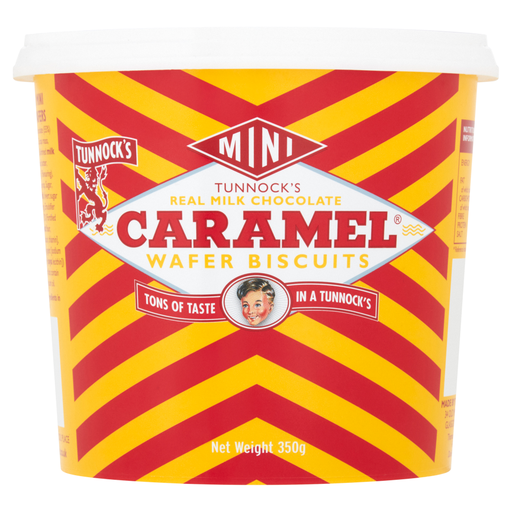
Why This Fits Their Persona: The 350g tub is designed for repeated serving at family gatherings, office meetings or parties where several people want a small wafer.
The stated 350g quantity is suited to frequent sharing, while the resealable tub helps protect the remaining wafers after opening.
Mini wafer pieces with caramel and milk chocolate; made in Scotland; suitable for serving with tea or coffee.
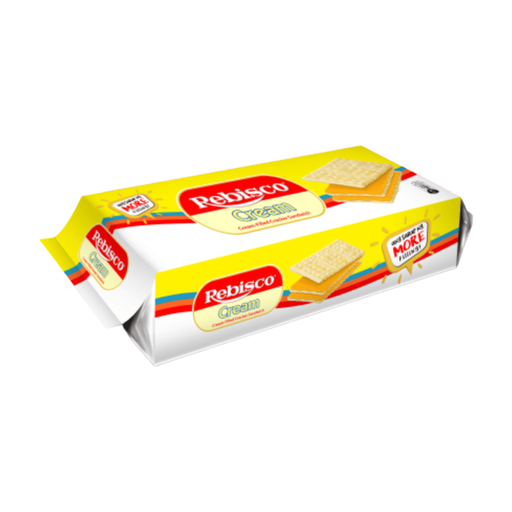
Why This Fits Their Persona: Ten individual 32g packs work well for office drawers, school lunches, commuting and planned family portions.
The pack count and 32g individual weight are clearly stated, so the portion format is not hidden behind the outer packaging.
Crisp cracker sandwiches with butter cream filling; ten sealed packs; total net quantity of 320g.
We have compiled a complete, real-time list of products that fully satisfy these strict selection criteria and UK safety regulations.
Fans of Japanese snacks may prefer Pocky snacks, such as chocolate or strawberry-coated biscuit sticks. The Glico Pocky Strawberry 8 Bags 93.6g format contains eight bags, making it suitable for sharing. For a mixed-flavour option, Oreo Cocoa Wafer Rolls 50g x 3 Multipack combines chocolate, vanilla mousse and strawberry milkshake flavours in separate packs.
Traditional UK choices include Tunnock's caramel wafers, while chocolate-coated options such as Cadbury Mini Fingers, Nestle Toffee Crisp Biscuits and Twix Biscuits offer individually portioned formats. Compare the number of pieces, rather than relying only on the brand name or outer-pack size.
Start with the net weight, number of portions, flavour format, allergen information and storage instructions. Then decide whether you need biscuits for sharing, lunchbox snacks, tea-time treats or a compact on-the-go pack.
They can be useful when freshness, hygiene and portability matter. Sealed portions are practical for offices, school bags and parties, although a larger resealable pack may offer a more convenient format for home sharing.
Keep them in a cool, dry place away from direct sunlight and strong odours. Reseal the original packaging or transfer loose biscuits to an airtight container. Check the product label for the specific best-before date and storage guidance.