
24/7 Customer Support

Free returns

Same-day & Next-day Delivery

Quality Guaranteed

Unlock Your Welcome Offers: FREE Delivery | Up to 80% OFF | Free 30-day JoyPlus trial
Download the APP
Changing your hair colour at home can be a convenient and affordable way to refresh your look. However, the aisles are filled with boxes promising salon-perfect results, and it's easy to end up with a colour you didn't want or hair that feels less than healthy. As a Joybuy Product Recommendation Officer, my role is to help you navigate the options and understand what to look for in an at home hair dye, ensuring you get the results you want without the guesswork.
This guide will break down the common pitfalls many UK shoppers face and highlight the key factors to consider before you buy.
Many of us have been tempted by a vibrant shade on a box, only to be disappointed by the outcome. Here are three frequent traps and how to sidestep them.
The "100% Grey Coverage" Promise That Falls Short: Many products claim to offer complete grey coverage hair dye capabilities, but not all are created equal. For those with a high percentage of grey or particularly resistant strands, a standard dye might result in translucent, patchy coverage, where greys are tinted but not fully concealed. This is often because the formula isn't potent enough for hair that has lost its natural pigment.
Believing "Ammonia-Free" Means "Damage-Free": An ammonia-free hair colour is certainly a plus, as it eliminates the harsh smell and can be gentler on the scalp. However, these dyes still require an alkaline agent to open the hair cuticle and deposit colour. While alternatives to ammonia are used, they can still be drying. It's a trade-off: you get a more pleasant application, but sometimes at the cost of lifting power or longevity compared to a traditional permanent hair dye.
Expecting the Colour on the Box, Regardless of Your Starting Shade: This is perhaps the most common source of disappointment. The beautiful, vibrant colour shown on the model is achieved on a specific, often pre-lightened, base colour. Applying a light ash blonde dye to dark brown hair will not result in the shade on the box; at best, it might lighten it by a shade or two and add warmth. Understanding your starting point is crucial for realistic results.
To make an informed choice, focus on these essential parameters rather than just the marketing claims.
The first decision is how long you want your new colour to last. This choice directly impacts everything from grey coverage to maintenance.
The numbers on a box hair dye UK package are more important than the picture. They tell you two things: the colour's level (lightness/darkness) and its tone (e.g., warm, cool or neutral).
.1 often signifies an Ash (cool) tone, while .3 might mean Gold (warm). Choosing the right tone is key to avoiding unwanted brassiness or achieving a specific look like a cool brunette or a warm auburn.Every reputable DIY hair colour kit from brands like L'Oréal or Clairol will insist on this. A patch test, where you apply a small amount of the mixed dye to your skin 48 hours before application, is essential to check for allergic reactions. Reactions can be severe, even if you have used hair dye before, as formulations can change and sensitivities can develop over time.
Instead of a one-size-fits-all approach, we've matched some reliable options to different user needs.
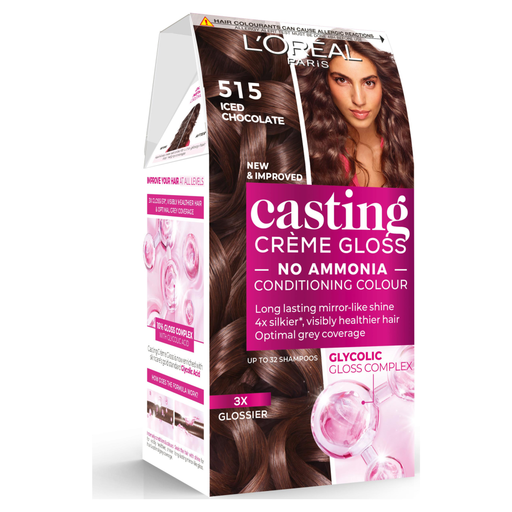
Why This Fits Their Persona: Perfect for someone in the UK wanting to experiment with a new tone or blend away their first few greys without the long-term commitment of visible roots. It's a low-risk way to add shine and richness.
As a semi-permanent hair colour, it avoids the trap of unwanted permanent results. Its ammonia-free formula is gentle, and it's marketed for "first grey coverage," setting realistic expectations.
The colour lasts for up to 32 washes, fading gradually without a harsh root line. The included conditioning treatment leaves hair feeling soft and looking glossy.
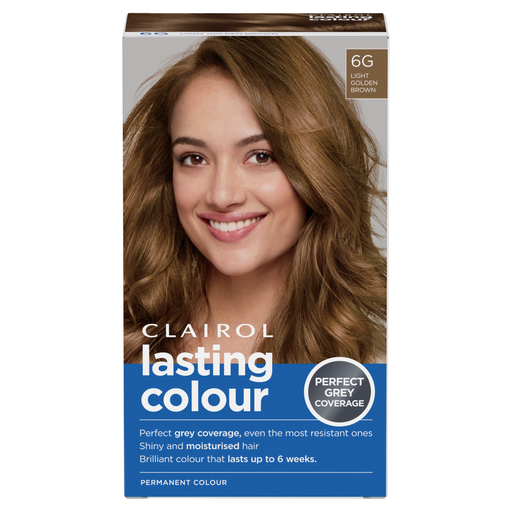
Why This Fits Their Persona: This user's primary goal is achieving full, opaque coverage on stubborn grey hair. They need a reliable, long-lasting solution that provides a uniform colour from root to tip.
It directly counters the "falls short" coverage trap by being a permanent hair dye specifically formulated for "perfect grey coverage." This ensures it has the potency needed for resistant hair.
This all-in-one kit provides colour that is stated to last up to 6 weeks. The included Colourlast Conditioner helps to maintain shine and moisture post-colouring.
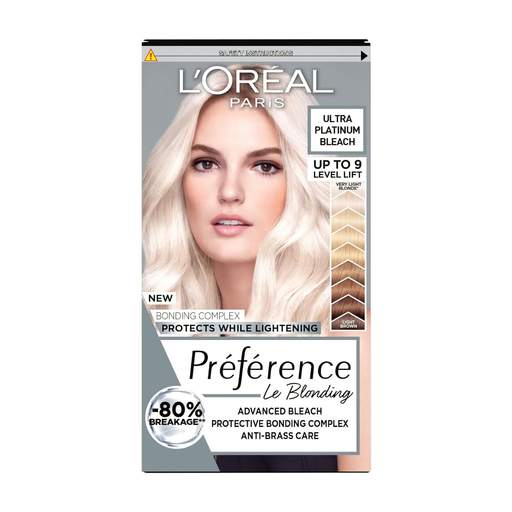
Why This Fits Their Persona: For those with darker hair aiming for a dramatic change to platinum blonde, a standard dye won't work. This user needs a high-lift formula designed for maximum lightening in one process.
It avoids the "unrealistic results" trap by being a specialist product. It's not just a blonde dye; it's an extreme lightening kit stated to provide up to 8 levels of lift, making a platinum result more achievable on dark hair.
The kit includes a reinforcing anti-brass conditioner. This is crucial for neutralising the unwanted yellow and orange tones that often appear when significantly lightening dark hair.
We have compiled a complete, real-time list of products that fully satisfy these strict selection criteria and UK safety regulations.
For permanent hair dye, it's generally advised to wait 4 to 6 weeks between full-head applications, primarily touching up the roots as they grow in. For semi-permanent hair colour, you can typically reapply as soon as the colour has faded to a point you're unhappy with, which could be after 20-30 washes. Always assess the condition of your hair before reapplying any chemical product.
This is a very common and practical question. If your hair is shoulder-length or longer, or if it is particularly thick, using two boxes is strongly recommended. This ensures you have enough product for full, even saturation, which is the key to avoiding a patchy, unprofessional-looking result. It's always better to have a little too much than not enough.
This depends on the product type and your hair's texture. Permanent hair dye offers the most effective and opaque grey coverage. Many kits from brands like Clairol hair dye and L'Oréal hair dye are specifically formulated for 100% grey coverage. However, if you have very resistant greys, look for a product that explicitly states it is for "stubborn greys" to ensure the best possible outcome.