
24/7 Customer Support

Free returns

Same-day & Next-day Delivery

Quality Guaranteed

Unlock Your Welcome Offers: FREE Delivery | Up to 80% OFF | Free 30-day JoyPlus trial
Download the APP
An at-home IPL hair removal device can offer a private, convenient alternative to shaving, epilating and regular salon appointments. However, choosing the right model involves more than comparing flash counts or glossy promises about “salon-quality results at home”.
The most suitable device depends on your skin tone, hair colour, treatment areas, routine and tolerance for ongoing maintenance. This guide explains the key specifications to check, common buying traps and our top recommendations for different UK shoppers.
IPL works by directing light towards pigment in the hair. It generally requires a contrast between the hair and surrounding skin. Many home hair removal devices are designed for naturally dark blonde, brown or black hair on fair to dark-brown skin, but compatibility varies.
They are usually unsuitable for white, grey, very light blonde or red hair, and some devices should not be used on very dark skin. Always check the manufacturer’s compatibility chart before ordering. A skin tone sensor can help select or limit the light intensity, but it does not make an incompatible device suitable for every user.
IPL is intended to reduce visible regrowth over a programme of treatments. It does not guarantee that every hair will disappear permanently. Results vary according to hair colour, skin tone, body area, hormonal changes and consistency.
Be cautious with claims such as “results after one session”. Some people may notice changes early, but a treatment schedule and occasional touch-ups are normally required. According to Philips’ own product information, selected Lumea models report up to 92% hair reduction after a specified number of treatments; individual results may vary.
A device may appear affordable until you discover that it is awkward to use on the bikini line, upper lip or the backs of your legs. Check whether it includes precision attachments, whether it is corded or cordless and how long a full-body session takes.
Cordless use provides flexibility, while corded operation offers consistent power. For UK bathrooms, also check the plug specification and follow the manual’s electrical safety guidance. Do not use a mains-powered appliance near water unless the instructions specifically permit it.
Automatic sensors, such as Braun SensoAdapt or Philips SmartSkin technology, read the skin and adjust or recommend an appropriate intensity. These features can make setup easier, but you should still complete the required patch or skin-tone test.
Look for skin-contact sensors, a UV filter where specified and clear instructions covering tattoos, moles, sunburn, irritated skin and recently tanned areas. Avoid flashing over tattoos, permanent makeup or damaged skin. Devices should be used only as directed, and protective eyewear should not be added or removed contrary to the manufacturer’s instructions.
Check whether the model is suitable for the areas you want to treat: legs, arms, underarms, bikini line and upper lip are common examples. Face attachments are not automatically suitable for every facial area. Follow the manual carefully, particularly around the eyes and for intimate areas.
Before IPL hair removal, shave the treatment area rather than waxing or epilating. IPL targets the hair beneath the skin, while waxing and epilation remove it from the root.
A useful home hair removal device should fit into your routine. Braun models listed here offer full-body sessions of approximately 10 minutes under stated conditions, while Philips lists around 8.5 minutes for both lower legs on selected models.
Compare:
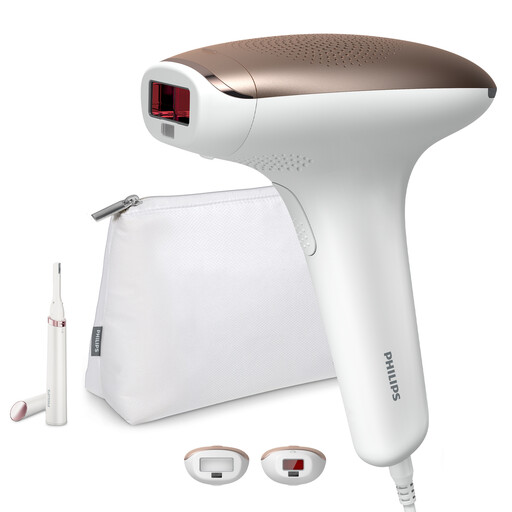
Why This Fits Their Persona: A practical corded option for first-time users who want body and precision attachments without paying for app-led features.
Its SmartSkin sensor helps with intensity selection, while the corded design avoids battery limitations during longer sessions.
Five light settings, body and precision attachments and no replacement lamp required according to the listed specification.
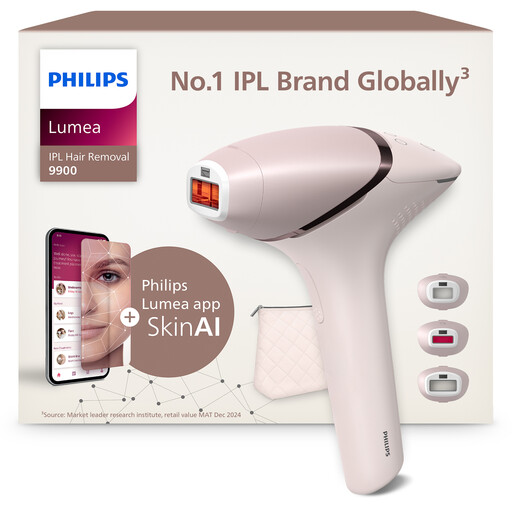
Why This Fits Their Persona: Suitable for shoppers wanting both corded and cordless use, curved attachments and app-based treatment support.
The compatibility information clearly excludes very dark skin and white, grey, light blonde or red hair, helping prevent unsuitable purchases.
Includes body, face and precision attachments, five light settings, SenseIQ technology and app connectivity.
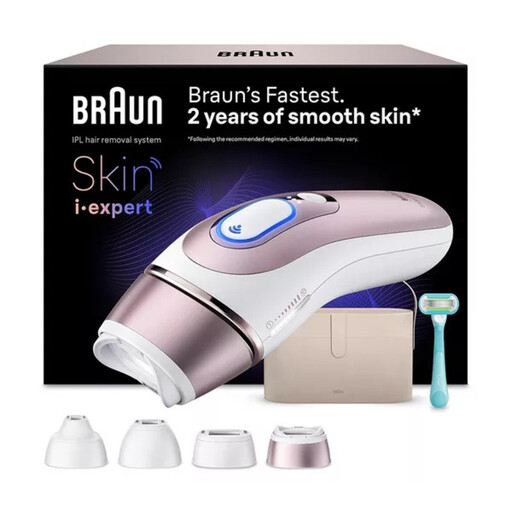
Why This Fits Their Persona: Designed for users who want structured guidance when treating legs, arms, underarms, bikini line and upper lip at home.
The companion app provides step-by-step guidance and coverage tracking, reducing the risk of missed areas or inconsistent sessions.
Automatic skin-tone detection, Smart Flex head, three dedicated heads and an approximately 10-minute full-body session specification.
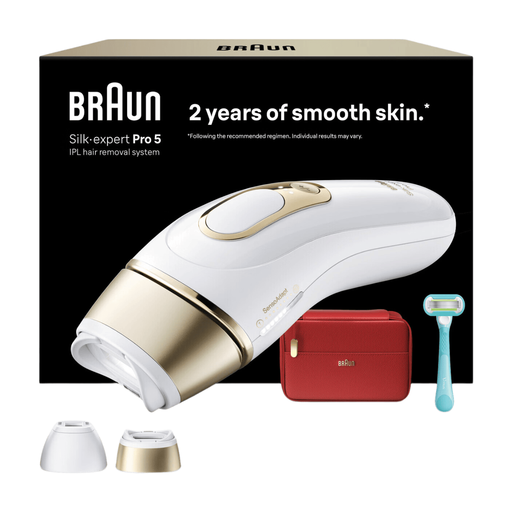
Why This Fits Their Persona: A corded full-body IPL hair remover for women and other adults who prefer quick sessions without managing battery charge.
Its automatic SensoAdapt reader and gentle, normal and extra-gentle modes address the need for controlled use across different body areas.
Two attachment heads, up to 125 flashes per minute, 10 intensity levels and a listed full-body treatment time of approximately 10 minutes.
We have compiled a complete, real-time list of products that fully satisfy these strict selection criteria and UK safety regulations.
IPL and laser use different types of light, so they are not identical technologies. An at-home IPL device can be a convenient alternative for suitable users who prefer private, repeatable treatments at home. It should not be treated as a medical device or assumed to provide the same process as professional laser treatment.
Lifespan depends on the model, flash design, storage and frequency of use. Many listed devices have lamps designed for extended or lifetime use, but check the individual specification. Keep the device clean, dry and stored according to the manual. Ongoing touch-ups may be needed even when visible regrowth has reduced.
The main running costs are usually the initial device purchase and electricity, with some models requiring no replacement lamp. Whether it costs less than salon treatment depends on the device price, your treatment frequency and how long you continue using it. Compare the complete ownership cost rather than relying only on the upfront price.