
24/7 全天候客户支持

免费退货

当日/次日达

品质保障

开启新人专享福利: 全场免邮 | 低至 2 折 | 免费试用 30 天 JoyPlus 会员
下载 Joybuy
As a Joybuy Product Recommendation Officer, my role is to help you navigate the crowded skincare market. Many of us in the UK are looking for ways to achieve a brighter, more even complexion from the comfort of our homes. However, the world of at-home treatments is filled with confusing claims and products that often underdeliver. This guide will help you understand what truly matters when selecting an at home skin brightening treatment, ensuring your investment leads to the results you want.
Before spending your money, it's crucial to recognise the common marketing traps that lead to disappointment. Many products look promising on the surface but fail in practice.
To make a smart choice, focus on the objective specifications of a product. Here are the key parameters to analyse for both devices and topical treatments.
At-home skincare devices use different technologies to achieve results. Understanding them is key to matching a product to your goals.
When choosing a brightening sheet mask, the ingredient list and the material of the mask itself are paramount.
Instead of a one-size-fits-all approach, we've matched specific products to different user needs and lifestyles.
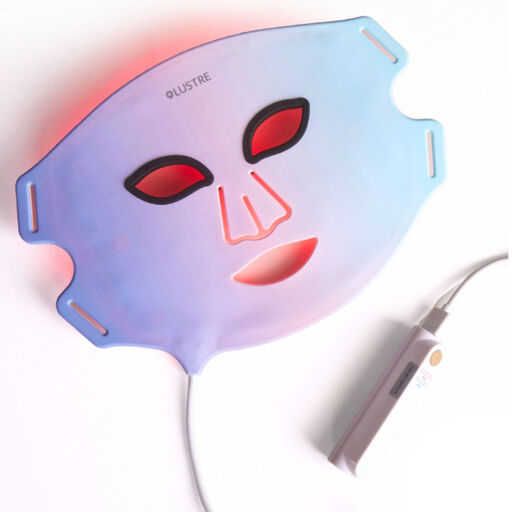
Why This Fits Their Persona: This user wants a single, effective device to tackle multiple concerns, from signs of ageing to occasional breakouts. The LUSTRE mask offers both red and blue light therapy in a convenient, hands-free design that fits easily into a weekly routine.
It avoids the impractical design pitfall. Its flexible silicone material contours to the face, ensuring more even light distribution compared to rigid plastic masks.
Features both red light (640nm) for anti-ageing and blue light (465nm) for blemish-prone skin. The 10-minute auto shut-off makes sessions simple and consistent.
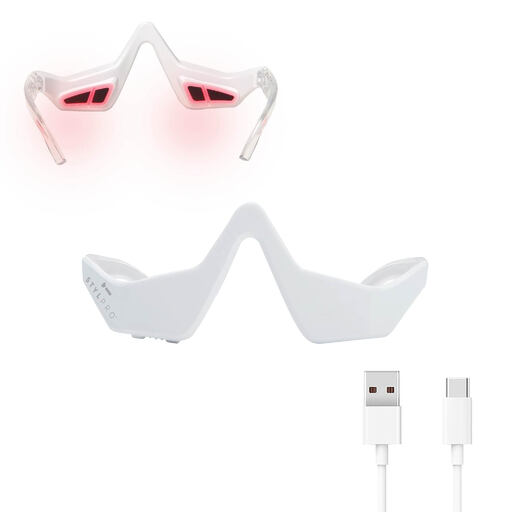
Why This Fits Their Persona: This user is focused on the eye area, concerned with fine lines, puffiness and dark circles. They want a specialised tool that delivers targeted technology exactly where it's needed, without paying for full-face features they won't use.
It directly counters the trap of using a generalised tool for a specific problem. By focusing only on the eyes, it delivers a concentrated combination of EMS and red light therapy.
Combines two distinct technologies—EMS and Red LED—for a multi-action approach to eye care. The hands-free glasses design makes it exceptionally easy to use while relaxing.
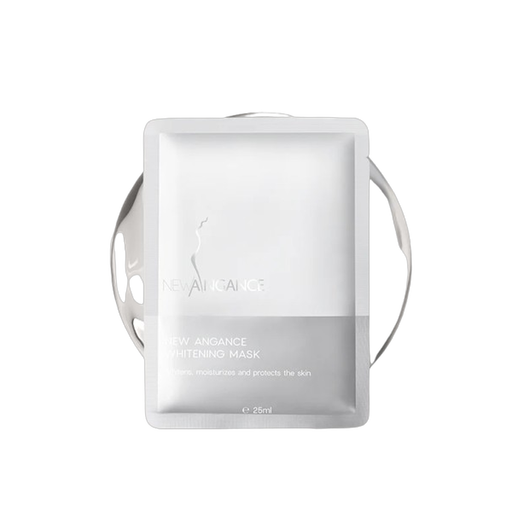
Why This Fits Their Persona: This user needs an effective brightening solution for their skincare for dull skin but is cautious due to sensitivity. They prioritise gentle, soothing formulations that won't cause irritation while still delivering visible results.
It avoids the "miracle ingredient" trap by pairing its brightening actives (Arbutin, Melaclear 2) with a known soothing agent, Dipotassium Glycyrrhizinate, to ensure the formula is balanced and gentle.
The mask is made from ultra-fine, natural Lyocell fibre, which is exceptionally soft and ideal for sensitive skin. The formula is designed to soothe while it brightens.
We have compiled a complete, real-time list of products that fully satisfy these strict selection criteria and UK safety regulations.
Here are answers to a few common questions UK users have about at-home brightening treatments.
Consistency is more important than session length. Most manufacturers recommend using their devices for 10-20 minutes, 3 to 5 times per week. It is important to follow the specific instructions provided with your device, as overuse will not accelerate results and could lead to skin sensitivity.
Yes, this is a popular combination. A common method is to use the LED mask on clean, dry skin first, as the light penetrates better without a barrier. Afterwards, you can apply a brightening sheet mask to infuse the skin with hydration and active ingredients. Always check the device's manual, as some may have different recommendations.
Most topical even skin tone products and LED devices are designed to be safe for a wide range of skin types. However, it is vital to read the contraindications. For example, individuals with photosensitivity, epilepsy or who are pregnant should consult a healthcare professional before using light therapy devices. If you have a known skin condition or are using prescription skincare, it is always best to seek advice from your GP or a dermatologist before starting a new treatment.