What matters when choosing a recorder?
For a home poetry reading, work out whether room sound, simple solo operation, computer recording or future microphone connections matter most to you. Then check the exact model’s inputs and recording modes rather than relying on the recorder category alone.
| Concern |
What to check |
Who this matters to |
| Voice and room balance |
Try different microphone distances in your room; check whether an external microphone input suits your planned setup. |
I want my voice to remain clear without too much room sound or household noise. Around 31% of consumers may put voice and room balance first. |
| Simple level setting |
Check for 32-bit-float recording if you want less gain-setting work, alongside usable controls and a way to review takes. |
When reading alone, I want to start promptly and worry less about changes in speaking volume. Roughly 31% of consumers may make simple level setting their primary concern. |
| Computer workflow |
Check whether the model operates as a USB microphone or audio interface with your device and software. |
I want to record into editing software as well as make standalone takes. Around 23% of consumers may prioritise that direct computer workflow. |
| Room to expand |
Match the input type, phantom-power provision and track count to the microphones or additional sources you intend to use. |
If I later add an XLR microphone or another source, I do not want the recorder’s connections to limit that setup. Roughly 15% of consumers may put expansion first. |
Joybuy recorders for solo readings
These portable voice recorders are choices for capturing a solo reading without a computer at the point of recording. If your plan depends on 32-bit float, an external XLR microphone or direct recording into computer software, check those capabilities on the exact model before choosing.
 No image available
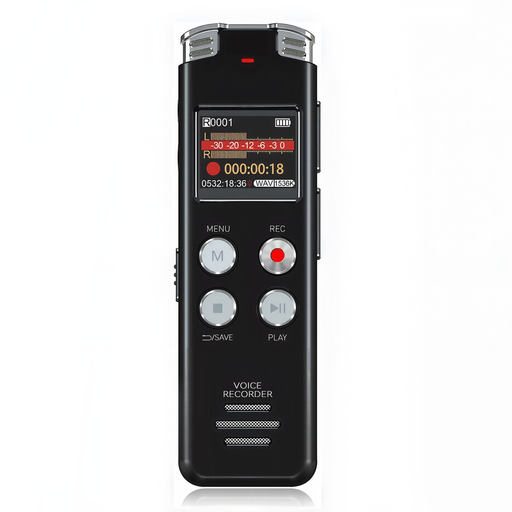
Rexsun L357 128GB Portable Digital Voice Recorder, Grey
A portable option to consider for standalone solo readings. The listed variant has 128GB and an LCD screen; test microphone placement in your room, and confirm input or computer-recording capabilities if your setup requires them.
Joybuy
 No image available
Rexsun L810 64GB One-Touch Digital Voice Recorder, Grey
Consider this model if one-touch operation suits the way you make solo takes. Check its microphone and connection options before relying on it for close-miked voice capture or direct computer recording.
Joybuy
 No image available
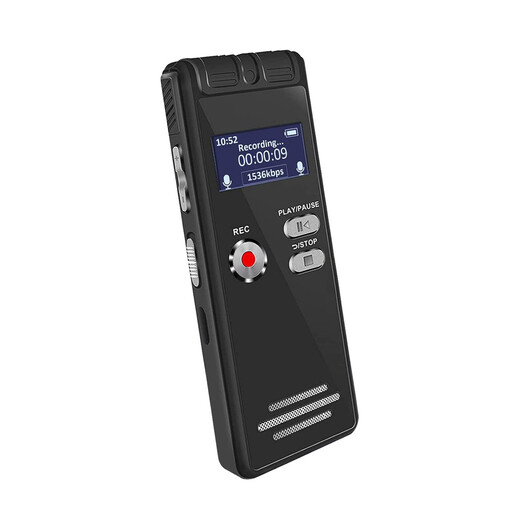
Rexsun L15 64GB Portable Digital Voice Recorder, Grey
A portable model to consider for solo takes, with an LCD screen listed in its name. Confirm how the stated 64GB storage is supplied before buying, as well as any microphone input your planned setup needs.
Joybuy
 No image available
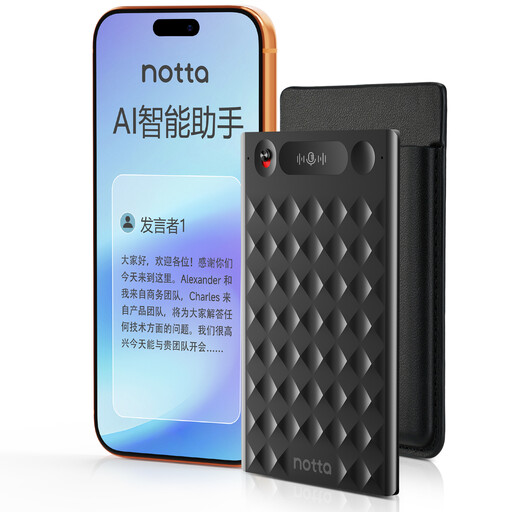
32GB AI Voice Recorder with Case, Black
Consider this one-press recorder if you also want to work with transcripts through its app. Check the recording format, audio export and app-access arrangements against your editing workflow before choosing it for poetry readings.
Joybuy
Questions about recording poetry
Do I need 32-bit-float recording for poetry readings?
No: it is an option if your speaking volume varies or you want less input-gain adjustment. Zoom and Tascam describe that level-setting benefit for their specified models, but you still need suitable microphone placement and a room you can record in.
Where should I put the recorder or microphone?
Test several positions in the room where you will read, then listen for the balance between your voice and room sound. Shure recommends changing distance and position to find the desired result rather than applying one fixed distance to every voice and room.
When should I choose XLR/TRS inputs?
Choose a recorder with suitable XLR/TRS inputs if you plan to connect a conventional XLR microphone or record additional external sources. Zoom specifies two XLR/TRS combo inputs and phantom power for the H4essential; check the microphone’s own power and connection requirements too.
Can I publish a recording of somebody else’s poem in the UK?
Do not assume that access to a poem gives you permission to record and publish it. GOV.UK advises that use of copyright material depends on permission, licensing, ownership or an applicable exception; check the rights in the particular work and your intended use before publication.
Do I need a music licence just to record my own poem at home?
A private recording session is not, by itself, the public music use addressed in GOV.UK’s music-licensing guidance. If you add protected music or plan to use the recording publicly, check the rights and licensing requirements for that particular use.


