For documentary narration in an untreated room, start with a microphone you can position close to the speaker, then choose a recorder with the input that microphone needs. A two-input XLR recorder is a practical route for solo voice-over; extra inputs or timecode become relevant when the same setup must also handle several sources or picture sync. As Zoom, Tascam and Shure describe their respective recorder and microphone features, 32-bit-float recording can help with level-setting errors, but it cannot control room reflections.
Who is this setup for?
Solo narrators seeking a less room-heavy voice track
If you record one voice-over in a reflective bedroom, office or temporary space, you need to consider whether an external cardioid microphone can be positioned close to you and connected to your recorder.
One-person documentary producers
If your recorder must also capture interviews, room tone or sound for camera footage, the number of simultaneous inputs and the ability to keep sources on separate tracks may shape your choice.
Sound-focused field crews
If your shoots involve several microphones, monitoring and picture sync, a more specialised field-recording workflow may matter more than a compact handheld setup.
What matters when choosing?
For narration in an untreated room, decide how you will position the microphone before paying for additional recorder channels or recording formats. Then count the sources you need to record at the same time.
| Concern |
What to check |
Who this matters to |
| Room and background pickup |
Check for an input compatible with your chosen external microphone, and whether that microphone can be positioned close to the narrator. |
If my room sounds reflective, I want more control over where the microphone sits and what it picks up. Roughly 36% of consumers put room and background pickup first. |
| Solo recording and levels |
Check whether 32-bit float works on the input you intend to use, and whether you can monitor the take with headphones. |
When I am performing and recording alone, I need to catch noises during the take without constantly adjusting levels. Around 29% of consumers primarily favour this solo-recording workflow. |
| Multiple sources and sync |
Count the microphones needed simultaneously; if picture sync matters, check the required timecode connections and accessories. |
If narration is part of a shoot with interviews or several microphones, I need to keep those sources manageable as separate recordings. Approximately 21% of consumers make multi-source capability their main concern. |
| Portable capture |
Check whether the recorder offers built-in microphones, a compatible 3.5 mm input or XLR inputs, according to how you plan to place the microphone. |
For quick reference narration or dialogue on the move, I would accept fewer connection options to carry a smaller setup. Roughly 14% of consumers put portability ahead of expansion. |
Mistakes to avoid
-
Expecting 32-bit float to fix the room
32-bit float addresses recording-level mistakes, not reflections reaching a distant microphone. Even with that format, microphone position affects the narration you capture.
Choose the microphone and its placement first, confirm the recorder has the right input, and monitor a take in the room.
An external-microphone setup may also require a cable, stable stand or boom, pop control and headphones.
-
Using onboard stereo microphones from across the room
Built-in X/Y microphones are convenient for ambience or quick capture, but relying on the recorder's position gives you less freedom to place a directional microphone close to the narrator.
For a finished voice-over, compare a close external-microphone setup with a monitored test of the onboard microphones before choosing between them.
-
Buying channels and timecode you will not use
Additional inputs and field-recording controls serve multi-source production, but they add setup decisions to a one-microphone narration session.
Count your simultaneous microphones and establish whether you need picture sync. If neither requires expansion, assess a two-input recorder before moving to a larger setup.
Relevant brands to consider
Zoom
Zoom's Handy Recorder range includes compact onboard-microphone models and handheld recorders with external microphone inputs.
- Zoom lists two XLR/TRS inputs and 32-bit-float recording for the H4essential, giving a solo narrator a route to an external microphone.
- The H6essential offers four XLR/TRS inputs, but those additional connections need a purpose in a one-microphone workflow. Onboard X/Y microphones alone do not control a reflective room.
Tascam
Tascam's Portacapture handheld range offers touchscreen-led recording workflows and options for connecting external microphones.
- Tascam lists two XLR inputs on the Portacapture X6, which can accommodate an external-microphone approach to solo narration.
- The additional source options of the Portacapture X8 are relevant mainly when the recording job extends beyond a simple voice-over.
Sound Devices
Sound Devices' MixPre range is aimed at more involved location-sound workflows.
- Sound Devices lists three microphone preamps, up to five tracks and timecode functions for the MixPre-3 II, features to assess for multi-source work and picture sync.
- That field-recording workflow may involve more controls than occasional narration with one microphone requires.
Joybuy product choices
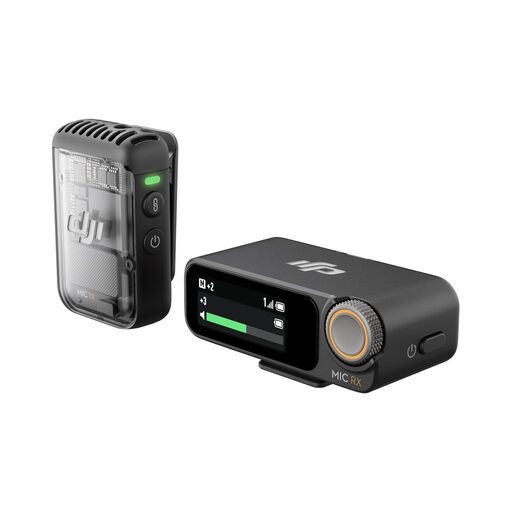
This wearable DJI microphone system is a portable recording option for a solo narrator who wants to position a transmitter close to the speaker. It is not an XLR handheld recorder: check how you will monitor and transfer recordings, and test how the microphone picks up your room before relying on it for finished narration.
 No image available
DJI Mic 2 Wireless Microphone (1 TX + 1 RX)
Consider this one-transmitter set if you want a wearable microphone for solo narration rather than a handheld recorder positioned elsewhere in the room.
The product title specifies 32-bit-float recording. Confirm that its recording, monitoring and file-transfer workflow suits your editing setup, and listen to a test take in your room.
View on Joybuy
Common questions
Can 32-bit-float recording remove echo from narration?
No. The recording format can give you more leeway with levels, but it does not prevent room reflections from reaching the microphone. For an untreated room, start by positioning a suitable directional microphone close to the narrator and monitoring the result.
Are built-in microphones enough for finished documentary narration?
They can be useful for quick capture, ambience or reference recordings, but an external microphone gives you more freedom to position it close to the speaker in a reflective room. Compare monitored test recordings rather than assuming every onboard microphone will give the same result.
Do I need a recorder with phantom power?
Only if your chosen external microphone requires it. Check that microphone's power requirement against the recorder's input specification; Zoom lists phantom-power support for the H4essential's XLR/TRS inputs.
How should I dispose of an unwanted recorder or its batteries?
Do not put unwanted electrical products or batteries into household rubbish. The UK Office for Product Safety and Standards advises recycling them through an appropriate collection route; check local arrangements for the recorder and its batteries.


