Echo-conscious solo narrator
You record slow, close-sounding narration in a reflective bedroom or study. Shure's microphone-placement guidance makes proximity worth considering: a distant microphone captures more of the room along with your voice.


Choose a recording setup that lets you place the microphone close to your voice: in an untreated room, microphone position matters more to the balance between speech and reflections than the recording format alone. A recorder with a compatible external-microphone input gives you another close-placement option, while 32-bit-float recording can make level-setting less demanding; neither feature removes room echo. Check monitoring, storage and the accessories needed for your intended setup before buying.
You record slow, close-sounding narration in a reflective bedroom or study. Shure's microphone-placement guidance makes proximity worth considering: a distant microphone captures more of the room along with your voice.
You record regularly and want less manual attention to levels, but may also want to connect a closer microphone later. The exact recording mode and microphone connection both matter to that workflow.
You mainly want straightforward voice capture, local storage and easy file transfer for drafts or simple takes. Before using a compact voice recorder for finished narration, check whether its connection and monitoring options meet your needs.
Start with a microphone position that favours your voice over room reflections. Then decide whether simpler level-setting, additional connections or portability matters most to your recording routine.
| Concern | What to check | Who this matters to |
|---|---|---|
| Room reflections | Can you position the microphone close to your voice? If using an external microphone, check its connector and power requirements. | When my room makes speech sound distant, I need a practical close-microphone position more than another recording format. Around 36% of consumers put room control first. |
| Recording levels | Confirm 32-bit-float support on the exact model and follow a recording-to-editing workflow that handles its files. | If I record quiet passages and louder cues in one take, I want to spend less time setting levels. For around 29% of consumers, level management is the primary concern. |
| Connections and monitoring | Check microphone-input compatibility and how you will monitor sound; confirm USB operation if you intend to record to a device. | I may add a lavalier or record to my computer later, so I need connections that fit that plan. Expandability comes first for around 21% of consumers. |
| Portability and files | Check storage media, supported capacity, transfer method and what comes in the box. | For drafts made in different locations, I value a recorder I can carry and transfer files from easily. Around 14% of consumers prioritise simple portable capture. |
32-bit-float recording can reduce level-setting difficulties, but Shure notes that a microphone cannot separate wanted speech from room reverberation already reaching it.
Try a close, stable microphone position first. Treat 32-bit float as help with recording levels, not as a substitute for addressing reflections.
A handheld recorder positioned too far from the narrator can capture prominent room reflections, whatever its stereo microphone arrangement.
If you plan to use a lavalier or another close microphone, choose a recorder with a documented input that matches the microphone and its power requirements.
That setup can also mean carrying a compatible microphone, cable and mount.
Low-cut filtering addresses low-frequency noise, not reflected speech. Tascam lists low-cut options for the DR-07XP, but microphone placement remains a separate decision.
Use filtering for suitable rumble problems; assess reflections by moving the microphone closer and considering temporary soft materials around the recording area.
If an organisation records people who can be identified, the Information Commissioner's Office explains that personal-data obligations may apply. What is required depends on who is recorded and how the files are used.
Before recording a client or group session, establish the purpose, who can access the files and how they will be stored and retained; seek advice specific to the recording practice where needed.
These product lines illustrate different approaches to spoken-word recording; a brand's inclusion does not establish that every model has the same connections or recording modes.
The H1essential is a handheld option for recording with built-in microphones or exploring a compatible external microphone.
The DR-07XP combines adjustable built-in stereo microphones with external-input and USB-C interface options.
The UX570 is a compact voice-recorder option for straightforward spoken-word capture and file handling.
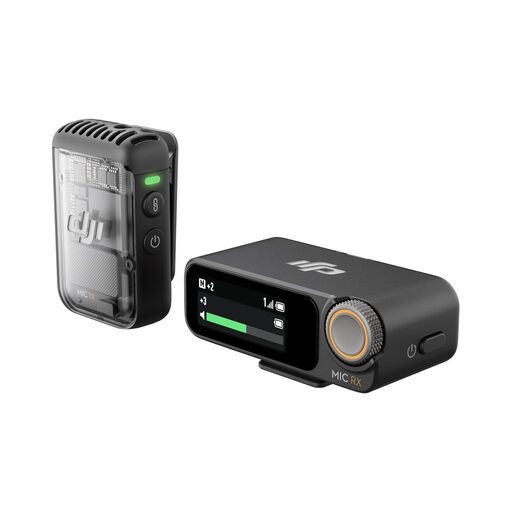
This wireless microphone kit is a close-placement option for narration, rather than a conventional handheld recorder. Check how its transmitter records and how you would monitor a take before using it for your guided meditations.
 No image available
For a solo narrator considering a microphone clipped close to the voice, check whether the transmitter's placement works with your recording position; close placement cannot eliminate room reflections.
The listed kit includes 1 TX and 1 RX and advertises 32-bit-float recording. Confirm the standalone transmitter recording workflow and how you will monitor a take before choosing it instead of a handheld recorder.
No. Shure explains that a microphone cannot separate the intended voice from reverberation reaching it. Place the microphone closer to your voice and consider ways to reduce reflections around the recording area.
It can make level-setting less demanding if the exact recorder and your editing workflow support it. Zoom and Tascam describe this benefit for their specified handheld models; it does not correct microphone distance or room echo.
A low-cut filter can help with low-frequency rumble, but it will not remove reflected speech. Tascam offers low-cut settings on the DR-07XP; assess microphone placement and the recording area separately.
Check the listed package against your intended setup, including storage media, headphones and any compatible external microphone, cable or mount you plan to use. Confirm connector, power and card compatibility for the exact model rather than assuming an accessory is included.
If an organisation records people who can be identified, UK data-protection obligations may apply. The Information Commissioner's Office advises organisations to consider the lawful basis and purpose for processing personal data, as well as its security and retention; obtain advice for the particular session and use of its files.