
24/7 Customer Support

Free returns

Same-day & Next-day Delivery

Quality Guaranteed

Unlock Your Welcome Offers: FREE Delivery | Up to 80% OFF | Free 30-day JoyPlus trial
Download the APP
Australian Shiraz wine is popular with UK drinkers because it can offer ripe fruit, soft tannins and a generous style that works well with everyday meals. However, choosing online is not always straightforward. Labels may use phrases such as “smooth”, “rich” or “full-bodied” without explaining how the wine will actually suit your taste, food or budget.
Before you buy Shiraz online, look beyond the front label and check the region, alcohol content, bottle size, dietary information and storage guidance. These details help you avoid paying for a style you may not enjoy or ordering more bottles than you can use.
Australian Shiraz ranges from approachable, fruit-led South Eastern Australian wine to more concentrated Barossa Valley Shiraz. Climate and region influence the final style, but the producer’s winemaking choices also matter.
A warmer regional style may show ripe plum, blackberry, spice and oak, while a cooler-climate bottle may feel lighter, more peppery and fresher. If you prefer a smooth Shiraz for casual drinking, look for rounded fruit and softer tannins. If you want a full-bodied red wine for a roast or barbecue, consider a richer bottle with higher alcohol and more structure.
“Smooth” is a useful tasting description, but it is not a regulated quality grade. A wine can feel smooth because it has ripe fruit, soft tannins or oak influence, while another may be labelled smooth but still taste too intense for your preference.
Check the ABV and tasting profile together. Wines in this selection range from 11.0% to 14.5% ABV. Alcohol can contribute to a fuller mouthfeel, but it also affects the number of units in the bottle.
A wine case deal can reduce the cost per bottle, but only if you have suitable storage and occasions planned. Once opened, most listed wines should be resealed and consumed within a few days, with exact guidance varying by product.
Unopened red wine should generally be kept in a cool, dark place away from sunlight and temperature fluctuations. Do not assume that every Australian Shiraz is intended for long-term cellaring; many approachable bottles are designed to be enjoyed relatively young.
A standard bottle is 75cl, also shown as Shiraz 75cl. A 750ml bottle at 13.5% ABV contains approximately 10.1 UK units, while a 14.5% bottle contains approximately 10.9 units. The exact figure should be checked on the product page or label.
The UK Chief Medical Officers’ low-risk drinking guidance advises adults not to regularly exceed 14 units per week. Alcohol is for adults aged 18 and over only. It is not suitable during pregnancy, and you should never drink and drive.
Use the region as a guide rather than a guarantee:
The product description, ABV and serving advice are useful alongside the region when selecting a bottle.
Wine commonly contains sulphur dioxide and sulphites, which must be declared as allergens. Anyone sensitive to sulphites should read the label carefully.
Some bottles are marked vegetarian and vegan-friendly, including Hardys Stamp Shiraz, McGuigan Black Label Shiraz, Petes Pure Shiraz and Rosemount Estate Diamond Selection Shiraz. Corryton Burge Barossa Shiraz is listed as suitable for vegetarians, but its information notes that it may not be suitable for vegans depending on fining agents. Contact the manufacturer if vegan suitability is essential.

Why This Fits Their Persona: A practical starting point for shoppers seeking an approachable South Eastern Australian wine for relaxed dinners or occasional hosting.
The listing provides a clear 13.5% ABV, approximately 10.1 UK units per bottle, and identifies sulphites and vegan suitability.
Blackberry and plum notes, subtle spice and oak, with a stated smooth, full-bodied finish.

Why This Fits Their Persona: Suitable for a dinner host or gift buyer looking for a more structured Barossa Valley Shiraz with a substantial food presence.
The product information specifies the Barossa Valley origin, 14.5% ABV and approximately 10.9 UK units per 75cl bottle.
Dark plum, blackberry, vanilla, sweet spice and oak, with a full-bodied texture and pairing suggestions including ribeye and lamb.
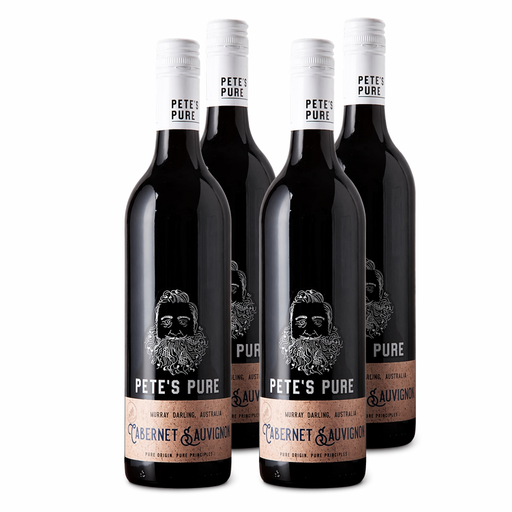
Why This Fits Their Persona: A case format suits regular hosts, larger households and shoppers planning several meals or gatherings.
The case listing gives the 13.0% ABV, bottle units and storage guidance, helping you assess quantity before ordering.
Dark berry, plum, black pepper and vanilla notes; listed as suitable for vegetarians and vegans.
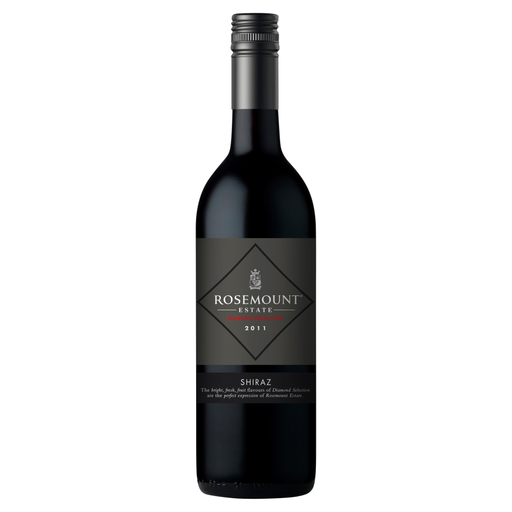
Why This Fits Their Persona: Its medium-bodied profile and broad food compatibility make it practical for midweek pasta, grilled meat or sharing plates.
The listing identifies the South Eastern Australia origin, 14.0% ABV and approximately 10.5 UK units per bottle.
Plum and blackberry flavours, soft tannins and stated vegan-friendly suitability.
We have compiled a complete, real-time list of products that fully satisfy these strict selection criteria and UK safety regulations.
Match the wine’s weight with the meal:
Serve most red Shiraz at around 16–18°C rather than warm room temperature. A short period in the fridge can help if your home is particularly heated. Reseal opened wine and follow the product’s consumption guidance.
Shiraz is one type of Australian red wine, made primarily from the Shiraz grape. Australian red wine also includes varieties such as Cabernet Sauvignon, Merlot and Pinot Noir. Shiraz is commonly associated with dark fruit, spice and a rounded texture.
Most listed products recommend consuming an opened bottle within two to five days, depending on the specific wine. Reseal it firmly, store it in the fridge and allow it to return towards serving temperature before drinking.
A case deal may offer a lower cost per bottle, but compare the total price, case quantity, storage space and expected consumption. For occasional drinkers, individual 75cl bottles can provide more flexibility. For regular hosts, a case may be more convenient. Always check the current product listing for price and delivery details.