
24/7 Customer Support

Free returns

Same-day & Next-day Delivery

Quality Guaranteed

Unlock Your Welcome Offers: FREE Delivery | Up to 80% OFF | Free 30-day JoyPlus trial
Download the APP
Australian Shiraz wine is a practical choice for UK drinkers who enjoy ripe fruit, gentle spice and a rounded red wine style. It can suit a midweek pasta dinner, a barbecue, a dinner party or a gift, but the bottles available online are not interchangeable.
The main difficulty is separating useful product information from broad marketing language. Terms such as “bold”, “smooth” and “premium” can mean different things from one bottle to another. Before you buy Australian Shiraz online, check the details that affect taste, strength, serving and value.
Shiraz can range from medium-bodied and fruit-led to rich, concentrated and heavily oaked. A label describing dark berries does not automatically indicate a powerful wine. Check the alcohol percentage, stated body, origin and tasting notes together.
For example, a 13% Australian red wine may feel more approachable than a 14.5% Barossa Valley Shiraz, although winemaking and serving temperature also influence the experience.
A smooth Shiraz wine may still have noticeable tannins, spice or oak. “Smooth” usually refers to the perceived texture and finish rather than a regulated style. If you prefer a softer glass, look for descriptions such as round mouthfeel, soft tannins or velvety texture, while remembering that these remain tasting descriptions rather than guarantees.
A Shiraz wine case deal can reduce the cost per bottle, but it only represents value if you have enough occasions to drink it. Consider storage space, drinking pace and whether the wine is suitable for different meals. A six-bottle purchase may work well for regular hosts, while an individual Shiraz 75cl bottle is more practical for trying a new style.
Most options in this selection are 75cl, the standard wine bottle size in the UK. Alcohol strength varies: McGuigan Black Label Shiraz is listed at 12.5% ABV, Petes Pure Shiraz at 13.0%, and Corryton Burge Barossa Shiraz at 14.5%.
The alcohol units can differ accordingly. A 75cl bottle at 13% contains approximately 9.8 UK units, while a bottle at 14.5% contains approximately 10.9 units. Check the product page and packaging for the current figures, and drink responsibly. Alcohol should be avoided during pregnancy, and products are restricted to customers aged 18 and over.
“South Eastern Australia” generally identifies a broad regional blend, while Barossa Valley Shiraz points to a specific South Australian region associated with ripe, concentrated red wines. Neither description alone determines whether a bottle will suit you, but region helps establish expectations.
For lighter-feeling options, look for medium-bodied descriptions, fresh fruit and silky tannins. For a full-bodied red wine, look for dark-fruit flavours, higher ABV, oak notes and a longer finish.
Wine commonly contains sulphur dioxide and sulphites, which must be considered by customers with sensitivities. Vegetarian and vegan suitability also varies. McGuigan Black Label, Petes Pure Shiraz and Rosemount Estate Diamond Selection are listed as vegetarian and vegan friendly. Corryton Burge is listed as suitable for vegetarians, but its vegan suitability requires confirmation from the manufacturer.
Read the individual listing rather than relying only on the front label. Vintage, packaging and formulation details can change.
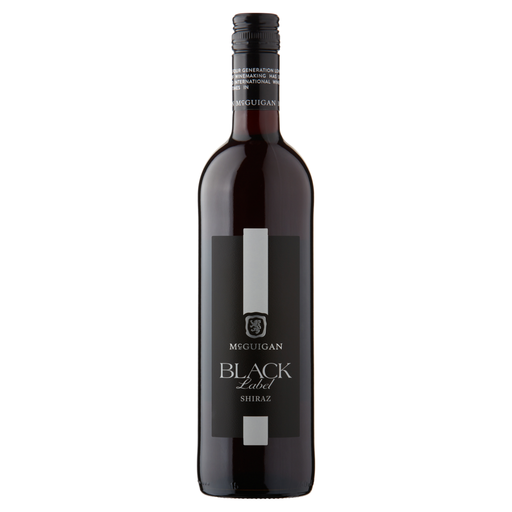
Why This Fits Their Persona: A straightforward everyday bottle for shoppers trying Australian Shiraz without committing to a more concentrated regional style.
The listing provides a clear 12.5% ABV, 9.4 UK units per bottle and a stated smooth finish, making comparison easier than relying on front-label wording alone.
Plum, blackcurrant and spice notes; listed as vegetarian and vegan friendly; suitable for tomato-based Italian dishes and red meat.

Why This Fits Their Persona: A regional choice for shoppers seeking a richer Australian Syrah style for dinner occasions or gifting.
Its stated Barossa Valley origin and 14.5% ABV give more useful context than an unsupported “premium” label.
Dark fruit, vanilla, spice and oak notes; full-bodied profile; suited to steak, lamb and aged hard cheeses.
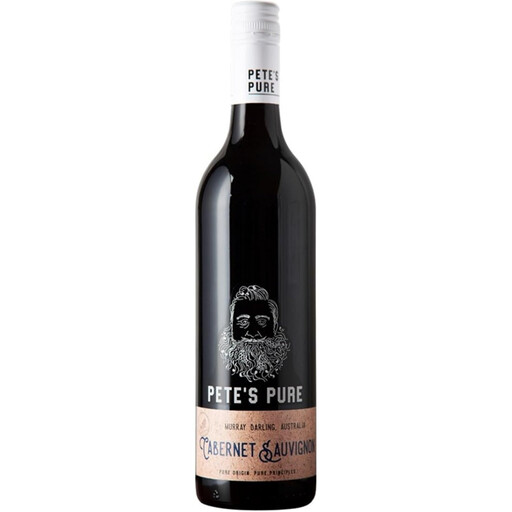
Why This Fits Their Persona: Its described full-bodied, rounded texture makes it suitable for robust dishes and sharing with guests.
The listing specifies 13% ABV, 9.8 UK units per bottle and serving guidance of 16–18°C, helping hosts plan portions and presentation.
Dark berry, plum and spice notes; vegetarian and vegan friendly; pairs with steak, lamb, stews and strong cheeses.
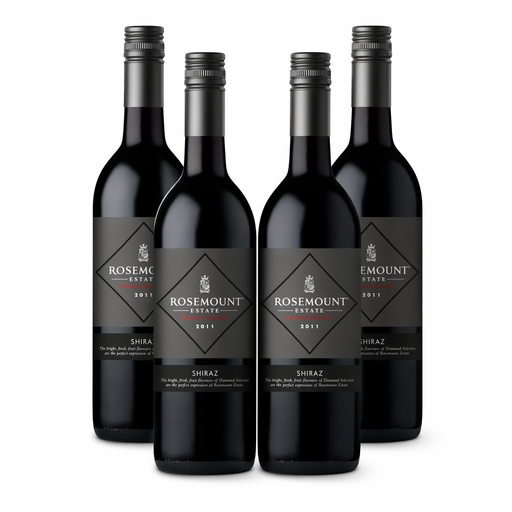
Why This Fits Their Persona: A multi-bottle option for households that regularly serve Australian red wine with meals or social gatherings.
The case format is easier to assess because the individual bottle size, 14% ABV and approximately 10.5 units per bottle are stated.
Medium-bodied style with plum, blackberry and spice notes; listed as vegetarian and vegan friendly; suitable for pasta, grilled meat and cheese.
We have compiled a complete, real-time list of products that fully satisfy these strict selection criteria and UK safety regulations.
Serve most Australian Shiraz slightly below typical room temperature, around 16–18°C, rather than warm. Store unopened bottles in a cool, dark place away from direct sunlight and temperature changes. Once opened, reseal and refrigerate where the product guidance recommends it, then consume within the stated period.
For red wine for food pairing, match the wine’s weight with the dish:
Yes. Shiraz and Syrah refer to the same grape variety, although the names often signal different regional traditions or styles. Australian producers commonly use “Shiraz”, while “Syrah” may appear on product descriptions or labels.
Many listings recommend resealing and consuming an opened bottle within two to five days, depending on the product. Refrigeration can help preserve freshness, but follow the storage instructions on the bottle or product page.
A case may offer a lower cost per bottle, but compare the total price, bottle quantity, delivery charges and your expected drinking occasions. An individual Shiraz 75cl bottle is more suitable when you are still comparing styles or buying for a single meal.