
24/7 Customer Support

Free returns

Same-day & Next-day Delivery

Quality Guaranteed

Unlock Your Welcome Offers: FREE Delivery | Up to 80% OFF | Free 30-day JoyPlus trial
Download the APP
Choosing Australian Shiraz wine online should be straightforward, yet product pages often use broad phrases such as “rich”, “smooth” and “full-bodied” without explaining what they mean for your meal, budget or drinking occasion. A bottle that works well with a barbecue may feel too powerful with a light supper, while a case deal may offer poor value if the style does not suit your household.
This guide from the Joybuy Product Recommendation Officer focuses on practical details: grape style, alcohol units, serving temperature, food pairing and whether a single bottle or multi-bottle purchase makes sense.
Shiraz red wine can range from soft and fruit-led to deeply structured and oak-influenced. “Full-bodied” generally suggests a richer mouthfeel and stronger flavour, but it does not automatically mean the wine will suit everyone. A lighter or medium-bodied Australian red wine may be more suitable for casual meals and mixed gatherings.
Smooth Shiraz wine usually refers to softer-feeling tannins and a rounded palate. However, sweetness, acidity, alcohol strength and serving temperature also affect how smooth a wine appears. A 14% ABV bottle may taste warmer and heavier than a 12.5% bottle, particularly when served too warm.
Australian wine comes from many regions and climates. Barossa Shiraz is commonly associated with ripe dark-fruit flavours and a generous, weighty style. Wines from South Eastern Australia or cooler Victorian areas can show more freshness, spice or moderate body. Check the stated region rather than relying only on Australian-themed packaging.
A standard 75cl Shiraz bottle contains approximately five 150ml glasses. Alcohol strength varies across the selection:
The UK Chief Medical Officers advise adults not to regularly exceed 14 units per week. Always check the product label, pour measured servings and drink responsibly. Alcohol is not suitable for anyone under 18, during pregnancy or when driving.
For a full-bodied Shiraz, look for descriptions mentioning blackberry, plum, spice, oak, dark chocolate or structured tannins. These flavours can work with grilled beef, lamb, barbecued meats, stews and mature cheeses.
A softer, fruit-led bottle may pair more comfortably with tomato-based pasta, pizza, burgers and informal sharing plates. Shiraz Cabernet blends can add Cabernet Sauvignon’s firmer structure to Shiraz’s ripe fruit character, making them useful for hearty dinners or formal entertaining.
Wine commonly contains sulphur dioxide or sulphites, which must be declared as allergens when present. If you specifically need a vegan Shiraz, look for an explicit vegan suitability statement. “Vegetarian” does not always mean vegan because fining agents can differ. Product descriptions may also advise contacting the manufacturer when vegan status cannot be confirmed.
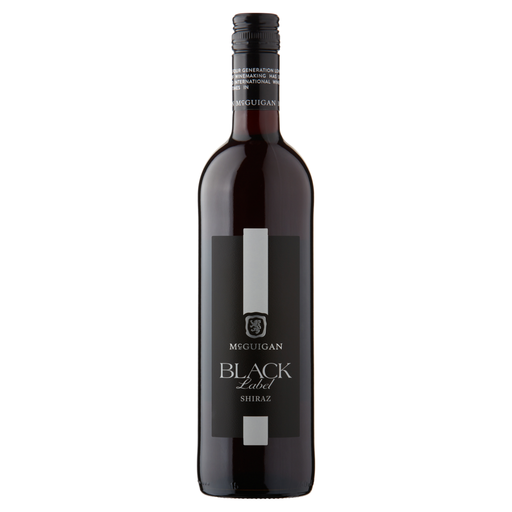
Why This Fits Their Persona: Its 12.5% ABV and familiar plum, blackcurrant and spice profile make it a practical entry point for everyday meals and relaxed UK gatherings.
The listed grape variety, origin and alcohol content are clear, avoiding vague claims based only on front-label language.
12.5% ABV; listed as vegetarian and vegan friendly; suitable with tomato-based dishes and red meat.

Why This Fits Their Persona: The stated Barossa Valley origin, 14.5% ABV and layered dark-fruit, oak and spice profile suit shoppers planning a special dinner or a considered gift.
The regional description and serving guidance give more useful information than an unspecified “premium” label.
Barossa Valley origin; full-bodied style with dark fruit, vanilla and spice notes; suitable for robust food.
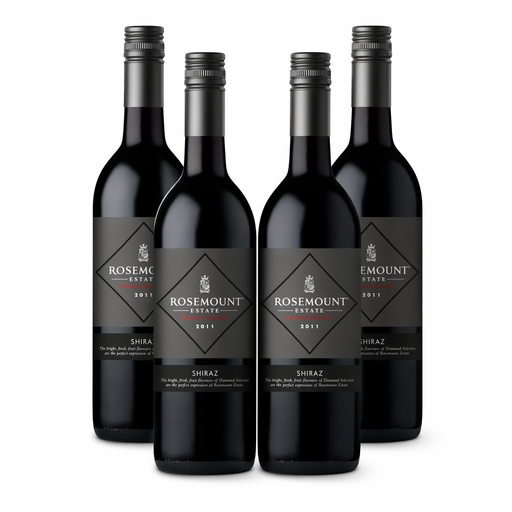
Why This Fits Their Persona: A case format is convenient for hosts, regular dinner drinkers and shoppers who want bottles available for barbecues, pasta nights or unexpected guests.
The case option should be selected only when you already know you enjoy a medium-bodied style and can store the bottles correctly.
14% ABV; smooth medium-bodied profile; listed as vegetarian and vegan suitable; useful with beef, lamb and pasta.
We have compiled a complete, real-time list of products that fully satisfy these strict selection criteria and UK safety regulations.
Serve most Shiraz red wine slightly below typical room temperature, around 16–18°C. Chilling a bottle briefly can make a high-ABV or full-bodied style feel fresher. Store unopened wine in a cool, dark place away from heat and sunlight. After opening, re-cork and refrigerate, then follow the product guidance—many bottles are intended to be consumed within two to five days.
For a case purchase, check that you have stable storage space before ordering. Avoid buying a large quantity solely because the per-bottle price appears lower.
Yes. Shiraz and Syrah refer to the same grape variety, although naming conventions often differ by country and wine style. Australian labels generally use “Shiraz”.
Choose richer styles with grilled steak, lamb, barbecued meats, slow-cooked stews and mature cheese. Softer bottles can work with tomato-based pasta, burgers, pizza and sharing plates.
It is usually more enjoyable slightly cool rather than warm. Aim for around 16–18°C, and chill a fuller or higher-alcohol bottle briefly if your room is warmer.