
24/7 Customer Support

Free returns

Same-day & Next-day Delivery

Quality Guaranteed

Unlock Your Welcome Offers: FREE Delivery | Up to 80% OFF | Free 30-day JoyPlus trial
Download the APP
Buying Australian wine 75cl online should be straightforward: choose a grape variety, compare the flavour profile and order a standard 750ml bottle. In practice, attractive labels and broad marketing descriptions can make it difficult to know whether a bottle suits your meal, drinking preferences or budget.
This guide explains the practical details worth checking before ordering, from alcohol content and dietary information to regional style and storage. It also highlights a selection of Australian red wine 75cl, white wine 75cl and alcohol-free options available for UK delivery.
Australian Chardonnay can range from fresh and lightly textured to rich, creamy and oak-influenced. Australian Shiraz may be soft and fruit-led or more powerful, spicy and tannic. The grape name is a useful starting point, but it does not describe the entire bottle.
Check the tasting notes, alcohol percentage and region together. A South Eastern Australia wine may be designed for approachable everyday drinking, while a Barossa Valley Shiraz is often associated with a fuller-bodied style.
A 75cl bottle contains 750ml, usually around six 125ml glasses. Bottle size does not indicate how strong the wine is. For example, the available products range from 10.5% ABV for Oxford Landing Sauvignon Blanc to 14.5% ABV for Corryton Burge Barossa Shiraz.
UK alcohol units can be estimated using:
Bottle volume in millilitres × ABV ÷ 1,000 = UK units
A 750ml bottle at 13% ABV contains approximately 9.75 units. Always check the current label because ABV and nutritional information can vary between batches or vintages.
A wine labelled vegetarian is not automatically vegan. Fining agents used during production can differ, so customers seeking vegan Australian wine should look for a specific vegan statement on the product page or packaging.
Several listed wines provide dietary information, including McGuigan Black Label Merlot, McGuigan Black Label Shiraz, Oxford Landing Sauvignon Blanc and Petes Pure Shiraz. Corryton Burge Barossa Shiraz is listed as suitable for vegetarians, but its description advises checking with the manufacturer regarding vegan suitability.
Use the variety to narrow down your choice:
For a lighter meal, a lower-ABV white such as Oxford Landing Sauvignon Blanc at 10.5% vol may be more suitable than a 14% Shiraz. For a dinner party, compare the number of bottles with the expected serving size rather than relying on promotional phrases such as “smooth” or “rich”.
Alcohol-free Sauvignon Blanc is another option for customers avoiding alcohol. McGuigan Zero Sauvignon Blanc is listed at 0.0% ABV, with citrus, lime, grapefruit and passionfruit notes. It still contains sulphites and should be stored and consumed according to the label.
All alcoholic products are age-restricted to adults aged 18 and over in the UK. Drink responsibly, never drink and drive, and avoid alcohol during pregnancy.
Most of the listed wines contain sulphites, which must be considered by people with a sulphite sensitivity. Some labels may also list other fining-related allergens, such as eggs or milk, so review the individual packaging before purchase.
Store unopened wine in a cool, dry and dark place away from direct sunlight. Once opened, reseal white wine and refrigerate it. Many product descriptions recommend consuming opened wine within two to five days, depending on the bottle. Follow the label where it differs.
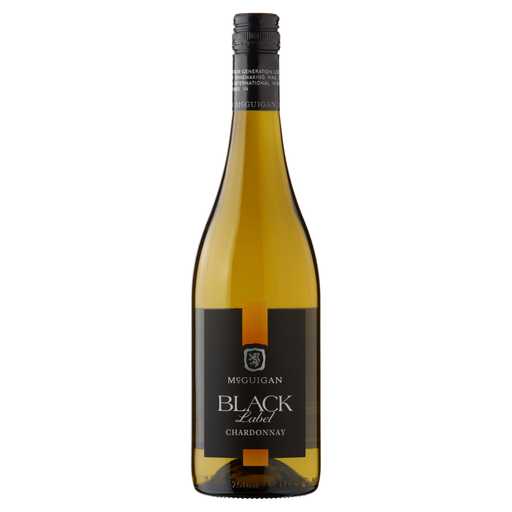
Why This Fits Their Persona: A familiar-style Australian Chardonnay for everyday meals, casual hosting and shoppers who want an approachable white wine 75cl bottle.
Its product information clearly states the 75cl size, 11.0% ABV, sulphite allergen and South Eastern Australia origin.
Peach, melon, vanilla and subtle oak notes; listed at 70 kcal per 100ml.

Why This Fits Their Persona: A fuller-bodied Barossa Valley Shiraz for formal dinners, gifting or occasions where regional identity and a richer red style matter.
The listing identifies Barossa Valley origin, 14.5% ABV, approximately 10.9 UK units and its vegetarian status.
Dark berry, plum, vanilla, spice and oak notes; designed to accompany steak, lamb and mature hard cheese.

Why This Fits Their Persona: A 14.0% ABV red for shoppers planning barbecues, slow-cooked dishes, dinner parties or robust food pairings.
The listing provides ABV, estimated UK units, storage guidance and sulphite allergen information rather than relying only on front-label wording.
Dark berry, cherry, spice, toasted oak and dark chocolate notes; suited to red meat, stews and hard cheese.
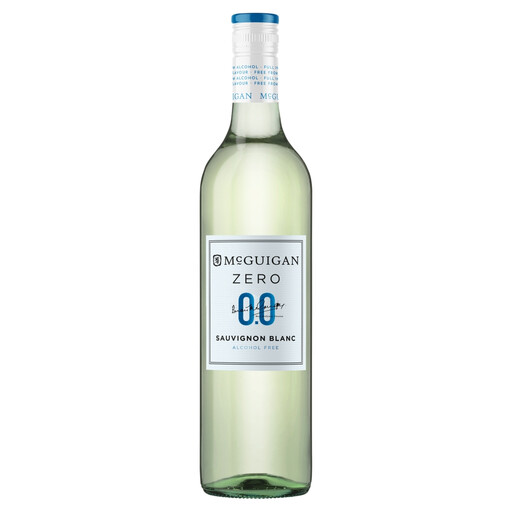
Why This Fits Their Persona: A practical alcohol-free Sauvignon Blanc for weekday meals, designated drivers and social occasions where you want a wine-style drink without alcohol.
The product information states 0.0% ABV, 750ml net content, 19 kcal per 100ml and sulphite allergen details.
Citrus, lime, grapefruit and passionfruit notes; suitable for serving chilled with seafood, salads or Asian-style dishes.
We have compiled a complete, real-time list of products that fully satisfy these strict selection criteria and UK safety regulations.
Yes. A 75cl bottle contains 750ml, which is the standard full-size wine bottle commonly sold in the UK. A typical 125ml pour gives approximately six glasses per bottle, although serving sizes vary.
Delivery charges depend on the retailer, basket value, delivery address, service level and any current offer. Check the final checkout total rather than comparing bottle prices alone. Age verification may be required when the order arrives, and some delivery services cover selected UK locations only.
Most opened wines are best consumed within a few days. Reseal the bottle and refrigerate white wine, while red wine should be kept according to the product instructions. Check the label for specific guidance, as freshness and quality can decline after opening.