
24/7 Customer Support

Free returns

Same-day & Next-day Delivery

Quality Guaranteed

Unlock Your Welcome Offers: FREE Delivery | Up to 80% OFF | Free 30-day JoyPlus trial
Download the APP
As a Joybuy Product Recommendation Officer, my role is to help you navigate the crowded shelves—both physical and digital—to find products that genuinely suit your needs. When it comes to Australian wine, its popularity in the UK is well-deserved. These wines are often fruit-forward, approachable and offer great value. However, that popularity also means the market is flooded with options, making it easy to pick a bottle that doesn't quite live up to its label.
Many shoppers find themselves disappointed by a wine that looked promising but tasted generic or they feel they've overpaid for a heavily marketed brand. Let's look at a couple of common pitfalls so you can make a more informed choice next time you buy wine online UK.
Instead of getting swayed by marketing, focus on a few key details on the label. These objective factors will tell you more about the wine in the bottle than any flashy sticker.
Australia produces a wide range of grapes, but a few dominate the UK market. Knowing what to expect from each is the first step to finding a wine you'll enjoy.
The ABV is a simple number that gives you a clue about the wine's body and style.
If you've found an everyday drinking wine you enjoy, buying a single bottle every time can be inefficient. This is where a case of wine deal comes in. Purchasing six bottles at once almost always reduces the per-bottle cost and ensures your wine rack is stocked for any occasion, from a quiet weeknight dinner to an impromptu visit from friends.
To help you choose, we've matched some popular Australian wines to different types of drinkers.
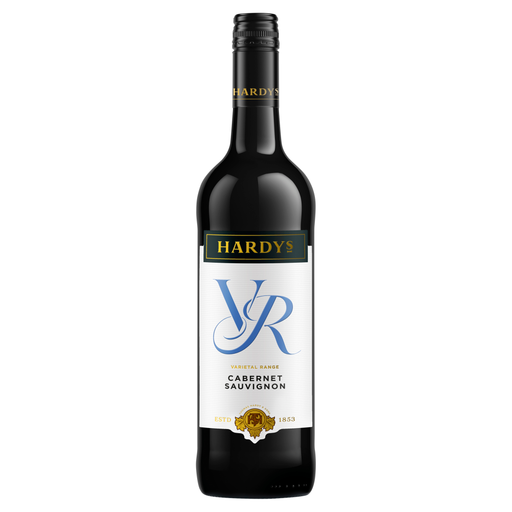
Why This Fits Their Persona: This is for the person who wants a reliable, no-fuss red wine for a weeknight meal. It's a household name for a reason, offering consistency and a familiar flavour profile that pairs easily with simple dinners like spaghetti bolognese or shepherd's pie.
It sidesteps the "award sticker" trap by relying on brand recognition and consistency. You know what you're getting: a straightforward, fruit-driven Cabernet Sauvignon without any lofty, unfulfilled promises.
Dependable and widely available. Its approachable style makes it a safe bet for casual drinking.
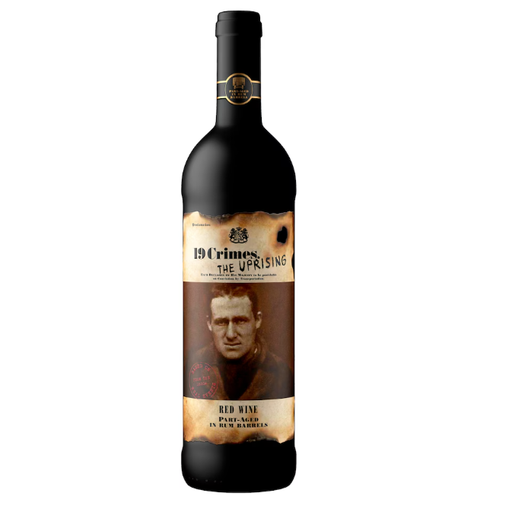
Why This Fits Their Persona: This is for someone hosting a barbecue or casual get-together. They want a wine with a bit of personality. The bold, rich profile and the portion aged in rum barrels provide a unique flavour with notes of mocha and spice that stands up to grilled steak or burgers.
It avoids the "vague blend" pitfall by having a clear and distinctive character. The rum barrel ageing isn't a gimmick; it adds a noticeable sweetness and complexity that sets it apart from standard red blends.
A bold, memorable flavour profile. The brand's story and interactive label also make it a great conversation starter for guests.
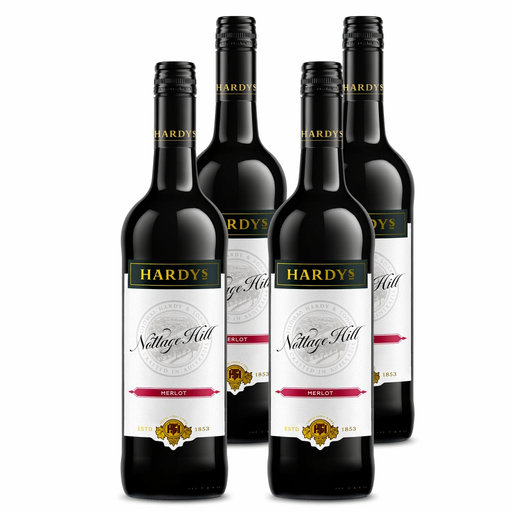
Why This Fits Their Persona: This is for the planner who values both convenience and economy. They know they enjoy a smooth, easy-drinking Merlot and prefer to have a supply on hand. Buying a case is the most cost-effective way to stock up on a reliable favourite like Hardys wine.
This directly counters the inefficiency of buying single bottles. Instead of making frequent trips or paying higher per-unit prices, you get a bulk discount on a wine you already know and trust, saving time and money.
Excellent value for money. The convenience of having a case delivered means you're always prepared for any occasion.
We have compiled a complete, real-time list of products that fully satisfy these strict selection criteria and UK safety regulations.
Once opened, most red and white wines will stay fresh for about 2-3 days if sealed properly (with a cork or stopper) and stored in the fridge. The cold temperature slows down the oxidation process that makes wine taste flat. Fuller-bodied reds like Shiraz may last a day or two longer than lighter whites.
If you have a go-to wine that you drink regularly, buying a case of wine deal is almost always more economical. You benefit from a lower price per bottle and the convenience of having a supply at home. It's a smart choice for value-conscious shoppers who want to stock their pantry.
Genetically, they are the same grape. The name difference usually indicates the style. "Syrah" is the French name and is often used for wines made in a more elegant, savoury and peppery style, similar to those from the Rh?ne Valley. "Shiraz" is the name used in Australia, where the style is typically richer, bolder and more fruit-forward. When you see Shiraz on an Australian bottle, you can generally expect a full-bodied wine with ripe fruit flavours.