
24/7 Customer Support

Free returns

Same-day & Next-day Delivery

Quality Guaranteed

Unlock Your Welcome Offers: FREE Delivery | Up to 80% OFF | Free 30-day JoyPlus trial
Download the APP
Navigating the world of Asian noodles online can feel overwhelming. With countless options available, it's easy to end up with a product that promises an authentic experience but delivers a bland, westernised flavour. Many UK shoppers find themselves disappointed by "Asian-style" instant noodles that lack the complex, regional tastes they were hoping for, or by kits that turn out to be incomplete.
As the Joybuy Product Recommendation Officer, my role is to help you sidestep these common purchasing pitfalls. This guide will break down the essential factors to consider, ensuring you can confidently buy noodles online in the UK that deliver genuine flavour and value, whether you're seeking a quick meal or a new culinary adventure.
Before you add anything to your basket, be aware of these frequent issues that can lead to a disappointing purchase:
authentic noodle kit will almost always contain multiple, separate packets.ramen or the smooth bite of rice noodles.To avoid disappointment, focus on these three core elements when making your selection.
The noodle itself is the foundation of your meal. The main types you'll encounter are:
Chinese noodles and Japanese ramen. They can be thin and straight, or thick and wavy. Look for descriptions like "hand-pulled style" or "non-fried" for a chewier, more substantial texture that holds up well in broth.The preparation method is also a key indicator. While some are simple "just add hot water" pots, many authentic noodle kits require a short boiling time (3-8 minutes) for the noodles, which results in a far superior texture compared to those that are simply steeped.
This is where the authenticity truly lies. A high-quality kit moves beyond a single powder sachet. Look for products that include multiple, individually packed components. For example, a kit for luosifen snail noodles should contain separate packets for the snail broth, sour bamboo shoots, pickled beans, peanuts, chilli oil and vinegar. Likewise, a good bowl of Korean spicy noodles will have a thick, rich sauce paste rather than just a dry powder. The more components, the more layered and genuine the final flavour will be.
The variety of Asian noodles is immense, catering to every palate. If you're looking for a plant-based meal, search specifically for vegetarian noodles that use a mushroom or vegetable-based broth. For those who enjoy a fiery kick, many brands offer different levels of spice. If you're an adventurous eater, don't shy away from the pungent and complex flavours of dishes like luosifen, which offer a unique sour, spicy and savoury experience unlike anything else.
To help you find a product that matches your needs, here are a few recommendations selected for their quality and authenticity, each suited to a different type of noodle enthusiast.

Why This Fits Their Persona: For the UK foodie eager to explore beyond standard takeaway fare, this kit offers the famously pungent, spicy and sour experience of authentic Liuzhou luosifen. It’s a bold flavour journey in a bowl.
It completely sidesteps the "authentic flavour" illusion. With 8 independent ingredient packets—including river snail broth, sour bamboo shoots, chilli oil and peanuts—it delivers a complex, layered taste that cannot be replicated by a single sachet.
Provides a complete, restaurant-style experience of a specific regional Chinese dish. The rice noodles require boiling, ensuring a proper, satisfying texture.
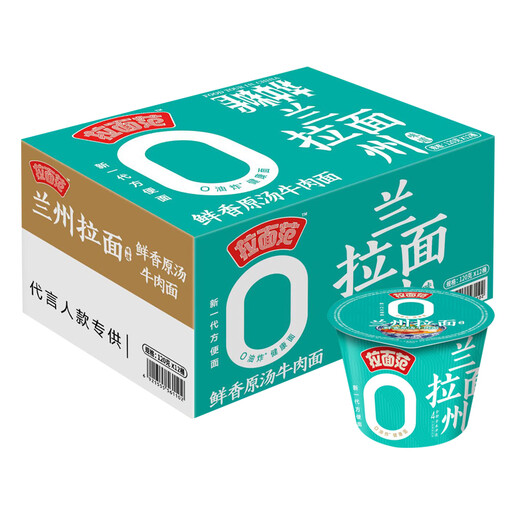
Why This Fits Their Persona: Perfect for a quick and satisfying lunch at the office or a low-effort dinner. It offers the rich, aromatic flavour of Lanzhou beef soup in a convenient format that's ready in just 3 minutes.
This is far more than a standard pot noodle. It avoids the "incomplete kit" trap by including separate packets for crisp radish slices, chilli oil and vegetables, adding texture and depth to the rich beef-flavoured broth.
Maximum convenience without sacrificing flavour. The non-fried noodles provide a chewy, elastic texture superior to typical instant noodles.
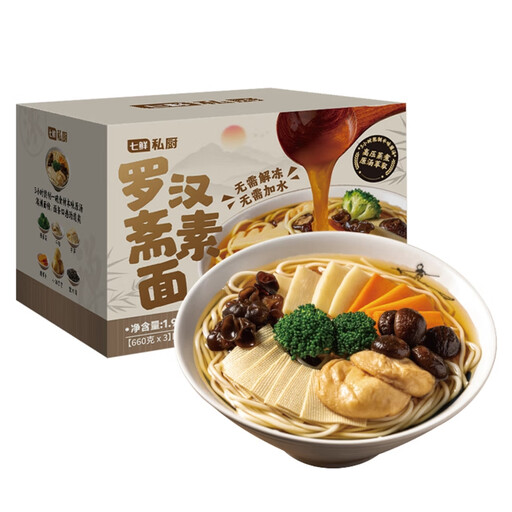
Why This Fits Their Persona: This frozen meal kit provides a complete, flavourful and satisfying vegan meal. It's ideal for those who want an authentic, plant-based noodle dish without the effort of building a broth and preparing toppings from scratch.
It is a genuinely complete meal, not just plain noodles. The kit includes a rich mushroom soup base, Australian wheat flour noodles, and a generous mix of mushrooms, winter bamboo shoots, carrots and broccoli, avoiding the incomplete kit pitfall entirely.
A truly convenient "ready-to-heat" vegan meal. The rapid-freezing technology helps lock in the original flavour and texture of the ingredients.
We have compiled a complete, real-time list of products that fully satisfy these strict selection criteria and UK safety regulations.
The easiest way to elevate any instant noodles is by adding fresh ingredients. A soft-boiled egg, some chopped spring onions, a handful of wilted spinach or some leftover roasted chicken can transform a simple snack into a more substantial meal. A dash of sesame oil or a spoonful of chilli crisp right at the end also adds a great deal of flavour.
Yes, the broth is traditionally made by boiling river snails with pork bones and a variety of spices for many hours. However, the final product does not contain any snail meat. The snails are used purely to create the unique, savoury and umami-rich soup base that gives the dish its name.
While both are typically wheat-based, the key difference lies in a specific ingredient. Authentic ramen noodles are made with an alkaline solution called kansui, which gives them their characteristic yellow colour, firm texture and springy chewiness. Many Chinese noodles do not use kansui and can have a wider variety of textures, from the soft, broad noodles in Biang Biang dishes to the fine, delicate noodles used in wonton soup.