
24/7 Customer Support

Free returns

Same-day & Next-day Delivery

Quality Guaranteed

Unlock Your Welcome Offers: FREE Delivery | Up to 80% OFF | Free 30-day JoyPlus trial
Download the APP
Finding authentic Chinese food online in the UK is easier than visiting several specialist shops, but product listings can make comparison difficult. A glossy photograph, vague regional wording or a large multipack does not necessarily mean the food will suit your cooking habits.
Whether you are stocking up on Chinese noodles, looking for frozen Chinese food after a long day, or comparing sauces, dumplings and steamed buns, three common pitfalls deserve attention.
Terms such as Sichuan, Cantonese, Jiangnan, Shanghai and Henan describe culinary styles, but recipes vary between manufacturers. A Sichuan-style product may be spicy and numbing, while a Cantonese-style item may lean towards savoury-sweet flavours.
Look beyond the name. Check the ingredient list, preparation method and flavouring ingredients. Sichuan pepper, chilli, preserved mustard greens, soy sauce or rice wine can give you a clearer idea of the intended profile.
Frozen Chinese food is not interchangeable with ambient Chinese ready meals. Dumplings, buns, prepared fish and braised dishes may require freezer storage at -18°C or below, while dried noodles and sauces usually need a cool, dry cupboard.
Check whether the product must be cooked from frozen, thawed first or steamed until piping hot. If frozen food has thawed during delivery, follow the packaging guidance and do not refreeze where the instructions prohibit it.
A 1.815kg bag of dried noodles may be useful for a family, but excessive for a student with limited cupboard space. Conversely, small seasoning sachets may appear inexpensive but provide only one or two meals.
Compare net weight, servings, storage life and versatility. Ingredients that work in soups, stir-fries and cold dishes can offer more practical value than a product intended for one recipe.
UK food labels should clearly identify relevant allergens. Common ones in Chinese and Asian groceries UK shoppers encounter include wheat, gluten, soybeans, sesame, peanuts, fish and celery.
For example, wheat-based noodles are unsuitable for people avoiding gluten, while dumpling wrappers and soy-seasoned fillings may contain both wheat and soy. Always read the current product packaging, especially if you have an allergy or are buying for someone else.
The noodle type should match the dish. Flat rice noodles are suitable for dishes such as stir-fried beef chow fun, soups and cold noodle salads after rehydration. Fine wheat noodles work well in broth or tossed noodle dishes, while potato starch noodles become translucent and springy after boiling.
For Chinese dumplings, check whether boiling, steaming or pan-frying is recommended. Steamed buns generally need space in the basket because they expand as they heat. Preparation instructions are more useful than descriptions such as “traditional” or “restaurant-style”.
Seasoning mixes, sauces and prepared meals can contain substantial salt, sugar or fat. One Jiangnan-style sweet-and-sour seasoning lists 4.5g salt per 100g, while a Henan-style instant noodle product lists 5.9g salt per 100g. These figures do not mean the products cannot form part of a varied diet, but they are useful when planning portions.
Also check whether the nutrition panel applies to the dry product, sauce sachet or prepared serving. This distinction is particularly important for Chinese ready meals and frozen prepared dishes.
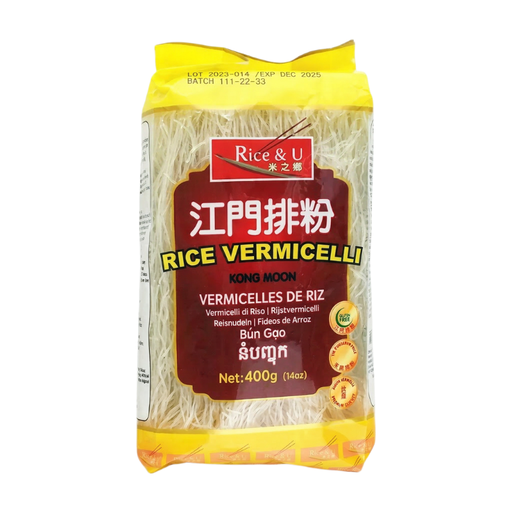
Why This Fits Their Persona: A cupboard-friendly staple for students, first-time cooks and smaller UK households exploring Chinese cooking without buying numerous specialist ingredients.
The listing identifies rice and water as ingredients and gives clear dry storage guidance, avoiding an unclear ingredient profile or unexpected freezer requirement.
Flat dried rice noodles; suitable for stir-fries, soups and cold noodle salads; 400g pack with no listed allergens.
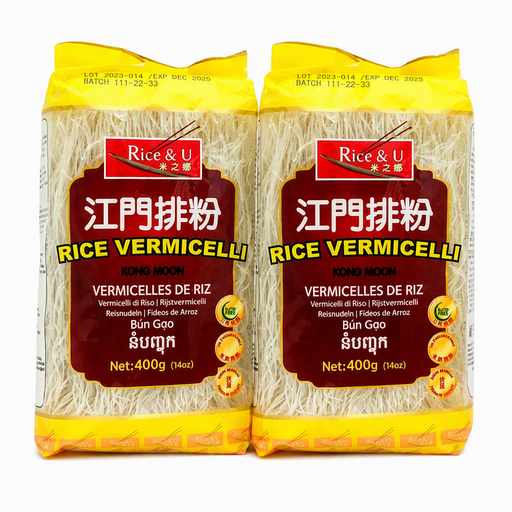
Why This Fits Their Persona: A practical multipack for regular home cooks who prepare noodle dishes frequently and want a consistent cupboard ingredient.
The twin pack makes the total quantity explicit, while the product information explains its intended uses rather than relying only on regional positioning.
800g total quantity; rice-and-water ingredient list; suitable for chow fun-style stir-fries, soups and salads.
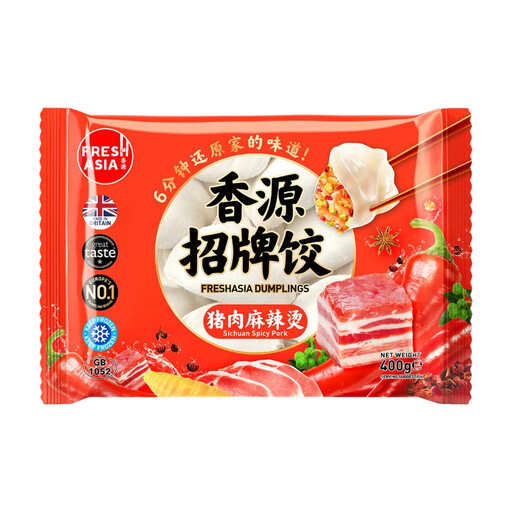
Why This Fits Their Persona: Suitable for busy professionals and Sichuan food fans who want a freezer option that can be boiled, steamed or pan-fried.
The listing provides cooking times for three methods, freezer storage instructions and allergen information, helping shoppers plan beyond the product image.
Contains pork, chilli and Sichuan pepper; suitable for boiling, steaming or pan-frying; 400g frozen pack.
For a flexible order, combine one staple with one flavour enhancer and one quick meal:
Always confirm delivery timing for frozen items and inspect packaging on arrival. Damaged, swollen or inadequately chilled packaging should not be treated as normal.
We have compiled a complete, real-time list of products that fully satisfy these strict selection criteria and UK safety regulations.
Use a retailer with clear product pages, ingredient lists, allergen details, country-of-origin information and storage instructions. This makes it easier to compare Asian groceries UK shoppers may otherwise need to source from several shops.
Generally, yes, but cooking methods vary. Dumplings may be boiled, steamed or pan-fried, while buns are commonly steamed from frozen. Follow the package instructions and ensure the centre is thoroughly hot before eating.
Keep dried noodles and unopened sauces sealed in a cool, dry place away from moisture and sunlight. Refrigerate sauces after opening when instructed. Frozen noodles or prepared foods should remain at the stated freezer temperature and should not be refrozen if the packaging advises against it.