
24/7 Customer Support

Free returns

Same-day & Next-day Delivery

Quality Guaranteed

Unlock Your Welcome Offers: FREE Delivery | Up to 80% OFF | Free 30-day JoyPlus trial
Download the APP
Embarking on a journey to recreate authentic Chinese dishes at home is a rewarding culinary adventure. Yet, a trip to the international aisle or a browse online can quickly become overwhelming. With countless jars, bottles and packets all vying for your attention, it is easy to make a misstep that can leave your home-cooked Mapo Tofu or Peking-style noodles tasting not quite right.
As the Joybuy Product Recommendation Officer, my role is to help you navigate this complex landscape. We will look past the marketing noise to focus on what truly matters for authentic flavour, helping you stock your pantry with confidence and avoid common purchasing pitfalls that many UK home cooks encounter.
Before you add anything to your basket, be aware of these frequent mistakes:
To ensure you are buying the right ingredients, focus on these key parameters. They are the foundation of genuine Asian cooking ingredients.
The deep, savoury and complex "umami" flavour central to many Chinese dishes comes from fermentation. When selecting pastes, the ingredients list is your most valuable tool.
The final drizzle of oil or the base of a dipping sauce can make or break a dish. Knowing the difference between product types is crucial.
To help you choose, we have matched some standout authentic Chinese condiments to different types of home cooks.
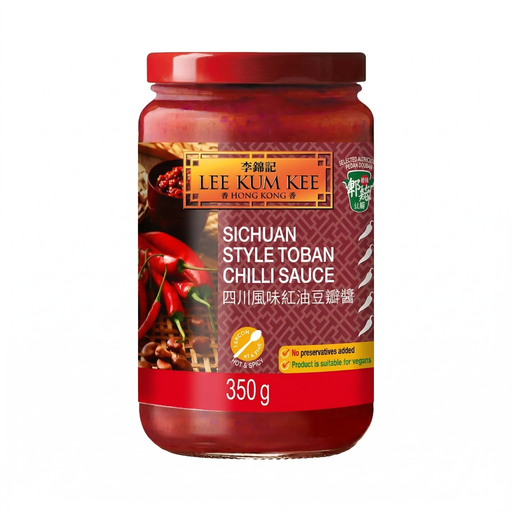
Why This Fits Their Persona: This is for the home cook who is serious about recreating genuine Sichuan flavours. It is the foundational ingredient for classics like Mapo Tofu and Sichuan Boiled Fish, where authenticity is paramount.
This is a specific, high-quality doubanjiang, not a generic chilli or stir-fry sauce. It explicitly contains Pixian Doubanjiang, a protected geographical indication that signifies authentic sourcing and production methods.
Delivers a complex, savoury heat and rich red colour from fermented broad beans and Erjingtiao chillies. The oil-paste separation allows for blooming the spices to release maximum aroma.
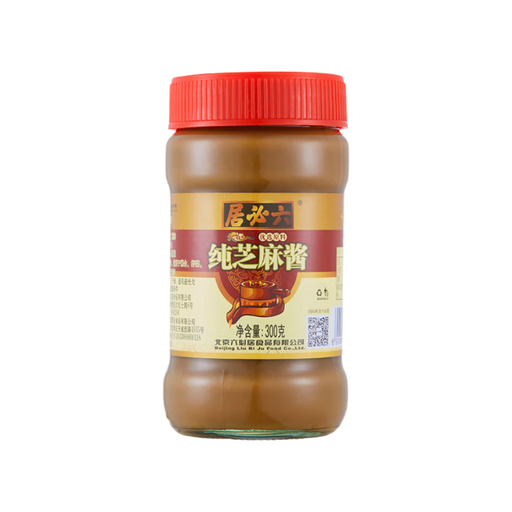
Why This Fits Their Persona: Ideal for someone who frequently makes dishes where sesame paste is the star, such as hot pot dipping sauces or dan dan noodles. They require a pure, rich paste that serves as a flavour foundation.
This is a traditional Chinese sesame paste (zhi ma jiang), not tahini. It is made from toasted seeds and stone-ground, avoiding the common pitfall of using a milder, runnier paste that won't deliver the right flavour or consistency.
Made by a renowned, time-honoured brand (Liubiju), this paste contains 100% sesame with no additives. Its traditional production method yields an exceptionally smooth, rich and aromatic product.
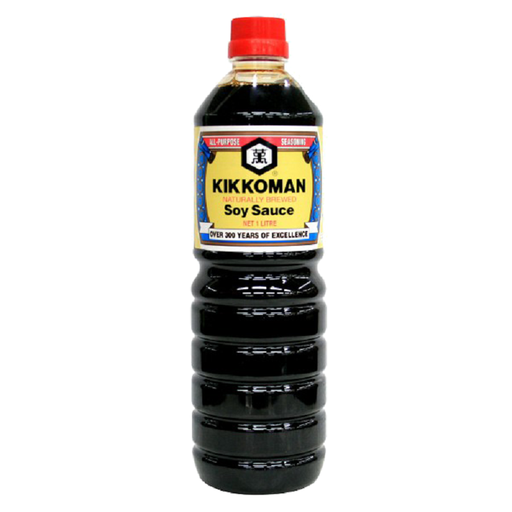
Why This Fits Their Persona: This cook needs a reliable, versatile soy sauce for daily use in everything from simple stir-fries, marinades and dipping sauces. Quality and consistency are more important than niche, regional specialities.
This is a high-quality, naturally brewed soy sauce, not a chemically produced or overly simplistic one. It provides a solid, flavourful base that works well with other ingredients, avoiding the flat taste of many generic sauces.
The natural brewing process creates a more complex and balanced umami flavour. The large 1L bottle offers excellent value for a frequently used pantry staple.
While we have covered a range of staples, getting the right sesame-based sauces is crucial for many dishes. We have compiled a complete, real-time list of products that satisfy these strict selection criteria.
1. What is the real difference between Chinese sesame paste and tahini? The main difference lies in the preparation of the sesame seeds. Chinese sesame paste is made from seeds that have been deeply toasted, giving it a darker colour, a thicker consistency and a rich, nutty, smoky flavour. Tahini is typically made from raw or lightly toasted hulled seeds, resulting in a paler, milder and runnier paste. For authentic Chinese dishes like hot pot dips or sesame noodles, Chinese sesame paste is the correct choice.
2. How should I store my Chinese bean pastes after opening? Once opened, most fermented bean pastes like doubanjiang or sweet bean paste should be stored in the refrigerator. To prolong their freshness, ensure the lid is tightly sealed or transfer the paste to an airtight container. Always check the product's packaging for specific storage instructions, but as a general rule, they are best used within a few months to retain their optimal flavour and aroma.
3. Is there a difference between pure sesame oil and toasted sesame oil? In the context of Chinese and other East Asian cuisines, the terms are often used interchangeably. The product labelled "pure sesame oil" is almost always made from toasted sesame seeds, which is what gives it its characteristic dark colour and strong, nutty aroma. The most important distinction to make when purchasing is between 100% pure sesame oil and a sesame oil blend. The former is a potent finishing oil, while the latter is a milder cooking oil.