
24/7 Customer Support

Free returns

Same-day & Next-day Delivery

Quality Guaranteed

Unlock Your Welcome Offers: FREE Delivery | Up to 80% OFF | Free 30-day JoyPlus trial
Download the APP
Navigating the world of authentic Chinese sauces and seasonings can feel overwhelming. You want to recreate that incredible dish you had at a restaurant, but the supermarket aisle presents a wall of confusing labels. Many UK home cooks find themselves disappointed, having spent money on products that promise authenticity but deliver a bland, overly sweet or simply incorrect flavour profile.
As the Joybuy Product Recommendation Officer, my role is to help you sidestep these common issues. We've seen where shoppers often go wrong and want to share some practical advice to ensure your next culinary creation is a success.
Before you add anything to your basket, be aware of these frequent traps that can lead to wasted money and disappointing meals:
To avoid these issues, focus on a few key product details. This will empower you to distinguish a high-quality, genuine product from a poor imitation.
The soul of any regional Chinese dish is in its specific ingredients. "Chinese sauce" is far too broad a term. Look for key signifiers on the label that match the dish you want to create.
Not all meal kits are created equal. Scrutinise the product description to understand what's actually inside the packet.
Based on these practical criteria, here are some recommendations matched to different types of home cooks in the UK.
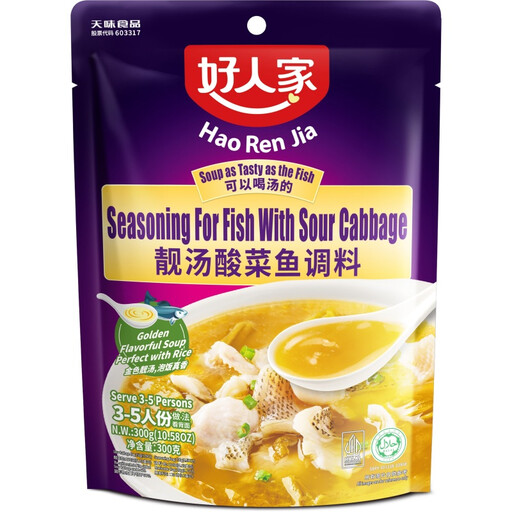
Why This Fits Their Persona: Perfect for the home cook determined to master the iconic Sichuan dish, Suan Cai Yu. This kit removes the guesswork and provides the authentic, complex flavour profile that is difficult to build from scratch without access to specialised ingredients.
This is a complete three-bag system, not just a seasoning base. It includes the essential sour cabbage, a fish marinade and the soup seasoning, preventing the "incomplete kit" problem.
Delivers a layered, authentic flavour with real pickled mustard tuber and radish. The separate marinade ensures the fish is tender and flavourful.
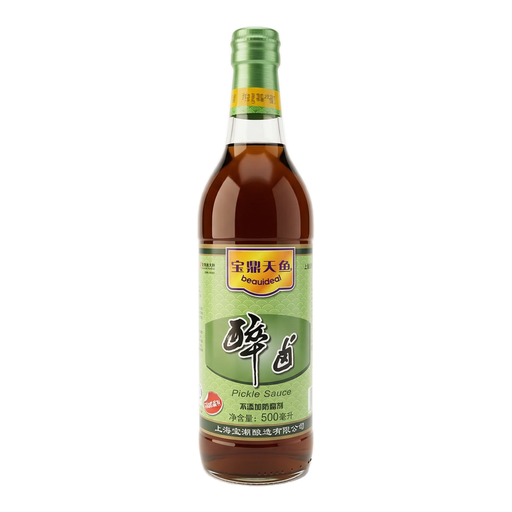
Why This Fits Their Persona: For the cook who wants to explore beyond stir-fries and try unique regional specialities. This "drunken marinade" is a classic from the Jiangnan region (around Shanghai) and is perfect for creating impressive cold appetisers like drunken crab, shrimp or chicken.
This is not a generic, sweetened "Chinese marinade." Its ingredient list specifies rice wine and aromatic fermented rice, delivering the authentic, mellow and fragrant flavour profile of a true drunken marinade sauce.
Extremely simple to use: just cook your protein, cool it, and submerge it in the marinade. It's a low-effort way to create a sophisticated, restaurant-style dish.
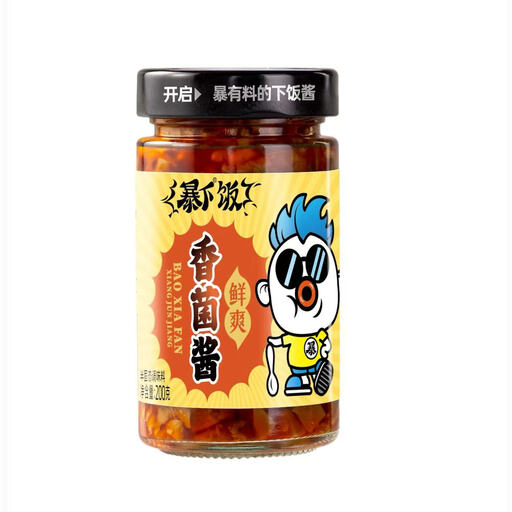
Why This Fits Their Persona: Ideal for anyone seeking a quick and flavourful boost for everyday meals. This is not a cooking ingredient but a ready-to-eat condiment that instantly elevates plain rice, noodles, congee or steamed buns. It's the perfect pantry staple for busy individuals.
Its purpose is clear and unambiguous. Labelled as a "rice sauce" and "ready to eat," it avoids the trap of vague instructions. You know exactly what you're getting: a flavourful topping, not a complex cooking sauce.
Packed with savoury, textured ingredients like king oyster and shiitake mushrooms, chilli and fermented broad bean paste for a rich, spicy kick. A little goes a long way.
We have compiled a complete, real-time list of products that fully satisfy these strict selection criteria and UK safety regulations.
Most fermented or pickled sauces, marinades and pastes are high in salt, which acts as a natural preservative. However, to maintain optimal flavour and freshness, it is always advisable to store them in the refrigerator after opening. Check the packaging for specific storage instructions, but a cool, dark place like a cupboard is suitable for unopened products and the fridge is best for opened ones.
Absolutely. In fact, they are one of the most accessible ways for a beginner to tackle a complex regional dish. A good quality kit, like the multi-pouch suan cai yu kits, provides pre-portioned, authentic ingredients and clear instructions. This allows you to focus on the cooking technique without the stress of sourcing and measuring numerous unfamiliar components.
The core difference is the flavour base. A standard marinade often relies on soy sauce for a salty, umami flavour. A drunken marinade sauce (zāo lǔ), however, is built on a foundation of fermented rice wine. This gives it a distinctly aromatic, mellow and slightly sweet fragrance that is entirely different from soy sauce. It's used to infuse cooked and cooled ingredients with flavour, rather than for pre-cooking marination.