
24/7 Customer Support

Free returns

Same-day & Next-day Delivery

Quality Guaranteed

Unlock Your Welcome Offers: FREE Delivery | Up to 80% OFF | Free 30-day JoyPlus trial
Download the APP
As a Joybuy Product Recommendation Officer, my role is to help you navigate the crowded shelves of world foods. Many UK home cooks are passionate about recreating authentic global dishes, but it's easy to be led astray by clever marketing. This guide will help you identify the key markers of quality and avoid common pitfalls, ensuring the world cooking sauces and seasonings you buy deliver genuine flavour to your kitchen.
Before you stock your pantry, be aware of these frequent issues that can lead to disappointing meals and wasted money.
To ensure you're buying a product that will genuinely elevate your cooking, focus on these two non-negotiable factors.
The most reliable indicator of quality is the ingredients list. Ingredients are listed in descending order by weight. If the first ingredient is sugar in a product meant to be savoury, it's a red flag. More importantly, look for the Quantitative Ingredient Declaration (QUID). This UK regulation requires manufacturers to state the percentage of key ingredients. For example, a Chinese oyster sauce label might state "Oyster Extractives 5%". This figure allows you to make an objective comparison between products, moving beyond marketing claims to see exactly what you are paying for.
The format of the product dictates its use and flavour intensity. Confusing them can ruin a dish.
By understanding these distinctions, you can select the right product for your intended recipe and achieve a much more authentic result.
Here are a few recommendations, matched to different cooking styles and needs, that meet our criteria for quality and authenticity.
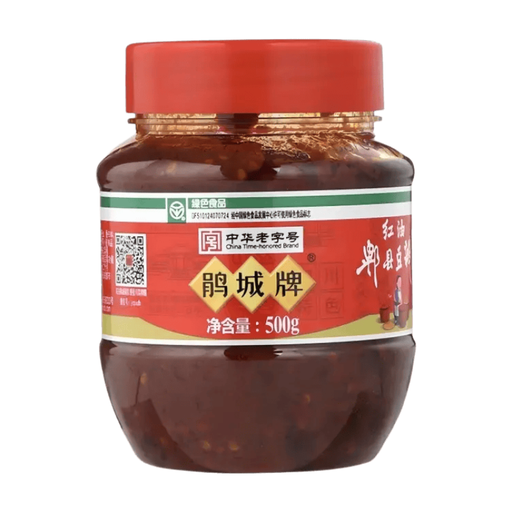
Why This Fits Their Persona: For anyone serious about cooking authentic Sichuan dishes like Mapo Tofu or Twice-Cooked Pork, Pixian Doubanjiang (broad bean paste) is non-negotiable. This product provides the foundational savoury, spicy and fermented depth that defines the cuisine.
It sidesteps the "authentic style" mirage by being a heritage brand from Pixian, the region in China renowned for this specific paste. The primary ingredients are red chillies and broad beans, not fillers.
Delivers a complex, umami-rich flavour and signature red oil when fried. It is the essential "soul" of many classic Sichuan recipes.
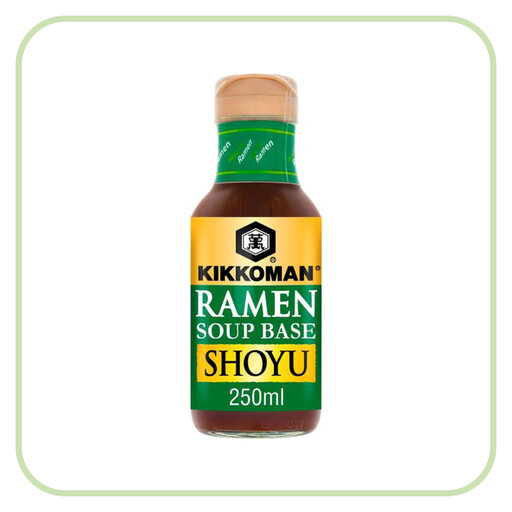
Why This Fits Their Persona: Perfect for UK home cooks who want a delicious, comforting bowl of ramen without spending hours on the broth. This concentrated ramen soup base provides a rich, savoury foundation in minutes.
This is a concentrated product from a reputable Japanese brand, not a watered-down, overly sweet "teriyaki-style" sauce. The clear dilution instructions (30ml base to 270ml water) ensure a balanced, flavourful result.
Extremely convenient for quick meals. It is also vegan-friendly and delivers a deep, umami-rich shoyu flavour that tastes authentic.
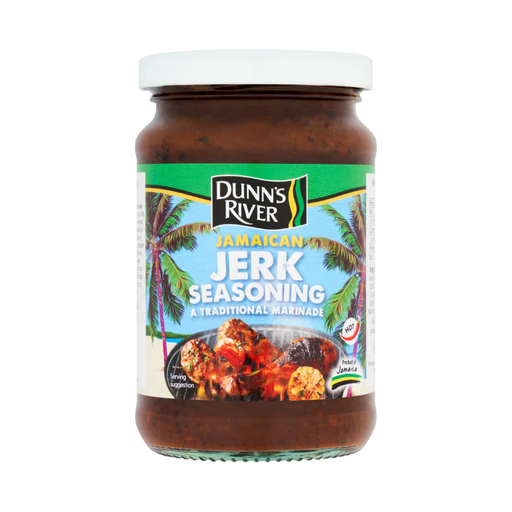
Why This Fits Their Persona: For those who love the fiery, smoky and aromatic flavours of a proper Jamaican barbecue, this seasoning is a pantry essential. It's specifically designed for making jerk chicken, pork or fish on the grill or in the oven.
This avoids the "all-purpose" trap by being a dedicated Jamaican jerk seasoning. The ingredients list includes pimento (allspice) and chilli, the two cornerstone spices required for an authentic jerk flavour profile.
This dry rub is easy to use and builds the characteristic spicy, fragrant crust that makes jerk cooking so distinctive. The 300g size is great value for regular use.
We have compiled a complete, real-time list of products that fully satisfy these strict selection criteria and UK safety regulations.
1. How long do cooking pastes and sauces last after opening? Most world cooking sauces and pastes, especially those that are fermented or contain fresh ingredients, must be refrigerated after opening. Always check the product label for specific storage instructions. As a general rule, aim to use them within one to two months for optimal flavour. To prevent spoilage, always use a clean, dry spoon to take out the amount you need, rather than pouring directly from the jar.
2. What is the difference between a seasoning and a marinade? A seasoning, like a dry rub, is typically applied to the surface of food before cooking to create a flavourful crust. A marinade is a liquid mixture, often containing an acid (like vinegar or citrus), oil and spices. Food is soaked in the marinade to both tenderise it and infuse it with flavour. Some products, like Lee Kum Kee's All Purpose Swiss Marinade, are specifically formulated for this purpose, offering a convenient way to prepare flavourful braised or roasted dishes.
3. Do I really need a specific sauce for each type of Asian cuisine? While some sauces like a good quality soy sauce or Chinese oyster sauce are versatile, using the correct regional condiment is crucial for achieving an authentic taste. The unique flavour of a Korean gochujang stew comes from the fermented chilli paste, just as a Thai chilli paste provides the specific aromatic heat for a Thai curry. Using the right base ingredient is the most important step in recreating the dishes you love.