
24/7 Customer Support

Free returns

Same-day & Next-day Delivery

Quality Guaranteed

Unlock Your Welcome Offers: FREE Delivery | Up to 80% OFF | Free 30-day JoyPlus trial
Download the APP
As a Joybuy Product Recommendation Officer, I see how UK home cooks are becoming more adventurous, seeking to recreate vibrant, authentic dishes from around the world. Yet, the supermarket aisle for world food ingredients can be a confusing place. A colourful label promising an "authentic" experience doesn't always deliver, leading to disappointing meals and wasted money.
The goal is to fill your pantry with versatile, flavourful staples that form the foundation of countless delicious meals. Before you buy, it's worth knowing about a few common pitfalls that can trip up even savvy shoppers.
To ensure you're getting genuine flavour and good value, focus on these core parameters. They are the key to building a reliable collection of pantry staples.
The ingredients are listed by weight. The first three to four items on the list tell you almost everything you need to know. For an authentic Japanese soy sauce, you should see Water, Soybeans, Wheat and Salt at the top. If sugar or corn syrup is near the start, it's a sign that the flavour profile has been altered. Similarly, a high-quality Thai curry paste should lead with herbs and spices like lemongrass, chilli and galangal, not water or fillers.
The most significant difference in quality, especially for products like soy sauce, comes from the production method.
Instead of reaching for a generic "curry sauce," look for sauces designed for specific dishes. This indicates a recipe that is more likely to be authentic. For example, a Lee Kum Kee Char Siu Sauce is specifically for making Cantonese barbecue pork, while their Ma-Po Tofu Sauce contains the Sichuan pepper and fermented black beans essential for that particular dish. This specialisation is a strong indicator of authenticity and will yield much better results than an all-in-one sauce.
Based on these principles, here are a few recommendations tailored to different types of home cooks in the UK.
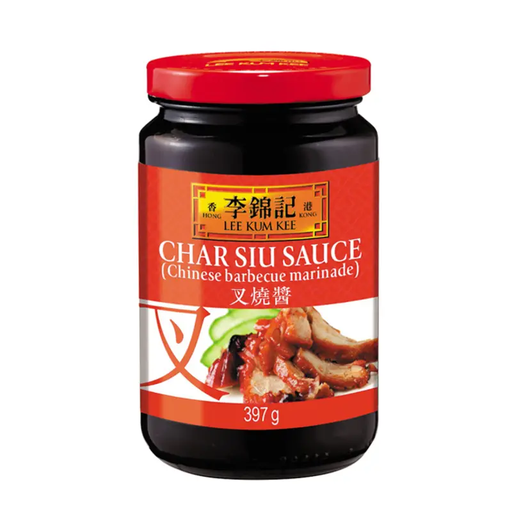
Why This Fits Their Persona: For the home cook who wants to perfectly replicate a specific restaurant favourite, this sauce is the key. It allows you to make authentic Cantonese-style barbecue pork at home, moving beyond generic stir-fries into more advanced, but still achievable, recipes.
This is a dish-specific sauce, not a vague "Asian BBQ" flavour. It avoids the "Authentic Style" trap by providing the correct balance of sweet and savoury from honey and fermented bean paste, crucial for genuine Char Siu.
It serves as both a marinade and a glaze, simplifying the cooking process. The recipe comes from a brand with over a century of heritage in Chinese stir-fry sauce and marinades and glazes.
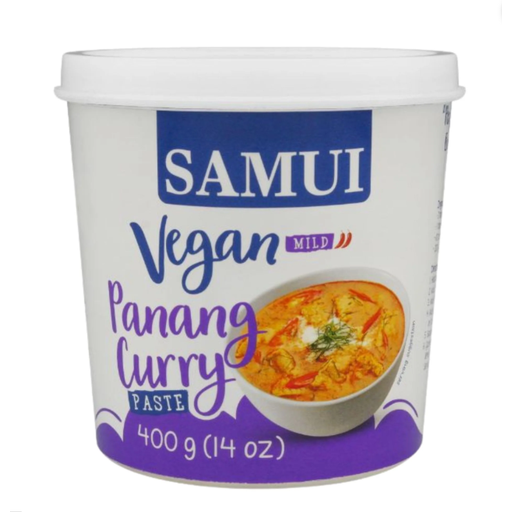
Why This Fits Their Persona: Finding authentic Thai curry paste without shrimp paste can be a challenge. This product is specifically designed for plant-based cooking, delivering the rich, aromatic flavour of Panang curry without compromising on ethics or taste.
It avoids the "Ingredient List Illusion" by being completely transparent. The primary ingredients are lemongrass and red chilli, not water or sugar, and it achieves its flavour without any animal products, a common hidden ingredient.
This is a truly versatile paste for making curries, soups or marinades. It's a great example of high-quality vegan sauces that don't sacrifice authentic flavour.
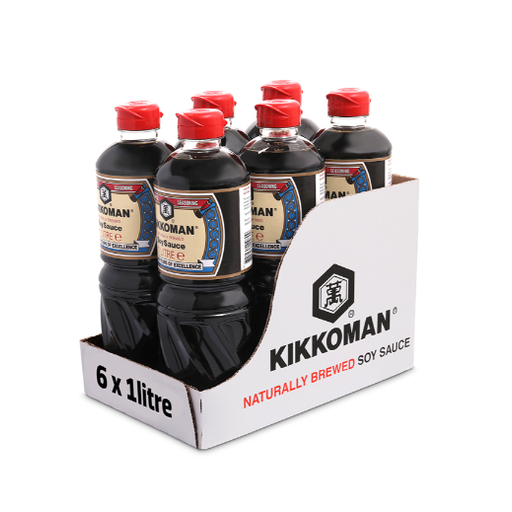
Why This Fits Their Persona: For anyone who cooks Asian cooking sauces regularly, buying in bulk is the most economical choice. This multi-pack of 1-litre bottles ensures you never run out of a high-quality, all-purpose soy sauce, the cornerstone of many Asian cuisines.
This avoids the "Price vs. Purpose" trap. Instead of buying tiny, overpriced bottles, this bulk option provides a superior, naturally brewed product at a much better price per millilitre. It's the smart way to stock a key pantry staple.
Made with only four pure ingredients and no artificial additives. The natural brewing process delivers a rich, complex umami flavour that enhances everything from stir-fries to marinades.
We have compiled a complete, real-time list of products that fully satisfy these strict selection criteria and UK safety regulations.
This is a common point of confusion in Chinese cooking. Light soy sauce (or regular soy sauce, like Kikkoman) is thinner and saltier, used for seasoning and dipping to add umami without adding much colour. Dark soy sauce is aged longer with molasses or caramel, making it thicker, darker and less salty but with a richer, sweeter flavour. It is used primarily for adding colour and a deep, caramelised flavour to dishes like braised meats. You generally need both in a well-stocked pantry.
This varies by type. High-salt sauces like soy sauce can last for many months in a cool, dark cupboard. Sauces containing more fresh ingredients, oils or lower preservatives, such as curry pastes or some peanut sauces, should be refrigerated after opening and typically used within a few weeks to a month. Always check the label for specific storage instructions.
Many are, but you must check the ingredients carefully. Soy sauce, many chilli oils and some curry pastes are naturally plant-based. However, be watchful for hidden animal products. Oyster sauce (contains oysters), fish sauce (contains fish) and many Thai curry pastes (contain shrimp paste) are common non-vegan ingredients. Thankfully, excellent plant-based alternatives, such as vegan sauces like vegetarian 'oyster' sauce or vegan 'fish' sauce, are now widely available and deliver a very similar flavour profile.