
24/7 Customer Support

Free returns

Same-day & Next-day Delivery

Quality Guaranteed

Unlock Your Welcome Offers: FREE Delivery | Up to 80% OFF | Free 30-day JoyPlus trial
Download the APP
As a nation of food lovers, our culinary curiosity is always expanding. From the fiery kitchens of Sichuan to the vibrant street food stalls of Mexico, bringing these tastes home has never been more popular. Yet, navigating the world of imported ingredients can be tricky. Many UK shoppers find themselves disappointed with products that promise authenticity but deliver a muted, generic taste.
As the Joybuy Product Recommendation Officer, my role is to help you sidestep these common issues. Before you fill your basket, let's look at the frequent pitfalls that can lead to a pantry full of underwhelming ingredients and wasted money.
To ensure you're getting genuine value and flavour, focus on a few key details. These non-negotiable checks will help you build a reliable collection of food cupboard essentials.
The most reliable indicator of authenticity is often the country of origin combined with the ingredient list. For speciality cooking ingredients, look for products made in their native region. For example, a true Zhenjiang vinegar will be a "Protected Geographical Indication" (PGI) product from China.
When reading the ingredients:
Not all ingredients are interchangeable. Using the wrong one can dramatically alter your dish.
Knowing the intended role of each product ensures you're building a versatile and functional pantry.

Why This Fits Their Persona: For the cook dedicated to recreating authentic Chinese dishes, this vinegar is a cornerstone ingredient. It's essential for making dipping sauces for dumplings, dressing cold appetisers and adding complexity to braised meats.
This is a Protected Geographical Indication (PGI) product, meaning its origin and production method are guaranteed. It avoids the "authentic style" trap by being the genuine article, not a generic black vinegar.
Made from glutinous rice using traditional fermentation, it has a complex, mellow and aromatic flavour that is far superior to standard vinegars.
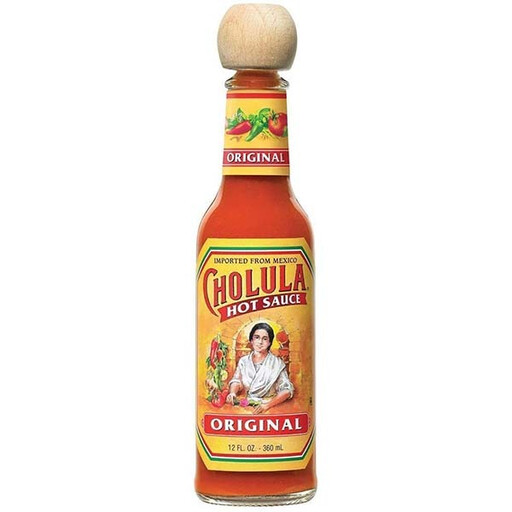
Why This Fits Their Persona: This is the perfect all-rounder for someone who hosts often. It adds a flavourful, mild kick to everything from brunch eggs and tacos to soups and even as one of the **cocktail mixers** in a Bloody Mary. It's a crowd-pleaser.
Unlike many hot sauces that focus only on extreme heat, Cholula prioritises flavour. The ingredients list features arbol and piquin peppers prominently, ensuring a genuine pepper taste rather than just vinegar and heat.
Its balanced flavour profile enhances food without overpowering it. The iconic wooden cap and bottle also look great on any dining table.
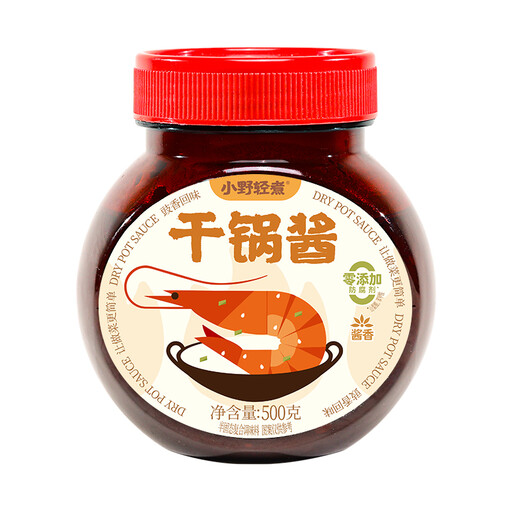
Why This Fits Their Persona: For those craving the specific, savoury and numbing flavour of a Sichuan dry pot (麻辣香锅), this sauce base is the key. It's not a generic stir-fry sauce; it's formulated for one beloved dish, perfect for an expat or foodie chasing a particular taste of home.
This product avoids the vague ingredient trap by explicitly stating it contains 10% **Pixian Doubanjiang** and other key spices like Sichuan peppercorns. This transparency guarantees the authentic, complex flavour required for a proper dry pot.
It's a multi-use base that works for hot pot, stir-frying and braising. The large 500g can offers good value for family cooking or multiple meals.
We have compiled a complete, real-time list of products that fully satisfy these strict selection criteria and UK safety regulations.
This depends on the ingredients. High-salt or high-acidity products like soy sauce and vinegar can last for many months when stored in the fridge. Sauces containing oils, dairy or fresh ingredients, such as oyster sauce or some chilli sauces, have a shorter shelf life and should typically be consumed within 1-2 months of opening. Always check the packaging for specific storage instructions, use a clean utensil for every serving and keep refrigerated after opening.
While both are rice-based wines used in cooking, they have distinct profiles. Chinese cooking wine, such as Shaoxing wine, is salted (making it undrinkable) and has a stronger, more aromatic flavour. It is excellent for braising rich meats and removing any gamey tastes. Japanese cooking sake is generally unsalted, milder, and slightly sweeter. It is used to add a delicate umami flavour, tenderise meat and fish and as a base for sauces like teriyaki.
You can, but it will noticeably change the final taste of your dish. Speciality cooking wine and vinegar products like Zhenjiang aromatic vinegar are less acidic and have a much more complex, mellow and sometimes slightly sweet flavour profile compared to standard malt or white wine vinegar. For recipes where the vinegar is a key flavour component, such as in a dipping sauce or a cold noodle salad, using the correct type is highly recommended for an authentic result.