
24/7 Customer Support

Free returns

Same-day & Next-day Delivery

Quality Guaranteed

Unlock Your Welcome Offers: FREE Delivery | Up to 80% OFF | Free 30-day JoyPlus trial
Download the APP
Trying to make Thai food at home can be a frustrating experience. You follow a recipe, hoping for that vibrant, complex flavour you remember from your favourite restaurant, only to end up with a dish that’s disappointingly flat or one-dimensionally sweet. The culprit is often the cornerstone of the dish: the Thai cooking paste.
Many products on the market promise an authentic taste but fall short. As a Joybuy Product Recommendation Officer, my role is to help you see past the marketing and identify the products that deliver genuine flavour. Before you buy another jar, be aware of these common pitfalls that lead to disappointing home-cooked Thai meals.
To make Thai food at home that truly sings, you need to start with the right foundation. Forget the flashy labels and focus on these two core parameters when selecting your paste.
The ingredients list is your most reliable guide to quality. For an authentic paste, you should see key Thai aromatics listed near the top.
Understanding the format of the product is crucial for getting the results you want.
We've filtered through the options to match different cooking styles and needs. Here are our recommendations based on their formulation and suitability for UK home cooks.
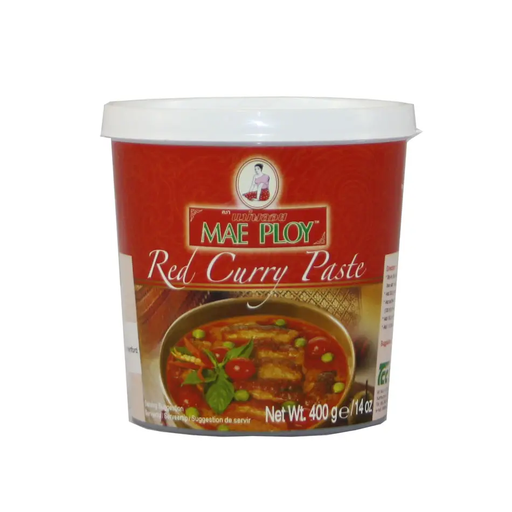
Why This Fits Their Persona: This user needs a reliable, versatile and economical option for making multiple family meals. This large, resealable tub provides a consistent and authentic flavour base for classic red curries with chicken, beef or vegetables.
It avoids the "all-in-one" flavour trap by listing authentic ingredients like dried red chilli, lemongrass, shallot and galangal high on the list. It is a concentrated paste, not a diluted sauce.
Excellent value for money and versatility. The resealable tub is practical for regular use and maintains freshness.
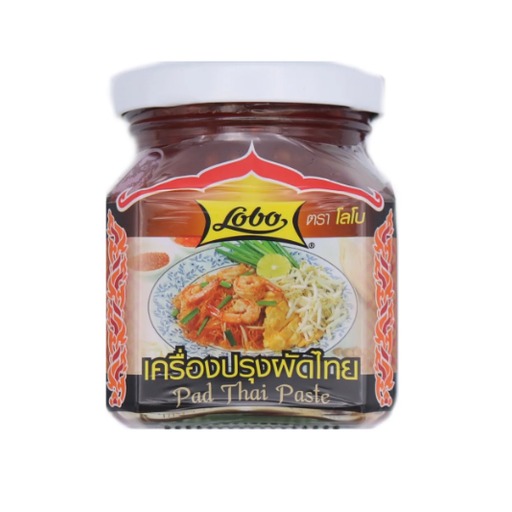
Why This Fits Their Persona: This cook wants to perfect Pad Thai without the hassle of sourcing and balancing tamarind, fish sauce and palm sugar. This dedicated paste provides the specific flavour profile needed for restaurant-quality Pad Thai at home.
This is not a generic "stir-fry" sauce. It is specifically formulated with tamarind paste and fish sauce to create the signature sweet, sour and savoury balance of an authentic Pad Thai, avoiding one-dimensional flavour.
Delivers the correct flavour balance for Pad Thai with minimal effort. It saves you from buying multiple, separate ingredients for a single dish.
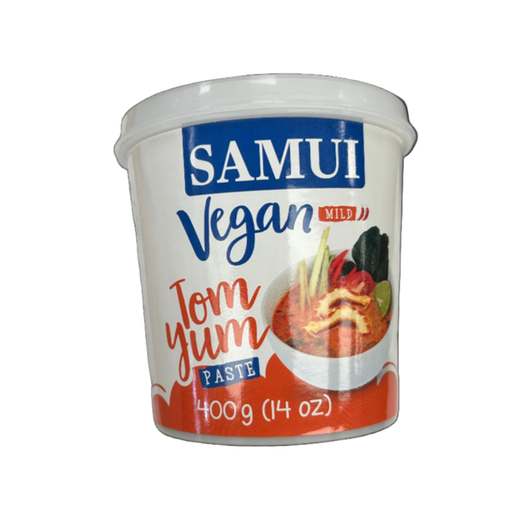
Why This Fits Their Persona: This user wants the classic hot, sour and aromatic flavour of Tom Yum soup without any animal products. This paste is explicitly vegan, making it a safe and reliable choice for plant-based cooking.
It avoids the hidden ingredient compromise by being transparently vegan. It builds flavour from lemongrass, galangal and spices, rather than trying to imitate shrimp paste with salt and artificial flavourings.
Delivers the signature hot and sour Tom Yum flavour profile without any animal-derived ingredients. Ideal for making soups with tofu and mushrooms.
We have compiled a complete, real-time list of products that fully satisfy these strict selection criteria and UK safety regulations.
Most concentrated pastes sold in tubs or jars are preserved with salt and oil and can last for several weeks, or even a couple of months, when stored correctly. Always use a clean, dry spoon to scoop out the paste to avoid introducing moisture or bacteria. Seal the container tightly and keep it refrigerated. Pastes in single-use sachets should be used immediately after opening. Always refer to the storage instructions on the packaging for specific guidance.
Yes, a paste is a flavour base, not a complete sauce. To make a curry, you will need to fry the paste and then add a liquid, most commonly coconut milk or stock. You will also add your choice of protein and vegetables. At the end of cooking, it's common practice to adjust the final seasoning to your personal taste with a splash of fish sauce (for saltiness), a pinch of palm sugar (for sweetness) or a squeeze of fresh lime juice (for acidity).
While you can technically substitute them, the resulting dish will have a very different character. They are not interchangeable if you are aiming for a specific, authentic taste. Red curry paste is made from dried red chillies and has a deep, rich and robust flavour. Green curry paste is made from fresh green chillies, giving it a brighter, more fragrant and herbaceous profile. Using one in place of the other will significantly change the colour, aroma and taste of your meal.